.svg)
 Countries we relocate to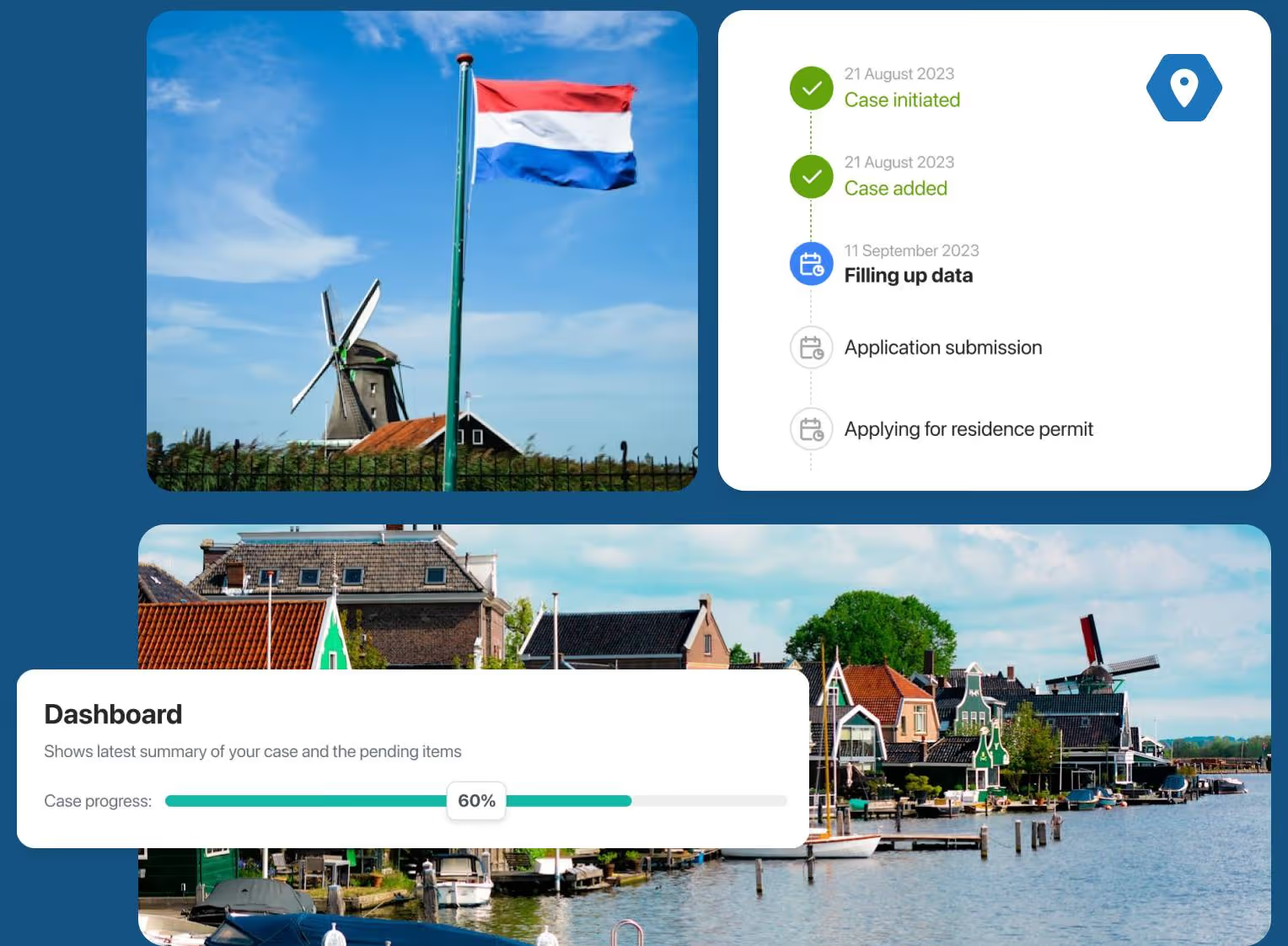






.svg)



Thank you! Your submission has been received!
Oops! Something went wrong while submitting the form.
.svg)
Explore this topic with AI
2x Faster. 3x Cheaper. 5x Better



.svg)




Get in touch with us
Thank you for reaching to us!
We will get back to you with more information and the meeting details very soon.

Oops! Something went wrong while submitting the form.
By registering, you confirm that you have read, understood, and agree to the processing of your personal data as described in our Privacy Notice.
Meet Our Immigration and Relocation Consultants Team



Loved by thousands of teams
See what our customers have to say about the experience
View all reviews

Julia
Global Mobility Manager
"Jobbatical helped us relocate an entire team from India to Milan without a hitch. Their coordination with local authorities and attention to detail saved us weeks of admin work. Couldn't have done it without them!"

Greg
Founder
"Relocating our new team member from Brazil felt effortless. From visas to Anmeldung, Jobbatical made sure every step was covered. Total peace of mind."

Anna
Head of People
"Jobbatical has transformed how we manage international hiring. Their relocation support is seamless — we just focus on hiring the best, and they handle the rest."

Marko
CEO
"Before Jobbatical, we struggled with immigration delays. Now, our global hires are set up and working in Germany faster than ever — it's a game changer for our growth."
Check related blogs for Netherlands

No items found.
More calculators are about to come
.svg)