.svg)


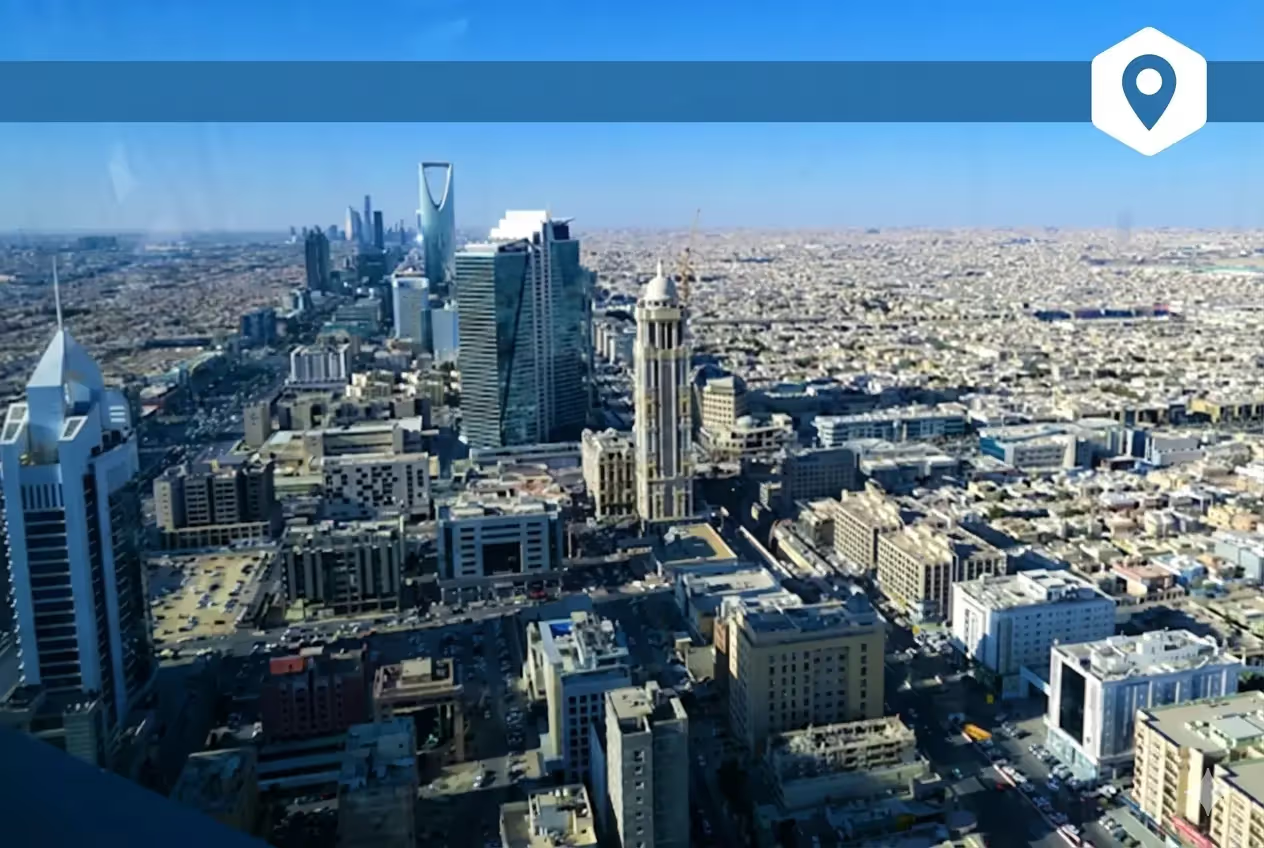
Synopsis Saudi Arabia Vision 2030 Mega projects :
- Vision 2030 megaprojects require strategic visa selection based on project timelines, engineering role classifications, and sponsor entity structures, with Employment Visas serving as the primary pathway for most technical roles.
- Large-scale engineering recruitment demands 12-24 week timeline planning including educational attestation, medical examinations, and phased batch processing to mobilize teams of 50-500 engineers efficiently.
- Sector-specific visa strategies differ significantly across construction (NEOM, Red Sea), energy (renewable projects), technology (smart cities), and tourism infrastructure, requiring tailored approaches for each Vision 2030 domain.
- Compliance with Nitaqat Saudization requirements, professional liability insurance, and sponsor entity verification forms the foundation of successful visa programs for international engineering teams.
- Total per-engineer visa costs range from SR5,250-8,650 for standard Employment Visas, with scaled programs benefiting from bulk processing arrangements and technology automation reducing administrative burdens by 30-40%.
Vision 2030 Projects: Essential Visa Guide for Engineers & Technical Talent in Saudi Arabia
Saudi Arabia's Vision 2030 initiative represents one of the most ambitious national transformation programs globally, with over $1 trillion invested in megaprojects spanning infrastructure, renewable energy, tourism, and technology. For HR teams and global mobility professionals, recruiting qualified engineers and technical specialists for these projects presents unique immigration challenges that require strategic planning and specialized knowledge.
This guide provides actionable insights for talent acquisition teams navigating visa pathways specifically for technical professionals supporting Vision 2030 megaprojects including NEOM, Red Sea Project, Qiddiya, and dozens of infrastructure developments reshaping Saudi Arabia's economy.
Understanding Vision 2030's Technical Talent Demands
Vision 2030 megaprojects require an unprecedented influx of specialized engineering talent across multiple disciplines. The initiative encompasses over 60 major projects, creating demand for approximately 450,000 technical positions through 2030, according to Saudi Ministry of Economy and Planning estimates.
Key sectors driving technical recruitment:- Civil and structural engineering for infrastructure development- Electrical and mechanical engineering for smart city systems- Software and systems engineering for digital transformation- Renewable energy specialists for solar and wind projects- Construction management and project engineering- Environmental and sustainability engineers
The challenge for HR teams lies not just in identifying qualified candidates but understanding which visa pathways align with project timelines, contract structures, and workforce planning requirements.
Primary Visa Pathways for Project-Based Technical Talent
Work Residence Permit (Iqama) for Long-Term Project Assignments
For engineers and technicians engaged in multi-year Vision 2030 projects, the Work Residence Permit (Iqama) represents the standard authorization pathway. This visa category suits full-time employment relationships where technical professionals will remain on Saudi soil for extended periods.
Ideal for:- Project engineers assigned to multi-phase developments (2-5 years)- Site supervisors and construction managers- Technical leads for infrastructure installations- Engineering managers overseeing sustained operations
Key requirements for technical professionals:- University degree verification (bachelor's minimum for engineers)- Minimum 2 years relevant experience for mid-level positions- Professional certifications relevant to engineering discipline- Medical fitness certificate and security clearance- Employer sponsorship from Saudi-registered entity
Processing timelines typically range from 6-10 weeks, making advance workforce planning critical for project kickoff schedules. HR teams should initiate visa processes 3-4 months before required on-site dates.
Temporary Work Visa for Short-Term Technical Deployments
Short-term technical assignments—including commissioning work, specialized installations, or consulting engagements—may qualify for temporary work authorization, though recent regulatory changes have narrowed this pathway's availability.
Best suited for:- Equipment installation specialists (2-6 months)- Commissioning engineers for specific systems- Technical consultants for project phases- Specialized technicians for training deployments
Critical considerations: Saudi Arabia suspended certain temporary work visa categories in 2023-2024 for specific sectors. HR teams should verify current eligibility for their technical discipline before planning short-term deployments. The temporary pathway now requires stronger justification for why work cannot be performed by Saudi nationals or Iqama holders.
Premium Residency for Elite Technical Talent
Saudi Arabia's Premium Residency program offers an alternative pathway for exceptionally qualified technical professionals, particularly those in emerging technology sectors aligned with Vision 2030 priorities.
Target candidates:- Senior engineering executives with international megaproject experience- Specialized technical experts in AI, robotics, or renewable energy- Patent-holding engineers or recognized industry innovators- Technical directors for flagship Vision 2030 initiatives
This program provides 1-year renewable residence independent of employer sponsorship, offering flexibility for consultants or technical advisors working across multiple projects. The investment requirement (approximately $213,000) or demonstrated exceptional expertise makes this pathway selective but valuable for strategic technical hires.
How to compare Iqama, Premium Residency and Dependent Visas?
Sector-Specific Visa Considerations for Vision 2030 Projects
Infrastructure and Construction Engineering
Civil engineers, structural specialists, and construction managers face specific documentation requirements tied to Saudi Arabia's focus on localization and knowledge transfer.
Additional requirements:- Saudi Council of Engineers registration for certain senior roles- Professional liability insurance documentation- Safety certification aligned with Saudi Building Code- Experience documentation on comparable-scale projects
For large infrastructure projects employing 50+ technical staff, employers may need to demonstrate Saudization compliance plans showing how expatriate engineers will train Saudi nationals, affecting visa quota allocations.
Renewable Energy and Sustainability Specialists
Vision 2030's renewable energy targets (50% renewable generation by 2030) create strong demand for solar, wind, and green hydrogen specialists. The Ministry of Energy prioritizes visa processing for these roles.
Favorable factors:- Expedited processing for roles supporting PIF renewable projects- Higher quota flexibility for specialized renewable energy positions- Pathway consideration for candidates with LEED, BREEAM, or ISO certifications- Premium processing available for senior sustainability engineers
Digital Infrastructure and Smart City Technology
NEOM and smart city initiatives require software engineers, systems architects, and IoT specialists. These roles often qualify for streamlined processing under Saudi Arabia's digital transformation priorities.
Visa pathway advantages:- Tech sector receives priority under Vision 2030 strategic goals- Startup visa options for technical founders in Saudi tech hubs- Flexibility for remote-hybrid arrangements with periodic in-Kingdom presence- Freelancer permit eligibility for specialized digital consultants
Strategic Hiring and Visa Planning for Project Timelines
Vision 2030 megaprojects operate on aggressive timelines with penalties for delays. HR teams must align visa strategies with project milestones.
Phase-Based Workforce Planning
Pre-construction phase (Months 1-6):- Initiate Iqama processing for core engineering leadership- Secure project management and design team authorizations- Plan for 3-4 month visa processing buffers- Consider premium processing for critical roles
Construction phase (Months 6-24):- Scale technical workforce with staggered Iqama applications- Deploy temporary authorizations for specialized installations- Monitor quota utilization against hiring forecasts- Maintain 2-month processing pipeline for replacement hires
Commissioning phase (Months 24-30):- Transition from construction to operations technical teams- Plan visa conversions or terminations for phase-out staff- Bring specialized commissioning engineers via temporary pathways- Ensure continuity for ongoing operations personnel
Managing Multi-National Technical Teams
Vision 2030 projects typically employ engineering talent from 15-30 nationalities. Visa processing timelines and requirements vary significantly by passport.
Processing time variations by common source countries:- Western Europe/North America: 6-8 weeks standard- India/Pakistan: 8-12 weeks with additional security clearances- Philippines: 6-10 weeks (high volume processing)- African nations: 10-14 weeks with enhanced documentation
HR teams should build nationality-specific timelines into project resource planning to avoid bottlenecks.
Compliance and Risk Management for Technical Hiring
Professional Licensing and Credential Verification
Saudi regulatory bodies require verification of engineering credentials, particularly for roles with public safety implications.
Required verification processes:- Educational credential authentication through Saudi Cultural Mission- Professional engineering license validation from home country- Saudi Council of Engineers registration (role-dependent)- Technical certifications verified through issuing bodies
Processing credential verifications adds 4-8 weeks to overall timelines. Jobbatical's immigration platform automates credential tracking and proactive documentation gathering to minimize delays.
Saudization Quotas and Technical Exemptions
Vision 2030 projects must balance expatriate technical expertise with Saudi Arabia's 30% Saudization targets. However, specialized technical roles often qualify for exemptions.
Exemption eligibility factors:- Roles requiring internationally scarce specializations- Positions supporting strategic national projects (Vision 2030 designated)- Technical knowledge transfer components with training plans- Time-limited assignments with defined skill transfer objectives
Documentation of skills gap justification strengthens exemption applications and accelerates approvals.
Cost Considerations for Vision 2030 Technical Hiring
Visa and immigration costs for technical professionals vary based on visa type, nationality, and processing speed.
For projects hiring 100+ technical staff, immigration costs represent 2-4% of total compensation packages. Premium processing options adding 30-50% to base costs can be cost-effective when delays risk project penalties.
Leveraging Technology for Streamlined Technical Hiring
Managing visa processes for large technical teams requires systematic tracking and automation. Jobbatical's platform provides end-to-end visibility across all relocations with:
- Automated eligibility assessments for engineering roles- Document management with credential verification tracking- Deadline monitoring aligned to project milestones- Compliance dashboards for Saudization tracking- Multi-project workforce planning tools
For Vision 2030 contractors managing 50-500 technical relocations annually, platform-based immigration management reduces processing times by 25-40% while ensuring regulatory compliance.
Operational Execution: Timelines and Recruitment Roadmaps
The recruitment of international engineering talent into the Saudi market is a multi-step process where timing is as critical as technical competence. The average timeline from job offer to arrival spans several weeks, but delays are common due to the rigorous document attestation requirements.
Step-by-Step Recruitment Timeline
Conclusion: Strategic Immigration Planning for Vision 2030 Success
Successfully staffing Vision 2030 megaprojects with qualified engineers and technical specialists requires immigration strategies that align with project timelines, regulatory requirements, and workforce localization goals.
HR teams should:
1. Begin visa processing 3-4 months before required on-site dates
2. Build nationality-specific timelines into resource planning
3. Leverage exemptions for specialized technical roles
4. Implement technology platforms for multi-project visibility
5. Partner with immigration specialists experienced in Saudi technical hiring
Disclaimer
Immigration laws and policies change frequently and may vary by country or nationality. While we strive to provide accurate and up-to-date information, we recommend doing your own due diligence or consulting official sources. You’re also welcome to contact us directly for the latest guidance. Jobbatical is not responsible for decisions made based on the information provided.
Immigration rules change often—please verify with official sources or contact us for the latest info.
Frequently Asked Questions About Saudi Vision 2030 Visas for Engineers and Technicians
What is the typical timeline for securing work authorization for engineers on Vision 2030 projects?
Standard Work Residence Permit (Iqama) processing takes 6–10 weeks from submission. HR teams should plan 3–4 months total lead time including credential verification, document gathering, and potential delays. Premium processing can reduce timelines by 30–40%.
Do specialized technical roles for megaprojects qualify for Saudization exemptions?
Yes. Vision 2030 technical roles may qualify when employers document skills gaps and knowledge transfer plans. Exemptions require role-specific justification and approval.
Can short-term visas be used for commissioning engineers on 3–6 month assignments?
Short-term deployments face tighter restrictions after 2023–2024 changes. While possible for specialized commissioning work, employers must justify why local resources cannot perform the work. Work Residence Permits are now preferred even for 6-month assignments.
What professional certifications or licenses do engineers need for Saudi Arabia?
Requirements vary by discipline. All engineers need degree verification via the Saudi Cultural Mission. Some senior roles require Saudi Council of Engineers registration, and sector-specific certifications may be mandatory for regulated roles.
How do visa costs impact budget planning for large-scale technical hiring?
First-year immigration costs range from $2,750–3,850 per engineer. For large hiring volumes, total costs scale significantly. Premium processing adds 30–50% but may reduce project delay risks.
Can technical consultants work across multiple Vision 2030 projects?
Standard Iqamas are tied to one employer, limiting multi-project work. Premium Residency allows employer-independent authorization, while alternative structures may route work through a single sponsoring employer.
What happens to engineer work permits when project phases end?
Iqama validity is tied to employment and sponsorship. When phases end, permits must be transferred, converted, or cancelled. Planning should begin 60–90 days before phase completion.

.svg)
.svg)