
KEY TAKEAWAYS
- Citizenship removes the two-year absence trap that can void an employee's ILR during long overseas assignments.
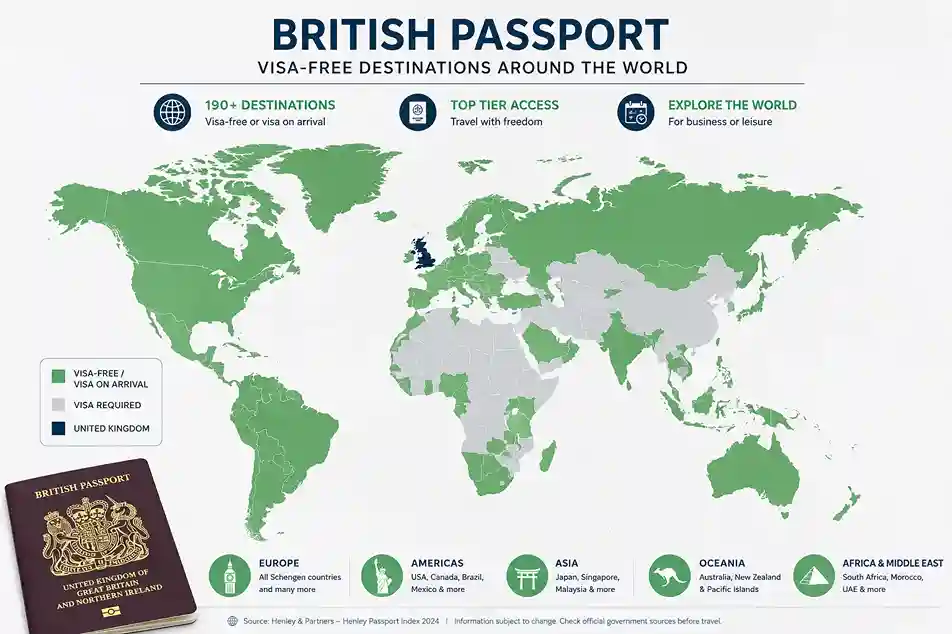
- A British passport gives visa-free access to 190+ destinations, cutting travel friction for global roles.
- The ILR-to-citizenship window is your highest-risk retention moment, since sponsorship no longer holds anyone.
- Employers can support naturalisation by funding the £1,839 application, offering legal help, and protecting absence records.
- Right-to-work checks change format at citizenship but your core compliance burden does not shrink further.
Understanding Indefinite Leave to Remain (ILR) and British citizenship
The main difference between Indefinite Leave to Remain (ILR) and British citizenship is residence versus nationality. ILR, or settled status, allows employees to live and work in the UK permanently without visa sponsorship. British citizenship through naturalisation provides a UK passport, voting rights, and a status that never expires. Employees typically qualify for citizenship 12 months after securing ILR.
For UK employers, HR, and global mobility teams, understanding ILR vs British citizenship is vital. While your sponsorship duties end with ILR, supporting an employee's transition to full citizenship offers significant business advantages.
┈┈┈┈┈┈┈┈┈┈┈┈┈┈┈┈┈┈┈┈┈┈┈┈┈┈┈┈┈┈┈┈┈┈┈┈┈┈┈┈┈┈┈┈┈┈┈
Why British Citizenship matters for UK employers:
- Assignment protection: Citizenship removes the absence risk that can quietly void an employee's ILR during long overseas work.
- Travel agility: A British passport cuts visa friction for the client trips and crisis travel your business depends on.
- Retention leverage: The ILR-to-citizenship window is exactly when your best sponsored talent becomes free to leave.
- Low compliance change: Your right-to-work burden does not shrink much further, but the check mechanics differ.
┈┈┈┈┈┈┈┈┈┈┈┈┈┈┈┈┈┈┈┈┈┈┈┈┈┈┈┈┈┈┈┈┈┈┈┈┈┈┈┈┈┈┈┈┈┈┈
ILR vs British Citizenship: What Actually Changes
Understanding the differences between ILR and British citizenship helps UK employers manage global mobility and right-to-work compliance.
From a pure right-to-work standpoint, citizenship changes little day to day. Both ILR holders and British citizens have unrestricted permission to work in the UK. The meaningful differences are subtle, and they matter most for mobile talent.
Key differences for HR teams:
- Right to work: Both statuses provide unrestricted working rights without ongoing visa sponsorship.
- Absence risk: Employees lose ILR after two continuous years outside the UK, while British citizenship is permanent.
- Passports: ILR holders retain their original nationality, while British citizens get a UK passport for simpler business travel.
- Right-to-work checks: HR checks ILR via the online share code system, while British citizens use an identity document validation technology check with their UK passport.
The two-year absence rule is the most common compliance trap for global mobility teams planning long-term overseas assignments.The table below sums up the distinctions your team should plan around. For the settlement step that comes first, see our UK Indefinite Leave to Remain service.
ILR vs British Citizenship: Key Employer Differences
In practice, the two-year absence rule is the one most HR teams miss. It only surfaces when you are about to send someone abroad, which is the worst possible time to discover it.
┈┈┈┈┈┈┈┈┈┈┈┈┈┈┈┈┈┈┈┈┈┈┈┈┈┈┈┈┈┈┈┈┈┈┈┈┈┈┈┈┈┈┈┈┈┈┈
ILR Benefits vs British Citizenship Benefits: What Employees Gain at Each Stage
Employees will ask HR whether citizenship is worth another £1,839 when ILR already feels permanent.
How to answer this? The benefits of ILR cover almost everything day-to-day, but the benefits of British citizenship are about resilience a status that cannot be lost by spending time abroad.
Why it is important for employer, not just the employee:
- Benefits of ILR for your workforce: The compliance burden drops to near zero, the Immigration Skills Charge disappears, and employees can take any role at any salary, ending visa dependency. For workforce planning, ILR is the milestone that ends visa dependency our HR guide to supporting employees ILR journey covers the run-up to that milestone.
- Advantages of British citizenship for mobile roles: The two-year lapse rule makes ILR fragile for long international assignments. Citizenship removes this constraint entirely, protecting global mobility between international offices.
- Benefits of a UK passport operationally: Visa-free travel to over 180 destinations simplifies short-notice business travel, and the employee completely exits the ETA and visa systems at the UK border.
- Changing settlement timelines: Under new earned settlement reforms, the standard ILR qualifying period is shifting from 5 to 10 years. Employees who already hold ILR are stable but highly poachable because they are closest to full independence.
- Common ILR misconception: There is no official indefinite leave to remain passport. ILR grants permanent residence rather than British nationality, meaning employees keep their existing passport and their UK status lives digitally in their UKVI account.
┈┈┈┈┈┈┈┈┈┈┈┈┈┈┈┈┈┈┈┈┈┈┈┈┈┈┈┈┈┈┈┈┈┈┈┈┈┈┈┈┈┈┈┈┈┈┈
The ILR 2-Year Absence Rule for Long Assignments : Impact on UK Employers
Employees with Indefinite Leave to Remain (ILR) lose their settled status if they stay outside the UK for two continuous years. For UK employers, sending talent on long overseas secondments can unintentionally revoke their UK residency.
- The risk: Multi-year international projects, global mobility transfers, and overseas office launches.
- The hidden cost: Employees return from foreign assignments to find their ILR lapsed and UK re-entry uncertain.
- The permanent fix: Encourage switching from ILR to British citizenship before long deployments to secure their indefinite right to return.
- The planning point: Review ILR vs British citizenship timelines during early mobility planning, not right before relocation.
Build this immigration check into your standard HR assignment planning before employees prepare to move. For practical travel details, review our guide on dual British nationals and boarding rules.
┈┈┈┈┈┈┈┈┈┈┈┈┈┈┈┈┈┈┈┈┈┈┈┈┈┈┈┈┈┈┈┈┈┈┈┈┈┈┈┈┈┈┈┈┈┈┈
Solving Global Business Travel Delays
International employees with Indefinite Leave to Remain (ILR) often hold passports that require visas for global travel, which delays urgent trips. Transitioning from ILR to British citizenship provides a UK passport with visa-free access to over 190 destinations, instantly improving your global workforce mobility.
- The problem: Visa processing delays for international workers hinder urgent client meetings and business travel.
- The business impact: Missed international pitches and delayed crisis responses create direct commercial losses.
- The citizenship benefit: A British passport eliminates business visa requirements for most major destinations.
- The team advantage: Key talent can travel on short notice without the friction of visa lead times.
┈┈┈┈┈┈┈┈┈┈┈┈┈┈┈┈┈┈┈┈┈┈┈┈┈┈┈┈┈┈┈┈┈┈┈┈┈┈┈┈┈┈┈┈┈┈┈
Using British Citizenship for Employee Retention
Once an employee secures UK ILR, they no longer need Skilled Worker visa sponsorship. This turns them into free agents, creating a high flight risk after years of employer investment. Offering UK citizenship support is a highly effective employee retention strategy.
- The risk window: ILR removes visa dependency, making this the exact moment top international talent might resign.
- The sunk cost: Employers have already invested heavily in UK immigration fees, sponsorship, and training.
- The retention perk: Covering the £1,839 UK citizenship application fee or legal costs builds strong employee loyalty.
- The long-term signal: Funding citizenship applications shows your best international staff they have a permanent future with your company.
To track when staff reach this critical career stage, use our UK ILR eligibility calculator to proactively identify employees approaching settlement.
┈┈┈┈┈┈┈┈┈┈┈┈┈┈┈┈┈┈┈┈┈┈┈┈┈┈┈┈┈┈┈┈┈┈┈┈┈┈┈┈┈┈┈┈┈┈┈
When to Support Employee British Citizenship Applications
Employers do not need to sponsor everyone. Focus your global mobility budget on specific employee profiles where travel freedom, retention, or residency risks matter most.
- Long overseas assignments: Prioritise employees facing extended relocations to prevent them from losing their Indefinite Leave to Remain (ILR) status.
- Frequent business travellers: Target staff on visa-dependent passports who must travel internationally at short notice.
- High-value talent retention: Focus on senior or niche staff who become free agents once they obtain ILR.
- Immediate UK citizenship eligibility: Support employees who have held ILR for 12 months and can apply immediately.
Since the 12-month citizenship clock only starts once ILR is granted, using the ILR priority or super priority service can bring that naturalisation window forward by months.
┈┈┈┈┈┈┈┈┈┈┈┈┈┈┈┈┈┈┈┈┈┈┈┈┈┈┈┈┈┈┈┈┈┈┈┈┈┈┈┈┈┈┈┈┈┈┈
HR Steps to Support the Naturalisation Process
While employers cannot apply on an employee's behalf, HR teams directly influence the success of a British citizenship application through accurate record-keeping and strategic planning.
- Track UK citizenship eligibility: Monitor who has held ILR for 12 months to identify the application window early.
- Manage naturalisation absence limits: Maintain strict travel logs to ensure employees do not exceed the limit of 450 days outside the UK over 5 years, and 90 days in the final year.
- Strategic assignment timing: Schedule overseas deployments carefully so they do not accidentally disqualify employees from naturalisation.
- Cover the British citizenship application fee: Fund the £1,839 fee to transform a significant personal expense into a powerful employee retention perk.
- Provide expert immigration advice: Offer access to regulated immigration advisers to minimise the risk of application refusals.
Accurate travel data is critical. Since you manage international assignments, your data determines whether an employee meets the strict residence test. Use our UK visa renewals and extensions platform to keep your workforce records audit-ready.
┈┈┈┈┈┈┈┈┈┈┈┈┈┈┈┈┈┈┈┈┈┈┈┈┈┈┈┈┈┈┈┈┈┈┈┈┈┈┈┈┈┈┈┈┈┈┈
How Employers Can Help: Steps to Take
You cannot apply on an employee's behalf, but you shape whether the application succeeds. Much of that comes down to records you already hold and support you can choose to offer.
Here is a practical sequence for your HR and mobility team.
Employer Steps to Support Naturalisation
- Identify eligibility: Track who has held ILR for 12 months spots the eligible window early.
- Protect absence records: Keep accurate travel and assignment logs naturalisation caps absences at 450 days over 5 years, 90 in the final year.
- Time assignments: Avoid deployments that breach absence limits prevents you from disqualifying your own employee.
- Offer financial support: Fund the £1,839 fee, fully or partly turns a personal cost into a retention benefit.
- Provide expert help: Give access to regulated immigration advisers cuts refusal risk on good character and residence.
The absence records point is the one you control most directly. Because you manage assignments and travel, your data often decides whether an employee clears the residence test. Our UK visa renewals and extensions support and immigration platform keep those records audit-ready across your workforce.
┈┈┈┈┈┈┈┈┈┈┈┈┈┈┈┈┈┈┈┈┈┈┈┈┈┈┈┈┈┈┈┈┈┈┈┈┈┈┈┈┈┈┈┈┈┈┈
Advantages to Employers When Staff Naturalise
When an employee becomes British, several practical risks and costs reduce and the gains are worth naming to your leadership when you justify a citizenship support budget.
- Assignment freedom: You can deploy the employee abroad for years without risking their UK status.
- Faster mobility: Visa-free travel removes processing delays from urgent business trips.
- Stronger retention: Support at the free-agent moment builds loyalty and lowers replacement cost.
- Simpler right-to-work: A British passport enables a clean IDSP digital check with no expiry to monitor.
- Reduced status admin: No more absence tracking against the two-year lapse rule for that employee.
Want help building this into your global mobility programme? Book a demo and see how Jobbatical tracks settlement and citizenship readiness across your team.
┈┈┈┈┈┈┈┈┈┈┈┈┈┈┈┈┈┈┈┈┈┈┈┈┈┈┈┈┈┈┈┈┈┈┈┈┈┈┈┈┈┈┈┈┈┈┈
Disclaimer: Immigration rules change quite frequently; please verify with official sources or contact us for the latest info before making any decisions.
┈┈┈┈┈┈┈┈┈┈┈┈┈┈┈┈┈┈┈┈┈┈┈┈┈┈┈┈┈┈┈┈┈┈┈┈┈┈┈┈┈┈┈┈┈┈┈
Frequently Asked Questions: ILR vs British Citizenship for Employers
Do employers have right-to-work obligations for British citizens?
Yes, you still run a right-to-work check, but citizens with a valid British passport can be checked through a certified Identity Service Provider rather than the share-code route used for status holders. Once an employee holds ILR, sponsorship duties already ended, so citizenship adds little further compliance weight.
When can an employee apply for British citizenship after ILR?
Most employees must wait 12 months after ILR is granted before applying through naturalisation. The clock starts from the grant date, not the application date. Employees married to a British citizen can usually apply immediately after ILR, on a three-year residence route instead of five.
How much does British citizenship cost in 2026?
From 8 April 2026 the adult naturalisation fee is £1,709 plus a £130 ceremony fee, giving a total of £1,839. Add the Life in the UK test at £50 and, if needed, a B1 English test around £150. Some employers cover part or all of this as a milestone perk.
Can an employee lose ILR while on an overseas assignment?
Yes. ILR lapses if the holder spends more than two continuous years outside the UK. That is a real risk for long secondments or global office launches. British citizenship removes this risk entirely, so it matters before you deploy key talent abroad for extended periods.
Does the UK allow dual citizenship?
Yes. The UK permits dual nationality, so most employees do not need to give up their existing passport to become British. This lowers the personal hesitation many employees feel and makes it easier for you to position citizenship support as a genuine benefit rather than a trade-off.
How long does naturalisation take to process?
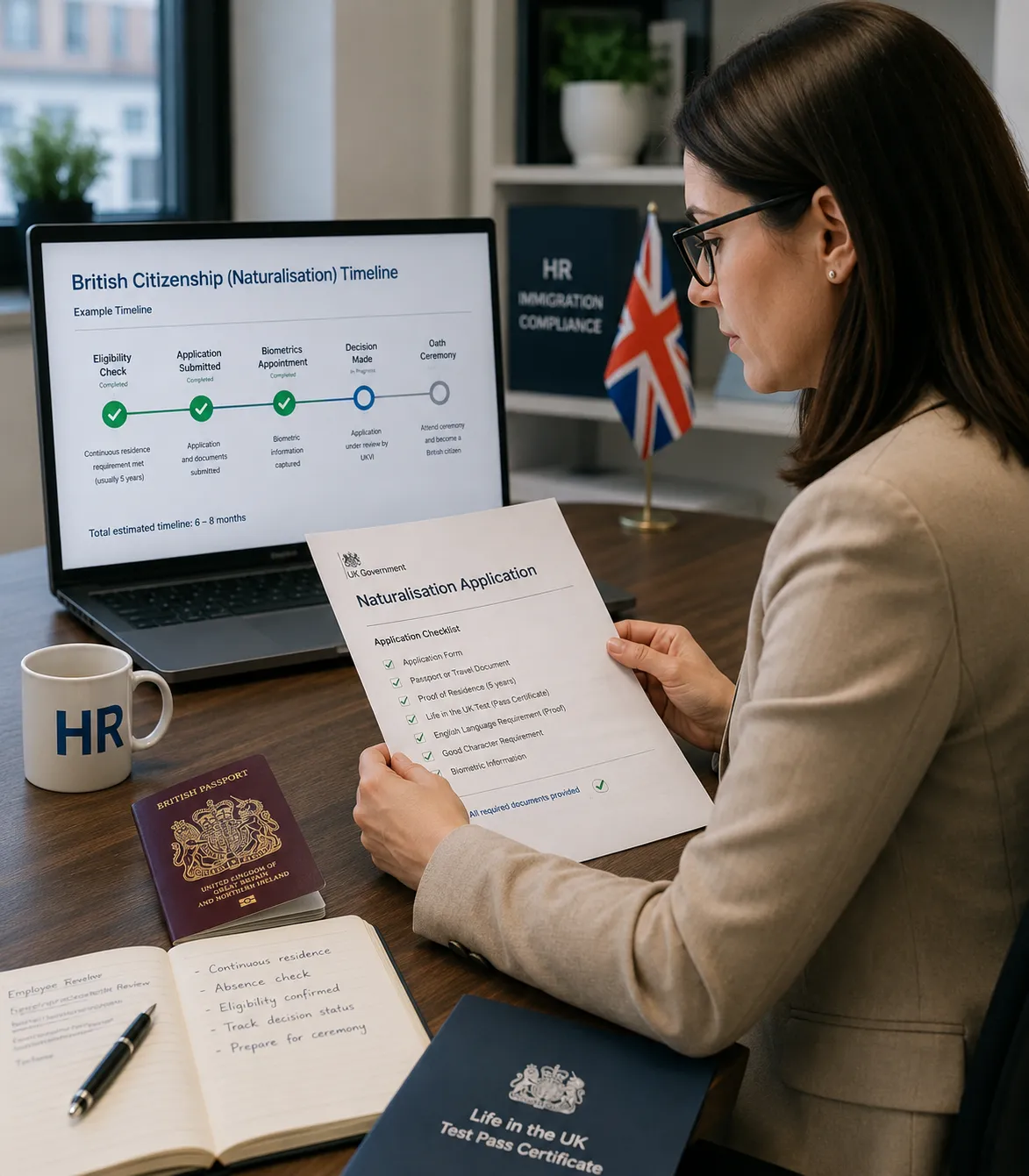
The Home Office aims to decide most naturalisation applications within six months, though some take longer. After approval, the employee books a citizenship ceremony that must happen within three months. Build this timeline into any assignment or travel planning that depends on citizenship being finalised.
Should we fund an employee's citizenship application?
There is no legal duty to, but it is a strong retention lever at the exact point sponsorship stops binding the employee. For talent you have already invested years in sponsoring, funding the £1,839 fee or covering legal support is a low-cost way to protect that investment.

.svg)
.svg)