

KEY TAKEAWAYS
- The Home Office splits sponsor licences into two categories: Worker (long-term) and Temporary Worker (short-term). You can hold both.
- Choose a Worker licence for permanent, graduate-level roles that need Skilled Worker sponsorship and a route to settlement.
- Choose a Temporary Worker licence for seasonal, creative, charity or exchange roles with a fixed end date and no settlement path.
- A Skilled Worker CoS costs £525; a Temporary Worker CoS costs £55.
- The Immigration Skills Charge (£480–£1,320 per year) applies only to Worker routes.Pick the licence by workforce plan, not by which is cheaper.
- The wrong choice means no valid visa and a fresh application.
- Jobbatical team specialises in CoS and Skilled worker Visa applications and Home office communication. Contact today for a free consultation.
Choosing the wrong UK sponsor licence stops international hiring immediately. The licence type determines which visas you can issue, employment length, and permanent settlement rights. Apply for the wrong category, and the Home Office will reject your candidate's visa.
┈┈┈┈┈┈┈┈┈┈┈┈┈┈┈┈┈┈┈┈┈┈┈┈┈┈┈┈┈┈┈┈┈┈┈┈┈┈┈┈┈┈┈┈┈┈┈
Overview of UK Sponsor Licence Types
A UK sponsor licence is official Home Office permission to hire international workers. It allows your business to issue a Certificate of Sponsorship (CoS), which candidates must have to apply for a UK work visa.
The Home Office splits sponsor licences into two main routes:
- Worker licence: Used for long-term or permanent hiring, covering routes like the Skilled Worker visa, Health and Care Worker visa, and Senior or Specialist Worker visa.
- Temporary Worker licence: Used for short-term, seasonal, or project-specific roles that do not lead to permanent residency.
┈┈┈┈┈┈┈┈┈┈┈┈┈┈┈┈┈┈┈┈┈┈┈┈┈┈┈┈┈┈┈┈┈┈┈┈┈┈┈┈┈┈┈┈┈┈┈
How to Sponsor Overseas Workers UK
To sponsor international staff, employers must follow this four-step process:
- Apply: Submit your application for the specific licence category through the online system.
- Approve: Receive approval from the Home Office to join the UK register of licensed sponsors.
- Assign: Issue a Certificate of Sponsorship (CoS) to your chosen candidate.
- Apply: The worker uses the CoS reference number to submit their UK work visa application.
Your sponsor licence application only covers the categories you request. Applying for the wrong category invalidates the process, forcing your business to start the application over.
┈┈┈┈┈┈┈┈┈┈┈┈┈┈┈┈┈┈┈┈┈┈┈┈┈┈┈┈┈┈┈┈┈┈┈┈┈┈┈┈┈┈┈┈┈┈┈
Understanding the Role of the Home Office
UK Visas and Immigration (UKVI) oversees the sponsorship system. The Home Office audits your business to ensure you have robust HR systems to track sponsored staff and meet strict reporting duties. Failing to maintain compliance can lead to licence suspension or revocation, which stops your international hiring immediately.
┈┈┈┈┈┈┈┈┈┈┈┈┈┈┈┈┈┈┈┈┈┈┈┈┈┈┈┈┈┈┈┈┈┈┈┈┈┈┈┈┈┈┈┈┈┈┈
The Main Sponsor Licence Types UK Employers Can Apply For
Employers can apply for a combined licence covering both primary routes if their hiring needs require it:
- Worker licence: Covers long-term employment, including the Skilled Worker visa, Health and Care Worker visa, and Global Business Mobility routes.
- Temporary Worker licence: Covers time-limited employment, including Seasonal, Creative, Charity, and Government Authorised Exchange routes.
You can hold both on one combined application if your hiring spans both.
┈┈┈┈┈┈┈┈┈┈┈┈┈┈┈┈┈┈┈┈┈┈┈┈┈┈┈┈┈┈┈┈┈┈┈┈┈┈┈┈┈┈┈┈┈┈┈
The Difference Between a Skilled Worker and Temporary Worker Licence
The primary difference centers on permanent settlement.
- A Skilled Worker licence supports long-term hiring and provides a pathway to UK permanent residency (Indefinite Leave to Remain).
- A Temporary Worker licence applies only to fixed-term, time-limited roles that do not lead to settlement.
┈┈┈┈┈┈┈┈┈┈┈┈┈┈┈┈┈┈┈┈┈┈┈┈┈┈┈┈┈┈┈┈┈┈┈┈┈┈┈┈┈┈┈┈┈┈┈
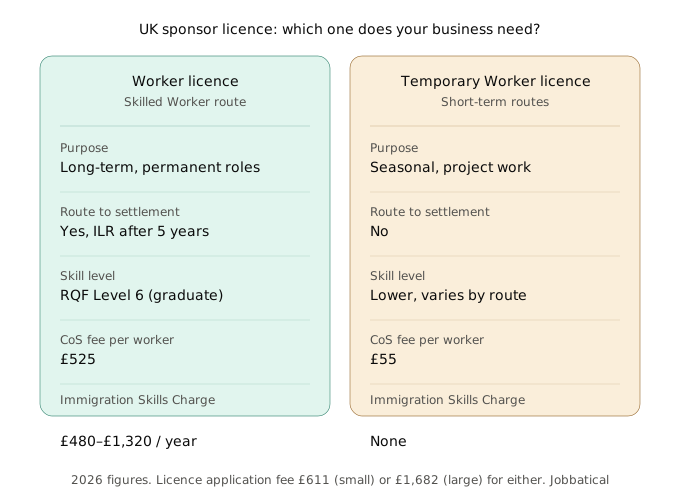
Worker Licence vs Temporary Worker Licence UK: At a Glance
| Feature | Worker (Skilled Worker) | Temporary Worker |
|---|---|---|
| Purpose | Long-term, permanent roles | Short-term, seasonal, project work |
| Route to settlement | Yes, ILR after 5 years | No |
| Skill level | RQF Level 6 (graduate) | Varies by route, lower |
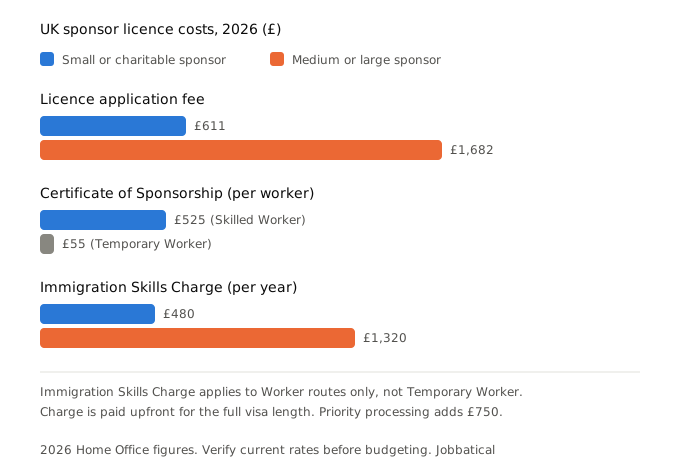
| CoS fee per worker | £525 | £55 |
| Immigration Skills Charge | £480–£1,320 per year | None |
┈┈┈┈┈┈┈┈┈┈┈┈┈┈┈┈┈┈┈┈┈┈┈┈┈┈┈┈┈┈┈┈┈┈┈┈┈┈┈┈┈┈┈┈┈┈┈
Contract Lengths and Visa Durations
- Skilled Worker visas: Issued for up to five years with unlimited extensions, Skilled Worker visa provides a direct pathway to permanent UK settlement.
- Temporary Worker visas: Limited strictly by specific route, allowing a maximum of 2 years for Creative or Religious Workers, and 1 year for Charity Workers.
Salary Thresholds and Skill Levels
- Skilled Worker requirements: Roles must meet the RQF Level 6 graduate skill level and a minimum salary threshold of £41,700 or the job's going rate, whichever is higher.
- Temporary Worker requirements: Categories feature lower salary and skill benchmarks tailored to short-term, fixed positions rather than permanent company roles.
┈┈┈┈┈┈┈┈┈┈┈┈┈┈┈┈┈┈┈┈┈┈┈┈┈┈┈┈┈┈┈┈┈┈┈┈┈┈┈┈┈┈┈┈┈┈┈
Sponsor Licence Requirements for UK Businesses
To secure a UK sponsor licence, your organization must prove it is a legitimate trading entity capable of fulfilling official sponsorship duties. The Home Office enforces identical baseline standards for both licence types.
Core Eligibility and Suitability Checks
- Genuine UK business: You must provide clear trading evidence, with new companies facing extra Home Office scrutiny.
- Clean criminal record: Key personnel must have no unspent convictions or past immigration violations.
- Genuine vacancies: Every sponsored role must meet genuine operational needs and comply with immigration rules.
- Key personnel: You must appoint specific staff to manage the online system, including an Authorising Officer, Key Contact, and Level 1 User.
┈┈┈┈┈┈┈┈┈┈┈┈┈┈┈┈┈┈┈┈┈┈┈┈┈┈┈┈┈┈┈┈┈┈┈┈┈┈┈┈┈┈┈┈┈┈┈
Required HR Systems and Compliance Duties
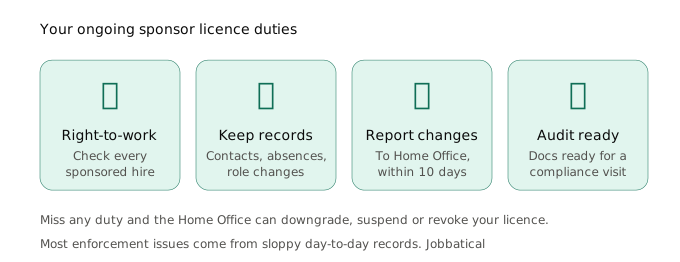
Employers must maintain robust HR systems to track sponsored staff and fulfill ongoing compliance duties. Minor administrative mistakes often lead to licence suspension or revocation.
- Right-to-work checks: Complete and record mandatory right-to-work verifications for all international workers.
- Employee tracking: Maintain accurate, up-to-date files on worker contact details, absences, and role changes.
- Home Office reporting: Report workforce updates, such as salary changes or missed start dates, via the online portal within 10 working days.
- Audit preparation: Keep all recruitment and employment records organized for potential UK Visas and Immigration compliance visits.
The reality is that most enforcement problems come from sloppy day-to-day records, not big misses. A missed report can cost you the licence.
┈┈┈┈┈┈┈┈┈┈┈┈┈┈┈┈┈┈┈┈┈┈┈┈┈┈┈┈┈┈┈┈┈┈┈┈┈┈┈┈┈┈┈┈┈┈┈
Which Sponsor Licence Does Your Business Need in UK?
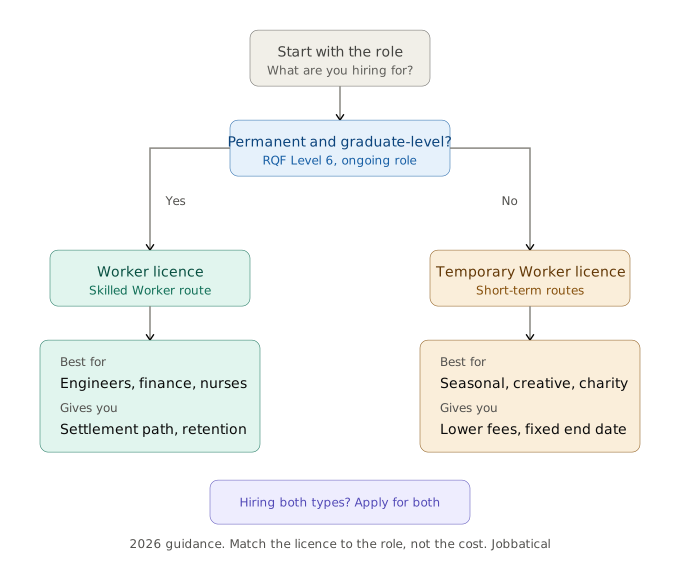
Work backwards from the role. Ask how long you need the person and whether you want them to stay.
Select your UK sponsor licence by evaluating the job duration and your long-term employee retention goals.
┈┈┈┈┈┈┈┈┈┈┈┈┈┈┈┈┈┈┈┈┈┈┈┈┈┈┈┈┈┈┈┈┈┈┈┈┈┈┈┈┈┈┈┈┈┈┈
When to Choose a Skilled Worker Licence (Long-Term Roles)
Go with the Worker licence when the role is permanent or ongoing, graduate-level, and you want the option to keep the person for good. Software engineers, finance leads, nurses and doctors all fit here. Yes, it costs more per hire, but it buys retention and a settlement path your team can plan around.
So, apply for the Worker licence if the position is permanent and requires high-skilled international talent.
- Eligible occupations: Suitable for graduate-level roles such as software engineers, finance leads, and medical professionals.
- Settlement path: Allows sponsored employees to apply for UK permanent residency after five years.
- Business value: Involves higher Home Office application costs but secures long-term staff retention.
┈┈┈┈┈┈┈┈┈┈┈┈┈┈┈┈┈┈┈┈┈┈┈┈┈┈┈┈┈┈┈┈┈┈┈┈┈┈┈┈┈┈┈┈┈┈┈
When to Choose a Temporary Worker Licence (Short-Term/Seasonal Roles)
Apply for the Temporary Worker licence if the role has a fixed end date and clear time limits.
- Eligible occupations: Tailored for seasonal agricultural staff, creative performers, charity workers, and research exchanges.
- Financial cost: Offers significantly lower visa fees and simpler sponsor management processing.
- Visa limitations: Time spent in the UK under this short-term route does not count toward permanent settlement.
Just remember that this time does not build toward settlement, so it is the wrong tool for someone you hope to keep.
┈┈┈┈┈┈┈┈┈┈┈┈┈┈┈┈┈┈┈┈┈┈┈┈┈┈┈┈┈┈┈┈┈┈┈┈┈┈┈┈┈┈┈┈┈┈┈
Next Steps: How to Start Your Application
Before you apply, map your next 12 months of overseas hiring and decide whether you need one licence or both. Standard approval takes up to 8 weeks, or 10 working days on the £750 priority service, so start early. Honestly, six weeks is the minimum buffer most companies should plan for.
If you are unsure which category fits, check your UK sponsor licence options and, once you know the route, line up your Certificate of Sponsorship process. Jobbatical manages the whole thing, from picking the right licence to staying compliant after approval, with more than 16,000 relocations behind us.
Disclaimer: Immigration rules change quite frequently; please verify with official sources or contact us for the latest info before making any decisions.
┈┈┈┈┈┈┈┈┈┈┈┈┈┈┈┈┈┈┈┈┈┈┈┈┈┈┈┈┈┈┈┈┈┈┈┈┈┈┈┈┈┈┈┈┈┈┈
Frequently Asked QuestionsUK Sponsor Licence Types
What are the two types of UK sponsor licence?
The Home Office issues two categories: a Worker licence for long-term roles like Skilled Worker and Health and Care Worker, and a Temporary Worker licence for short-term routes such as Seasonal, Creative and Charity Worker. You can apply for both on one application if you hire across categories.
Which sponsor licence does my business need?
Match the licence to the role, not the cost. Permanent, graduate-level hires who may settle in the UK need a Worker licence with Skilled Worker sponsorship. Fixed-term, seasonal or project roles with a clear end date fit a Temporary Worker licence. Hiring both types means applying for both.
Can I hold both a Worker and Temporary Worker licence?
Yes. Employers can apply for a combined licence covering both categories on a single application. This suits companies that hire permanent skilled staff alongside seasonal or project workers. Your compliance duties then cover every route you are licensed for, so your HR systems must track all of them.
Does a Temporary Worker licence lead to settlement?
No. Time on most Temporary Worker routes does not count toward Indefinite Leave to Remain. If you want to keep a worker long-term, they usually need to switch to a Skilled Worker visa, which requires your Worker licence and a fresh Certificate of Sponsorship.
How much does each sponsor licence cost in 2026?
The licence application fee is £611 for small or charitable sponsors and £1,682 for medium or large sponsors, for either category. The difference is per hire: a Skilled Worker CoS is £525 plus the Immigration Skills Charge, while a Temporary Worker CoS is £55 with no skills charge.
How long does a sponsor licence take to get?
Standard processing runs up to 8 weeks. A priority service decides your application in 10 working days for an extra £750. Plan at least six weeks before you need the first Certificate of Sponsorship, and longer if your HR systems need tightening before you apply.

.svg)
.svg)