
Key Takeaways: Spain ICT Permit Risks & Timelines
- The official 20-day UGE-CE window is rarely the bottleneck; Consulates, apostilles, and TIE appointments are.
- Employers from India, Brazil, and Southeast Asia face structural consulate backlogs that can push total timelines to 14+ weeks.
- A requerimiento (document request) from UGE-CE pauses the clock, often adding 10–15 extra days.
- Social Security certificate delays can stall your application before it even reaches UGE-CE.
- TIE appointments in Madrid and Barcelona are backlogged by weeks, blocking employees from opening bank accounts and signing leases.
Step-by-Step Spain ICT Permit Timeline: Where Delays Happen
The Spain ICT permit has a 20-day processing window at UGE-CE. That number sounds fast, and technically, it is. But most HR teams that have run an ICT transfer know that 20 days is only one part of a much longer chain. The real question isn't how long UGE-CE takes. It's where your timeline actually breaks down.
This is a stage-by-stage risk map of the Spain ICT permit process. For each stage, you'll see where delays happen, why, and what you can do about it before it costs your employee their start date.
Full employer guide to the ICT route: eligibility, both permit types, cost, documents and post-approval compliance, Spain ICT Visa: Complete Employer Guide
Stage 1: Document Preparation & Pre-Filing Risks
This is the stage most companies underestimate. Getting documents ready takes far longer than assembling them.
- Apostilles and sworn translations, For employees from countries with limited apostille infrastructure, expect 2 to 3 extra weeks and €100 to €200 in additional costs. Don't wait for UGE-CE approval to start this. Run it in parallel.
- Social Security Certificate of Coverage, Since 2024, Spain no longer accepts letters of commitment. If your employee's home country has a bilateral social security agreement with Spain, you need an official certificate, and obtaining it from the home authority can take several months. This must be requested before you file.
- 3-month employment rule, If your employee hasn't completed 3 months of continuous employment within the corporate group, your application will be rejected. Build this into your global mobility calendar from the moment a transfer is planned. See Jobbatical's guide to the 3-month prior employment rule.
🔑 🔑 Employer fix: Start document collection at the same time you confirm the transfer, not after. A preparation checklist shared with the employee on day one eliminates most of the last-minute scramble.
Stage 2: UGE-CE Application Process & Requerimiento Delays
UGE-CE is genuinely fast. They process within 20 business days and typically stick to it. But there's one risk that catches teams off guard.
- The requerimiento, If UGE-CE requests a missing or clarifying document, the 20-day clock pauses. Responding and resubmitting typically adds 10 to 15 business days. Most requerimientos are triggered by incomplete corporate documentation or missing employer certificates.
- Adexttra system outages, Since December 2025, Spain's Adexttra database (used for automated police background checks) has experienced technical failures. This is a government-side issue. Applications can stall mid-process with no action required on your part, but it does affect timelines. Build buffer accordingly and flag this when setting expectations with business stakeholders.
🔑 🔑 Employer fix: File a complete application. Every missing field is a potential requerimiento. If you're unsure, see Jobbatical's guide to ICT permit rejection reasons before submitting.
Stage 3: Consulate Processing Times (Your Biggest Bottleneck)
Honestly, most companies underplan this stage. The consulate, not UGE-CE, is where timelines most often blow up.
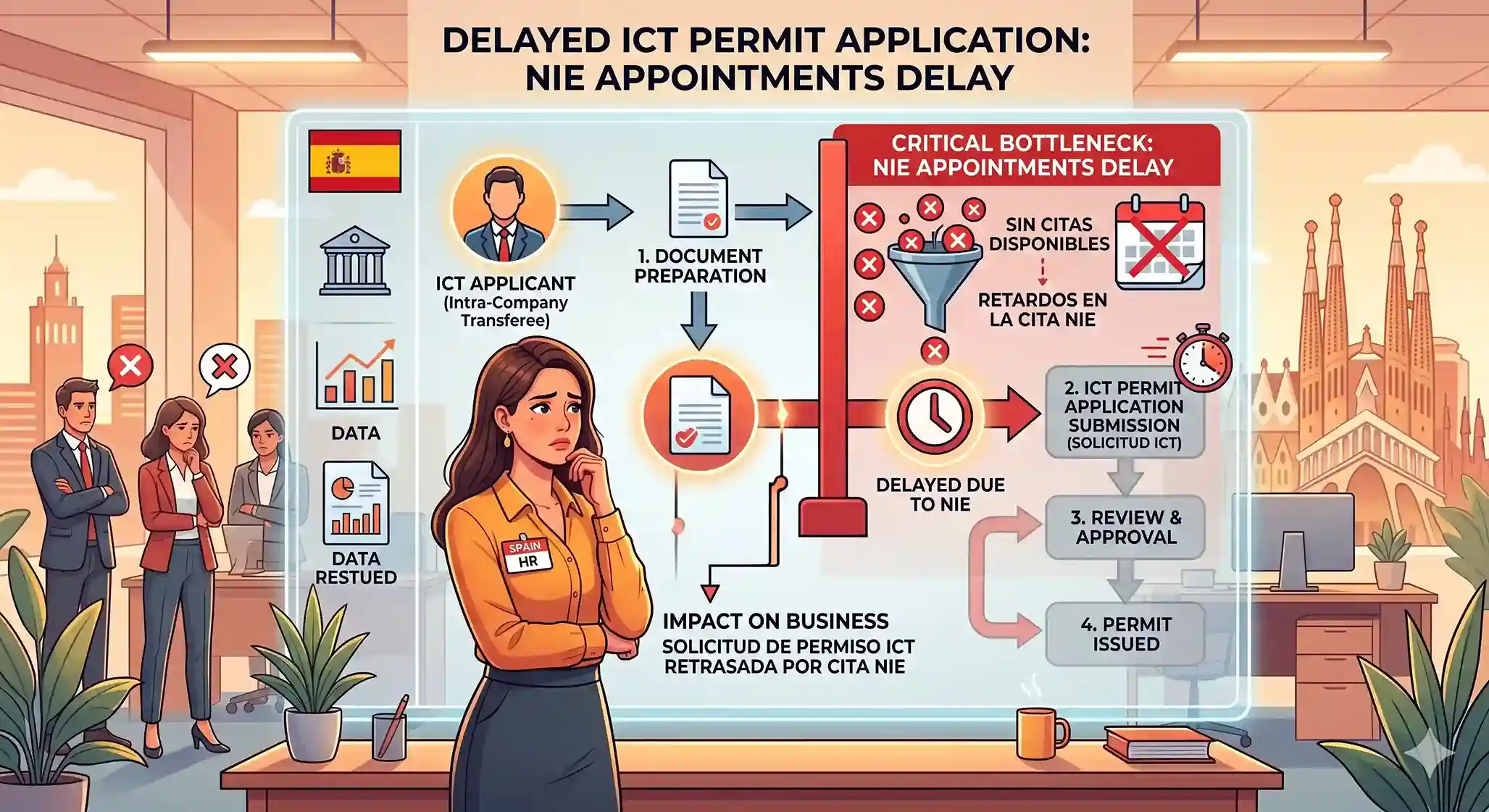
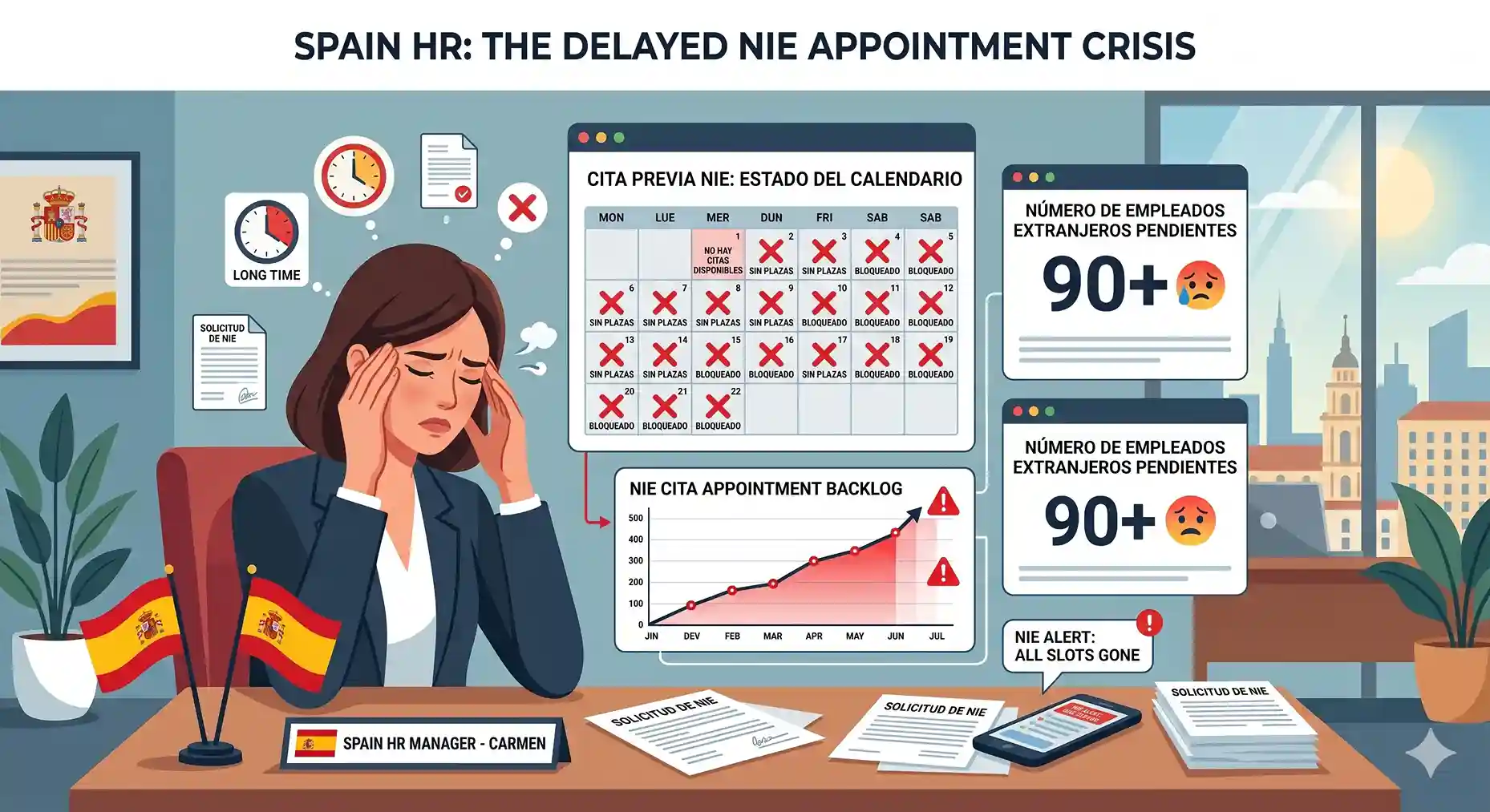
Check here the consequences of a delayed ICT permit due to NIE appointments.
Consulate Processing Times by Origin Region (2026 Estimates)
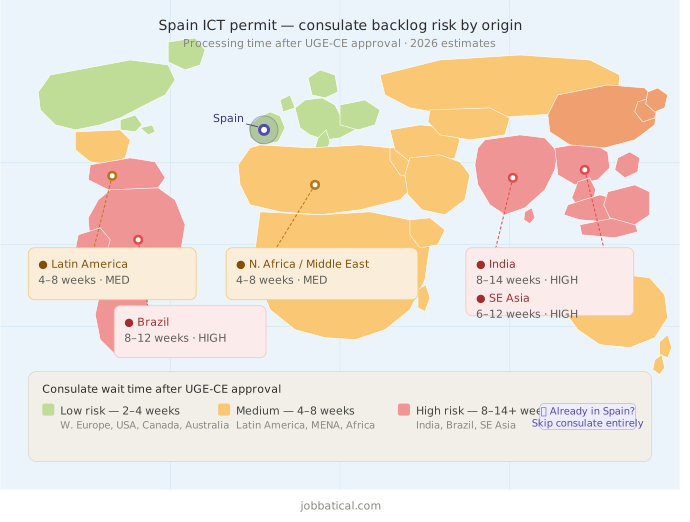
One shortcut worth knowing: if your employee is already legally in Spain on a valid visa when you submit the UGE-CE application, they skip the consulate stage entirely. Check this before you start. For current wait times by city, see Jobbatical's Spain consulate backlog guide.
🔑 🔑 Employer fix: Never confirm a start date before you've checked the consulate wait time for your employee's specific country and city. The 90-day window to apply for the national visa after UGE-CE approval is fixed, if the consulate slot isn't available, you're losing weeks you can't recover.
Stage 4: Post-Arrival TIE Appointments & Compliance Risks
Your employee has landed. The permit is approved. Job done, right? Not quite.
Employees must book a TIE (Tarjeta de Identidad de Extranjero) biometrics appointment within 30 days of arrival. In Madrid and Barcelona, cita previa slots are currently running weeks to months behind. Spain's 2026 regularisation programme, which is expected to add up to 500,000 new applicants, is making this worse, not better.
Without a physical TIE card, your employee cannot open a bank account, sign a long-term lease, or access Spanish e-government services. The approved permit is legally valid, but day-to-day life is significantly disrupted.
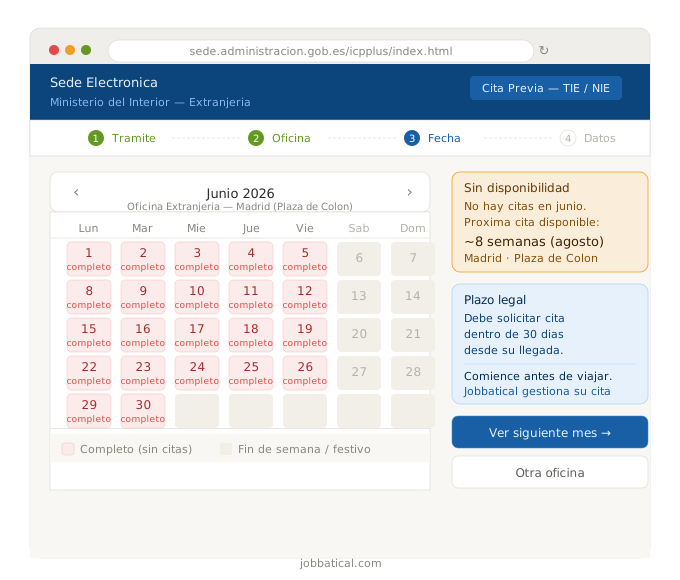
Employer fix: Instruct employees to start booking the TIE appointment before they travel, not after. Check appointment availability as part of your pre-arrival checklist, not your post-arrival one. Jobbatical's Spain Residence Permit service proactively secures appointments to keep onboarding timelines on track.
Summary: Realistic Spain ICT Processing Times (End-to-End)
Moving a group rather than one employee? Parallel filing compresses the same stages by 4–6 weeks per cohort: Spain ICT Batch Filing
✅ The companies that consistently hit their timelines are the ones that treat every stage as a planning variable, not just the permit application itself.
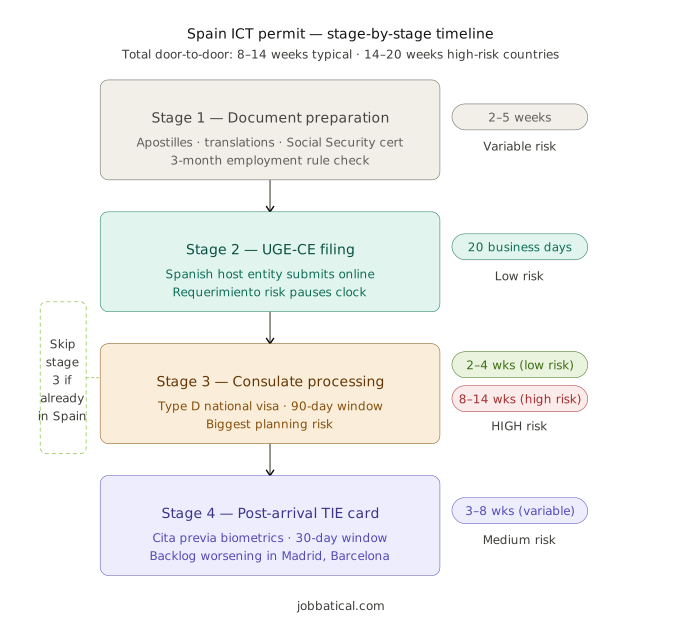
Spain ICT permit end-to-end timeline : 8 to 14 weeks from document preparation to TIE card

Employer Compliance Checklist: Spain ICT Permit Risk Mitigation
Managing Spain ICT permit risks requires strict compliance across pre-filing, submission, and post-arrival stages. Use this employer checklist to avoid UGE-CE application delays, document requests, and legal non-compliance.
Pre-Filing Setup and Eligibility
- 3-Month Employment Rule: Verify that the transferee has completed 3 consecutive months of continuous employment within your corporate group prior to applying.
- Social Security Certificate: Secure an official Certificate of Coverage from the home country authority before filing, as Spain no longer accepts employer commitment letters.
- Apostilles and Sworn Translations: Process police clearances and degree certificates with official Spanish sworn translators in parallel with file preparation.
Application Submission and Processing
- Corporate Relationship Proof: Submit current commercial registry extracts showing the legal connection between the sending entity and the Spanish host company.
- Requerimiento Prevention: Complete a thorough document audit before filing to prevent UGE-CE document requests that pause the 20-day processing clock.
- System Downtime Buffer: Add 1 to 2 weeks of timeline buffer to account for potential government database outages such as Adexttra system failures.
Post-Arrival Onboarding and Compliance
- TIE Biometrics Appointment: Pre-book the TIE residence card appointment 2 to 3 weeks before arrival to avoid local cita previa backlogs.
- Social Security Registration: Register the employee with Spanish Social Security (TGSS) immediately upon arrival to ensure legal work authorization.
- Assignment Status Updates: Report any material changes in job role, salary, or host entity to UGE-CE to maintain ongoing regulatory compliance.
Disclaimer: Immigration rules change quite frequently; please verify with official sources or contact us for the latest info before making any decisions.
Frequently Asked Questions: Spain ICT Permit Timeline Delays
How long does the Spain ICT permit actually take from start to finish?
The official UGE-CE stage takes 20 business days. But the full door-to-door timeline, including document preparation, consulate processing, and TIE card, typically runs 8 to 14 weeks. For employees from high-backlog countries like India or Brazil, plan for 14 to 20 weeks.
Is UGE-CE or the Spanish consulate the bigger delay risk?
The consulate is the bigger risk. UGE-CE reliably processes within 20 business days. Consulate wait times vary from 2 weeks to 3 months depending on country, city, and season. Employees already in Spain on a valid visa can skip the consulate stage entirely, worth checking before you start.
What is a requerimiento and how does it affect the ICT timeline?
A requerimiento is a formal request from UGE-CE for a missing or clarifying document. When one is issued, the 20-day processing clock pauses until you respond. This typically adds 10 to 15 business days to your total timeline, making complete documentation critical before filing.
Why does the Social Security certificate cause delays?
Spain no longer accepts letters of commitment as a placeholder. If your employee's home country has a bilateral social security agreement with Spain, you must include an official Certificate of Coverage, which can take several months to obtain from the home country authority. This must be requested before you file, not after.
How long does it take to get a TIE appointment after arriving in Spain?
In Madrid and Barcelona, TIE (cita previa) appointments are currently running weeks to months behind, worsened by Spain's 2026 regularisation programme. Employees have 30 days from arrival to book biometrics. Without a TIE card, they cannot open a bank account, sign a lease, or access e-government services, making early booking critical.
Can apostille and translation delays be avoided?
They can be minimised but not eliminated. For employees from countries with limited apostille infrastructure, budget for an extra 2 to 3 weeks and €100 to €200 in additional costs. Start the apostille and sworn translation process in parallel with employment confirmation, not after UGE-CE approval.
What happens if the Adexttra police background check system is down?
The Adexttra system has experienced outages since late 2025, preventing automated police background reports from being generated. This is a government-side issue employers cannot control. Applications may stall mid-process. The practical response is to flag this risk when communicating timelines to stakeholders and build in buffer from the start.

.svg)
.svg)