

KEY TAKEAWAYS
- Temporary Worker routes let you bring people in for months, not years, without the Immigration Skills Charge and without Skilled Worker salary thresholds.
- These routes do not count towards settlement (ILR), so plan around fixed end dates and mandatory return.
- Every temporary route uses an undefined Certificate of Sponsorship at £55 each in 2026; request your annual allocation up front.
- Global Business Mobility covers intra-company transfers, UK expansion, secondments and short service delivery.
- Compliance rules are strict: report changes within 10 working days and keep Appendix D records for the full stay plus 2 years.
- Jobbatical has deep expertise in handling both Skilled and Temporary Worker visas along with Sponsor license, CoS application and Sponsor management system.
Sponsoring short-term overseas talent through the standard Skilled Worker visa is often an expensive mistake. Bringing a data scientist to London for eight months, hiring a film crew for a single production, or transferring staff to set up a new branch requires a temporary visa route instead.
Using the correct UK temporary worker visa route in 2026 reduces immigration fees, accelerates processing times, and ensures Home Office compliance. This guide walks you through the UK temporary work visa routes 2026, when to use them over the permanent route, what they cost, and the compliance rules that catch sponsors out.
┈┈┈┈┈┈┈┈┈┈┈┈┈┈┈┈┈┈┈┈┈┈┈┈┈┈┈┈┈┈┈┈┈┈┈┈┈┈┈┈┈┈┈┈┈┈┈
Strategic Decision Matrix: Temporary Work Visas vs. Skilled Worker Route
- Long-term settlement: Choose the Skilled Worker visa if the role is permanent, continuous, or leads to Indefinite Leave to Remain (ILR).
- Fixed-term projects: Choose a UK Temporary Work visa if the role has a clear end date, saving thousands in application fees and healthcare surcharges.
Related Reading:
Hiring for a permanent role instead? See our UK Skilled Worker visa service.
Planning towards settlement? Learn how UK Indefinite Leave to Remain (ILR) works for sponsored staff.
┈┈┈┈┈┈┈┈┈┈┈┈┈┈┈┈┈┈┈┈┈┈┈┈┈┈┈┈┈┈┈┈┈┈┈┈┈┈┈┈┈┈┈┈┈┈┈
Temporary Worker vs Skilled Worker Visa UK: Key Differences
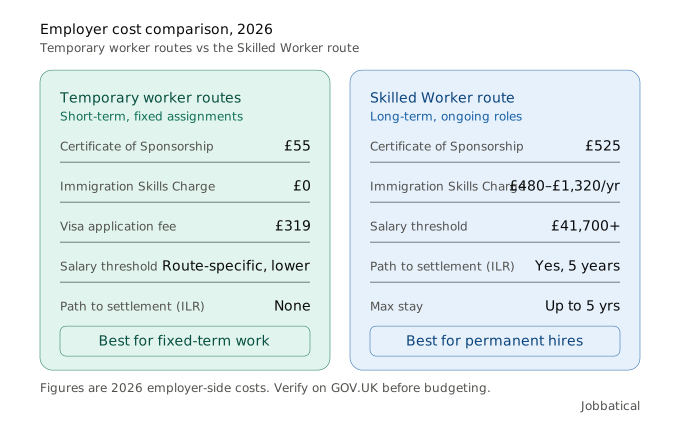
| Factor | Temporary Worker routes | Skilled Worker route |
|---|---|---|
| Purpose | Short-term, fixed assignments | Long-term, ongoing roles |
| Settlement (ILR) | No path to ILR | ILR after 5 years |
| Immigration Skills Charge | Not payable | £480–£1,320 per year |
| Salary threshold | Route-specific, often lower | £41,700+ general threshold |
| CoS type | Undefined CoS, £55 | Defined or undefined, £525 |
| Max stay | 12 months to 5 years by route | Up to 5 years, renewable |
┈┈┈┈┈┈┈┈┈┈┈┈┈┈┈┈┈┈┈┈┈┈┈┈┈┈┈┈┈┈┈┈┈┈┈┈┈┈┈┈┈┈┈┈┈┈┈
When Enterprise HR Should Use UK Temporary Work Visa Routes
Enterprise HR teams should utilize UK temporary worker visa routes in 2026 to optimize immigration costs and streamline short-term mobility. Consider a temporary visa route when:
- Fixed-term projects: Assigning overseas staff to a UK project, secondment, or seasonal workload with a clear end date.
- Intra-company transfers: Moving existing employees within a global corporate group into a UK branch via Global Business Mobility routes.
- UK expansion: Deploying a core founding team to establish a new UK business entity before trading begins.
- Cost optimization: Avoiding the UK Immigration Skills Charge on short-term international engagements.
┈┈┈┈┈┈┈┈┈┈┈┈┈┈┈┈┈┈┈┈┈┈┈┈┈┈┈┈┈┈┈┈┈┈┈┈┈┈┈┈┈┈┈┈┈┈┈
Settlement, Cooling-Off, and Salary Rules
Understanding Home Office restrictions prevents compliance errors and misaligned employee expectations:
- No ILR settlement pathway: UK temporary worker routes do not count toward Indefinite Leave to Remain (ILR), meaning workers cannot transition directly to permanent settlement.
- Maximum stay caps: Temporary routes enforce strict time limits (typically 12 to 24 months) and mandatory cooling-off periods that prevent consecutive back-to-back sponsorship.
- Predetermined exit plans: Employers must define fixed project end dates and departure plans before the overseas worker arrives in the UK.
Not sure which UK route fits a role? Run our UK visa pre-hiring check before you sponsor.
┈┈┈┈┈┈┈┈┈┈┈┈┈┈┈┈┈┈┈┈┈┈┈┈┈┈┈┈┈┈┈┈┈┈┈┈┈┈┈┈┈┈┈┈┈┈┈
Cost Efficiency: Avoiding the UK Immigration Skills Charge
Selecting a temporary visa route provides significant financial savings for UK sponsor licence holders:
- Skills Charge exemption: UK Temporary Worker visa routes are exempt from the Immigration Skills Charge (ISC).
- Direct budget savings: Medium and large employers save £1,320 per worker per year compared to sponsoring under the Skilled Worker route.
- Smarter talent allocation: Sponsoring short-term projects through temporary worker visas eliminates the high upfront fees associated with permanent visa categories
→ See the latest rates and exemptions in our 2026 guide to the UK Immigration Skills Charge.
┈┈┈┈┈┈┈┈┈┈┈┈┈┈┈┈┈┈┈┈┈┈┈┈┈┈┈┈┈┈┈┈┈┈┈┈┈┈┈┈┈┈┈┈┈┈┈
Core UK Temporary Visa Categories
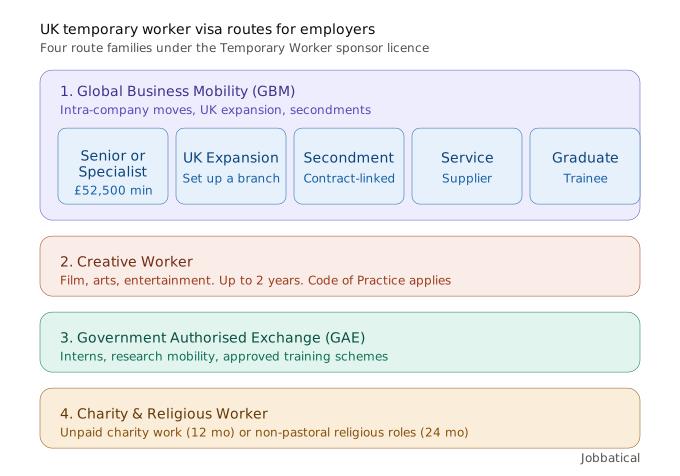
- Global Business Mobility: Designed for senior staff transfers, overseas secondments, service suppliers, and UK expansion teams.
- Creative Worker visa: Designed for short-term engagements in film, television, theatre, or music (up to 24 months).
- Government Authorised Exchange: Designed for short-term work experience, internships, and research training schemes.
- Charity and Religious Worker visas: Reserved for unpaid voluntary or faith-based placements.
┈┈┈┈┈┈┈┈┈┈┈┈┈┈┈┈┈┈┈┈┈┈┈┈┈┈┈┈┈┈┈┈┈┈┈┈┈┈┈┈┈┈┈┈┈┈┈
Breakdown of UK Sponsored Temporary Worker Visa Routes in 2026
Employers must match their hiring strategy to the correct UK temporary worker sponsor licence tier. There are four route paths that you are most likely to use. Each needs a matching UK temporary worker sponsor licence, and the Home Office evaluates and grants each temporary work route separately on your licence separately.
1. Global Business Mobility (GBM) Routes
GBM visas enable overseas businesses to transfer international staff to the UK for specific commercial assignments. There are five sub-routes:
- Senior or Specialist Worker: Sponsoring high-value intra-company transfers requiring a £52,500 minimum salary threshold or job going rate.
- UK Expansion Worker: Deploying key personnel to establish a new UK business footprint before trading begins.
- Secondment Worker: Sponsoring overseas staff linked to high-value commercial contracts with a UK business.
- Service Supplier: Transferring overseas workers to deliver contractual services under international trade agreements.
- Graduate Trainee: Sponsoring international talent on structured corporate graduate rotation schemes.
If you run intra-company moves regularly, the UK sponsor licence you hold must cover the GBM sub-routes you plan to use.
→ For senior intra-company transfers, see our UK Intra-Company Transfer (Senior or Specialist Worker) service.
┈┈┈┈┈┈┈┈┈┈┈┈┈┈┈┈┈┈┈┈┈┈┈┈┈┈┈┈┈┈┈┈┈┈┈┈┈┈┈┈┈┈┈┈┈┈┈
2. Creative Worker Visa
This route supports short-term entertainment, culture, and arts engagements:
- Target roles: Sponsoring performers, artists, production crew, and technical staff for up to 12 months (extendable to 24 months).
- Sector compliance: Adhering to Home Office sector Codes of Practice.
- Union consultation: Demonstrating consultation with relevant industry unions, such as Equity or BECTU, prior to sponsorship.
┈┈┈┈┈┈┈┈┈┈┈┈┈┈┈┈┈┈┈┈┈┈┈┈┈┈┈┈┈┈┈┈┈┈┈┈┈┈┈┈┈┈┈┈┈┈┈
3. Government Authorised Exchange (GAE) Route
GAE visas facilitate short-term knowledge sharing, research, and professional development:
- Approved schemes: Sponsoring structured work experience, internships, research fellowships, and corporate training programs.
- Third-party sponsorship: Managed primarily through approved overarching scheme operators rather than direct employer sponsorship.
- Maximum duration: Restricted to a maximum stay of 12 or 24 months depending on the approved scheme.
┈┈┈┈┈┈┈┈┈┈┈┈┈┈┈┈┈┈┈┈┈┈┈┈┈┈┈┈┈┈┈┈┈┈┈┈┈┈┈┈┈┈┈┈┈┈┈
4. Specialised Routes: Charity and Religious Workers
Niche routes designed for non-commercial voluntary and faith-based organisations:
- Charity Worker visa: Sponsoring unpaid voluntary fieldwork for registered UK charities for up to 12 months.
- Religious Worker visa: Sponsoring short-term religious or non-pastoral assignments for up to 24 months.
┈┈┈┈┈┈┈┈┈┈┈┈┈┈┈┈┈┈┈┈┈┈┈┈┈┈┈┈┈┈┈┈┈┈┈┈┈┈┈┈┈┈┈┈┈┈┈
Temporary Worker CoS Rules: Avoiding Technical SMS Mistakes
Assigning an undefined Certificate of Sponsorship (CoS) through the Sponsor Management System (SMS) requires proactive allocation planning to avoid immigration processing delays.
Undefined CoS requirement: All UK Temporary Worker visa routes rely on undefined CoS allocations for both in-UK visa switches and overseas applicants. It is important to understand this well so as not to lose any time.
→ Learn how we handle Certificate of Sponsorship (CoS) assignments for employers.
┈┈┈┈┈┈┈┈┈┈┈┈┈┈┈┈┈┈┈┈┈┈┈┈┈┈┈┈┈┈┈┈┈┈┈┈┈┈┈┈┈┈┈┈┈┈┈
Why Temporary Routes Use Undefined CoS
Undefined CoS come from your annual allocation and cover both overseas and in-UK applicants on temporary routes. You assign them through the Sponsor Management System (SMS). If you run out mid-year, you request more, and the Standard requests to increase undefined CoS allocations through the Sponsor Management System can take up to 18 weeks to process.
Hence, it's important to do Annual allocation planning: Employers must estimate short-term talent needs and request sufficient undefined CoS allocations prior to the sponsorship year.
→ Confused by CoS types? Read our guide to defined vs undefined CoS in the UK.
Structuring Your Annual Undefined CoS Allocation
Estimate your short-term hiring pool before the sponsorship year starts and request enough undefined CoS to cover it to avoid facing a crunch in the middle of the year.
However, if you still need it urgently then A-rated sponsors can pay £350 for the Home Office post-licence priority service to fast-track additional undefined CoS allocation requests within 5 working days.
→ Out of allocation mid-year? See our 2026 guide to the CoS Allocation Priority Service.
┈┈┈┈┈┈┈┈┈┈┈┈┈┈┈┈┈┈┈┈┈┈┈┈┈┈┈┈┈┈┈┈┈┈┈┈┈┈┈┈┈┈┈┈┈┈┈
2026 Financial Breakdown: Temporary CoS Assignment Fees & ISC Exemption Nuances
| Cost item | 2026 amount | Who pays |
|---|---|---|
| Temporary Worker CoS | £55 per certificate | Sponsor |
| Immigration Skills Charge | Not payable on temporary routes | Sponsor (exempt here) |
| Visa application fee | £340 (most temporary routes) | Worker or sponsor |
| Priority CoS allocation | £350 per request | Sponsor |
You cannot pass the CoS fee to the worker. Always confirm current figures on GOV.UK before you budget, as fees moved again in April 2026.
→ For every sponsorship fee in one place, see our full 2026 UK sponsor licence, CoS and IHS cost breakdown.
┈┈┈┈┈┈┈┈┈┈┈┈┈┈┈┈┈┈┈┈┈┈┈┈┈┈┈┈┈┈┈┈┈┈┈┈┈┈┈┈┈┈┈┈┈┈┈
UK Sponsor Employer Compliance and Home Office Audit Rules
Holding a UK sponsor licence is a legal privilege. The UK Home Office treats missing records or delayed reporting as non-compliance, making strict compliance management essential during Home Office audits.
- Sponsor licence requirement: Sponsoring businesses must possess an active Temporary Worker sponsor licence issued by the UK Home Office.
- CoS assignment: Employers must assign a valid Certificate of Sponsorship (CoS) through the Sponsor Management System (SMS) before visa submission.
- Reporting obligations: HR teams must report changes in assignee duties, employment locations, or fixed end dates via the SMS within 10 working days.
- Record-keeping duties: Employers must retain right-to-work verification, Appendix D documents, and evidence of worker rights disclosures.
- Audit prevention: Temporary assignees face heightened scrutiny during Home Office compliance checks, requiring verified exit dates, departure tracking, and accurate payroll records.
┈┈┈┈┈┈┈┈┈┈┈┈┈┈┈┈┈┈┈┈┈┈┈┈┈┈┈┈┈┈┈┈┈┈┈┈┈┈┈┈┈┈┈┈┈┈┈
Sponsor Compliance and Audit Prevention for Temporary Assignees
The Home Office treats missing records as non-compliance even when the worker is fully lawful. Temporary assignees face heightened scrutiny during Home Office compliance checks, requiring verified exit dates, departure tracking, and accurate payroll records.
┈┈┈┈┈┈┈┈┈┈┈┈┈┈┈┈┈┈┈┈┈┈┈┈┈┈┈┈┈┈┈┈┈┈┈┈┈┈┈┈┈┈┈┈┈┈┈
Managing Maximum Stay Caps and Return Visa Dates
Proper tracking of temporary worker visa expiry dates is critical to maintaining UK Home Office sponsor licence compliance:
- Visa expiry tracking: Log every worker's assignment end date and legal maximum stay limit directly in HR management systems.
- Departure planning: Schedule mandatory worker return dates well in advance to prevent accidental overstaying.
- Audit risk prevention: Avoid visa overstay breaches that trigger Home Office compliance audits, fines, or sponsor licence suspensions.
┈┈┈┈┈┈┈┈┈┈┈┈┈┈┈┈┈┈┈┈┈┈┈┈┈┈┈┈┈┈┈┈┈┈┈┈┈┈┈┈┈┈┈┈┈┈┈
The 10-Day Reporting Rule for UK Sponsors
Employers holding a UK sponsor licence must report changes to a sponsored worker's employment status through the Sponsor Management System (SMS) within 10 working days.
- Reportable status changes: Submitting updates for early assignment completion, role changes, work location updates, or unpaid absences.
- SMS reporting deadline: Logging worker updates in the Sponsor Management System within 10 working days of the event.
- Compliance penalty prevention: Avoiding Home Office sponsor licence suspensions, downgrades, or revocations caused by late reporting.
┈┈┈┈┈┈┈┈┈┈┈┈┈┈┈┈┈┈┈┈┈┈┈┈┈┈┈┈┈┈┈┈┈┈┈┈┈┈┈┈┈┈┈┈┈┈┈
Right to Work Checks and Appendix D Records
UK sponsors must complete online right to work checks and maintain strict document retention to protect against illegal working civil penalties.
- Online RTW checks: Verifying an international worker's legal employment status before their start date using the Home Office eVisa share code service.
- Appendix D retention: Retaining all mandatory Appendix D compliance documents throughout employment plus two years after the worker leaves. That is the retention period that preserves your statutory excuse against illegal-working penalties.
- Statutory excuse protection: Preserving a legal statutory excuse against civil penalties through compliant record keeping and timely right to work verifications.
┈┈┈┈┈┈┈┈┈┈┈┈┈┈┈┈┈┈┈┈┈┈┈┈┈┈┈┈┈┈┈┈┈┈┈┈┈┈┈┈┈┈┈┈┈┈┈
UK Temporary Worker Sponsor Pre-Audit Checklist
Run this Home Office pre-audit checklist to ensure sponsor licence compliance before a UK Visas and Immigration inspection:
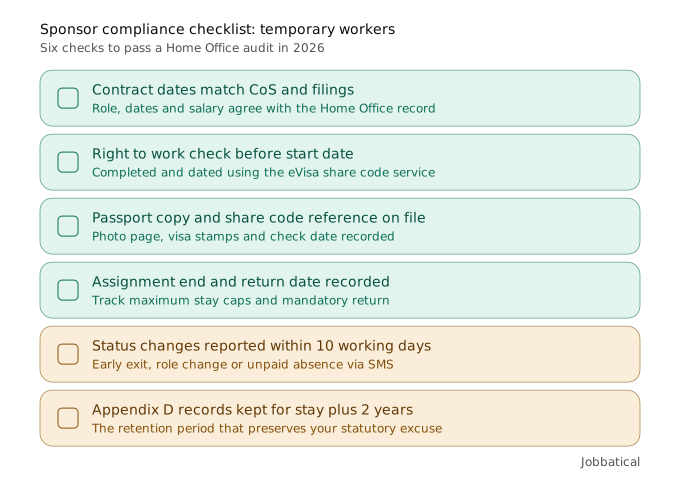
- Contract alignment: Verifying employment contract start and end dates match the Certificate of Sponsorship and Sponsor Management System records.
- Pre-employment RTW checks: Completing and logging online right to work checks via the eVisa share code service prior to the worker's start date.
- Appendix D documentation: Retaining passport copies, travel evidence, and valid eVisa share code verification records on file.
- Assignment tracking: Logging fixed project end dates, maximum stay caps, and planned worker return dates in HR systems.
- SMS status reporting: Submitting any worker role changes, absences, or early assignment terminations through the Sponsor Management System within 10 working days.
How Jobbatical helps with UK Temporary Worker Visas and Sponsor Licenses
Managing several temporary assignees across routes and deadlines by hand is where things slip. Jobbatical combines immigration experts with a platform that tracks every case, CoS, and reporting deadline in one place. Set up a chat with us to see how we keep your temporary worker sponsorship compliant and on schedule.
Disclaimer: Immigration rules change quite frequently; please verify with official sources or contact us for the latest info before making any decisions.
┈┈┈┈┈┈┈┈┈┈┈┈┈┈┈┈┈┈┈┈┈┈┈┈┈┈┈┈┈┈┈┈┈┈┈┈┈┈┈┈┈┈┈┈┈┈┈
Frequently Asked Questions: UK Temporary Worker Visa Routes for Employers

.svg)
.svg)