

Key Take aways for Seafarer Visa cost
- The UK Join Ship Visa government fee is £135 (April 2026), charged at the Standard Visitor rate, with no Immigration Health Surcharge and no salary threshold.
- Priority processing adds approximately £500 and can cut decisions from 3 weeks to 5 working days; budget for it on any port call under 4 weeks.
- Visa Application Centre service charges, document translation, and SEA certification add £100–£350 per application depending on the seafarer’s country.
- The total landed cost per crew change sits between £235 and £985 depending on service level and nationality.
- Unlike Skilled Worker sponsorship, there is no sponsor licence fee, no Certificate of Sponsorship, and no Immigration Skills Charge, making this the most cost-effective maritime entry route for foreign crew.
Most crew change budgets plan for the vessel, the flights, and the port fees. The visa cost is often the last thing crewing managers think about until a last-minute crew change triggers a priority service request and the finance team asks why it costs seven times more than last quarter. The UK Join Ship Visa has one of the lowest government fees of any UK entry route. But the government fee is rarely the full picture.
Here is the complete cost breakdown for 2026, structured for crewing managers and maritime HR teams who need to budget accurately across a roster, not just a single application.
What the Government Fee Actually Covers
The UK Join Ship Visa is processed under the Standard Visitor visa route. As of April 2026, the Home Office application fee is £135 per applicant. This matches the standard 6-month visitor visa fee, updated from £127 as part of the April 8, 2026 fee schedule.
Crucially, two major cost drivers that apply to most other UK work routes do not apply here:
- No Immigration Health Surcharge (IHS). On a Skilled Worker visa, the IHS runs at £1,035 per adult per year, paid upfront for the full visa duration. That alone adds £3,105 to a 3-year visa.
- No employer-side fees. There is no sponsor licence, no Certificate of Sponsorship (£525 per hire post-April 2026), and no Immigration Skills Charge. The employer’s only financial obligation is the costs they choose to cover for their seafarers.
For a crewing team managing rotating international rosters, this structure means the Join Ship Visa is genuinely cost-efficient relative to other UK immigration routes. The complication is what sits outside the government fee.
Full Cost Breakdown Per Application (2026)
The realistic total cost depends on three variables: service level (standard vs priority), the seafarer’s country, and document preparation requirements.
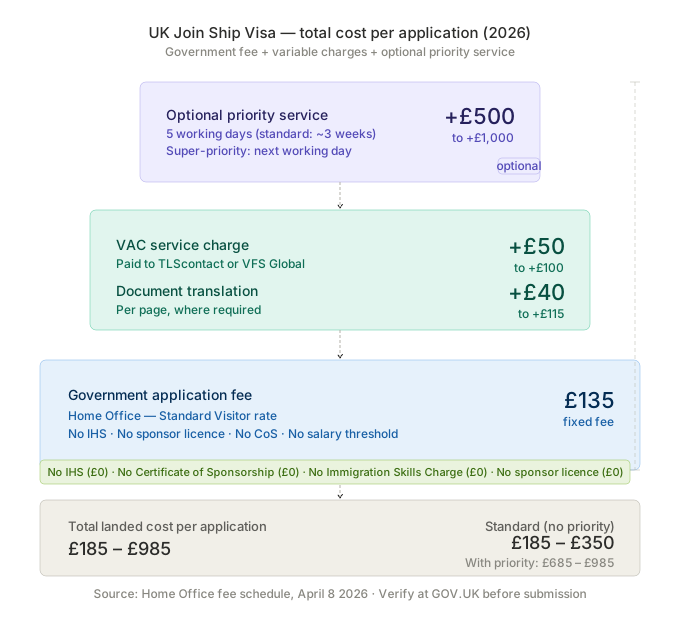
UK Join Ship Visa - Cost Components by Category
Total Landed Cost Scenarios
In practice, most crewing managers report a standard application costs around £200–£250 per seafarer when no translation is needed. Priority applications regularly come in at £700–£750. If your crew change roster includes nationalities requiring document translation, for example, seafarers from Arabic-speaking countries where the SEA is issued in Arabic budget at the upper end.
The Priority Service Decision: When to Pay the Extra £500
Processing options
✅ Standard processing
- Around 3 weeks from biometric submission at a UKVI-authorised Visa Application Centre (VAC).
✅ Priority service
- Decision target: 5 working days.
✅ Super Priority service
- Decision target: Next working day.
- Availability may be limited outside major VAC locations.
Potential savings:
- Application cost can fall from £700+ to under £250 per seafarer.
- For a 20-seafarer rotation, this can generate savings of approximately £9,000 per crew-change cycle.
How These Costs Compare to Other UK Work Routes
Context matters when presenting costs to a finance or ops team. The Join Ship Visa is not just cheap in absolute terms; it is a different category entirely from employment-based sponsorship routes.
UK Visa Cost Comparison: Join Ship Visa vs Other Routes (Per Worker, 2026)
The gap is not subtle. Skilled Worker sponsorship for a single hire over three years runs to nearly £10,000 in government fees alone before legal costs are added. The Join Ship Visa route keeps the total landed cost under £1,000 even at priority service levels. This is why correct visa classification matters so much for maritime employers. Using the wrong route is not just a compliance risk; it is a significant avoidable cost.
For a full overview of UK visa routes for maritime and shore-based staff, see our UK Join Ship Visa complete employer guide and our service page for UK Join Ship Visa support.
What Happens If the Application Is Refused?
A refused application means the full cost is unrecoverable. The Home Office application fee, VAC charges, translation costs, and priority service fees are all non-refundable once a decision is issued. If a second application is needed, you pay again.
The most common refusal causes for the Join Ship Visa are invitation letter errors, insufficient vessel departure evidence, and incorrect visa category selection. Our guide to UK Join Ship Visa refusal reasons covers all 11 common refusal triggers and the exact fix for each.
Budgeting for a Crew Rotation: Sample Calculation
Putting the numbers together for a realistic scenario: a vessel with a 5-person crew change, 3 seafarers requiring standard processing and 2 needing priority due to late scheduling.
Sample Crew Rotation Cost Calculation
For a large fleet operator running 10–15 UK port calls per year, annualised visa costs across a mixed roster will typically sit in the £20,000–£60,000 range depending on crew size and scheduling discipline. Check our UK visa cost calculator.
Jobbatical’s immigration case management platform gives maritime HR teams real-time visibility across all active crew applications, with automated reminders built around port call timelines. Book a demo to see how it works for your fleet.
Disclaimer: Immigration rules change quite frequently; please verify with official sources or contact us for the latest info before making any decisions.
Frequently Asked Questions : UK Seafarer Visa Fees 2026
How much does the UK Join Ship Visa cost in 2026?
The government application fee is £135 as of April 2026, matching the Standard Visitor visa rate. There is no Immigration Health Surcharge and no salary threshold. Additional costs — VAC service charges, document translation, and optional priority processing — bring the total landed cost to between £235 and £985 per application depending on service level and location.
Do seafarers on a Join Ship Visa pay the Immigration Health Surcharge?
No. The Join Ship Visa sits outside the UK Points-Based System and does not attract the Immigration Health Surcharge (IHS). This is one of the key cost advantages over other UK work visa routes, where the IHS runs at £1,035 per adult per year on top of the application fee.
What is the priority service fee for a UK seafarer visa?
Priority service typically costs an additional £500 and aims to deliver a decision within 5 working days of biometric submission. Super-priority (next working day) costs approximately £1,000 where available. Availability varies by country and VAC location. Always check the current service options in the GOV.UK application portal at the time of applying.
Are UK seafarer visa fees refundable if the application is refused?
The Home Office application fee is generally non-refundable on refusal. VAC service charges are commercial fees paid to the centre operator and are also non-refundable in most cases. Document translation and preparation costs are similarly unrecoverable. This is why getting the letter of invitation and supporting documents right before submission matters so much for crewing managers.
Does the employer or the seafarer pay the Join Ship Visa fee?
There is no legal requirement specifying who pays. In practice, most shipowners and crewing agencies cover the government fee and VAC costs as part of the crew change process, since the visa is required for operational purposes. Many also budget for priority service fees centrally when vessel scheduling demands faster turnaround.
Are there any employer fees for the UK Join Ship Visa, like a sponsor licence?
No. The Join Ship Visa requires no sponsor licence, no Certificate of Sponsorship, and no Immigration Skills Charge from the employer. This makes the total employer cost considerably lower than Skilled Worker sponsorship, which can run to £5,000–£10,000 per hire over three years once all fees are included.
Do seafarer visa fees vary by country of application?
The Home Office application fee of £135 is fixed regardless of where the seafarer applies. However, VAC service charges, biometric appointment fees, and optional extras vary by country and centre operator (TLScontact or VFS Global). Priority and super-priority availability also differs by location. Always check the VAC booking portal for your seafarer’s country to get an accurate total before submitting.

.svg)
.svg)