

KEY TAKEAWAYS
- ILR lapses automatically after two continuous years outside the UK; the Home Office sends no warning
- A UK Returning Resident visa (£682 in 2026, roughly three weeks processing) is the only route to restore lapsed settlement, applied for from abroad
- Approval depends on strong UK ties: family, employment history, property, and a credible return plan
- HR teams must re-run Right to Work checks via eVisa share code once settlement is restored
- Absence tracking with 18-month alerts and pre-assignment settlement reviews prevent most ILR lapse cases
An employee Indefinite Leave to Remain can lapse without warning after two continuous years outside the UK.
For HR and global mobility teams, ILR expiry during an overseas assignment means refused re-entry, failed Right to Work checks, and unplanned visa costs.
This guide covers when ILR lapses, how the 2026 UK Returning Resident visa works, and how to protect employee settlement.
Does ILR Expire or Can It Lapse?
Indefinite Leave to Remain (ILR) technically has no set expiry date, but it is certainly not an unconditional immigration status. An individual settlement status can lapse entirely automatically due to prolonged international absence, or it can be formally revoked on specific conduct grounds; understanding this crucial distinction is vital for accurate workforce planning and global mobility compliance.
- ILR status vs a BRP or eVisa: ILR itself never expires; only the document evidencing it does. BRPs are no longer issued, and a UKVI eVisa now proves status, so an expired BRP is not ILR expiry.
- The two-year absence rule: ILR lapses by operation of law after two continuous years outside the UK, Ireland, and the Crown Dependencies. The Home Office sends no notification; many employees only discover the ILR lapse at the border.
- When someone can lose ILR: ILR revocation applies where status was obtained by deception, or following a deportation order or serious criminality. For mobile employees, lapse through absence is far more common than revocation.
Related reading: ILR vs Settled Status: key differences for UK employers.
┈┈┈┈┈┈┈┈┈┈┈┈┈┈┈┈┈┈┈┈┈┈┈┈┈┈┈┈┈┈┈┈┈┈┈┈┈┈┈┈┈┈┈┈┈┈┈
Who Needs a UK Returning Resident Visa?
Once Indefinite Leave to Remain (ILR) has lapsed due to a prolonged absence, an employee cannot simply fly back and resume their UK residence. Border Force officers do not possess the authority to restore settlement status at UK entry points; consequently, refused entry and immediate removal at the border is the highly likely outcome for those attempting to return without the correct prior clearance.
- When it is required: Any former ILR holder absent for two or more continuous years who intends to resettle in the UK. Limited exemptions apply to partners of armed forces personnel and certain government postings.
- Eligibility in 2026: Applications are made from outside the UK under Appendix Returning Resident. The decision is discretionary and rests on strong UK ties and a genuine intention to settle permanently.
- Cost and timeline: The 2026 fee is £682 per applicant, with decisions typically issued around three weeks after biometrics. Complex cases take longer; verify the fee before budgeting.
Learn how Jobbatical simplifies UK Indefinite Leave to Remain applications and helps secure employee settlement status.
┈┈┈┈┈┈┈┈┈┈┈┈┈┈┈┈┈┈┈┈┈┈┈┈┈┈┈┈┈┈┈┈┈┈┈┈┈┈┈┈┈┈┈┈┈┈┈
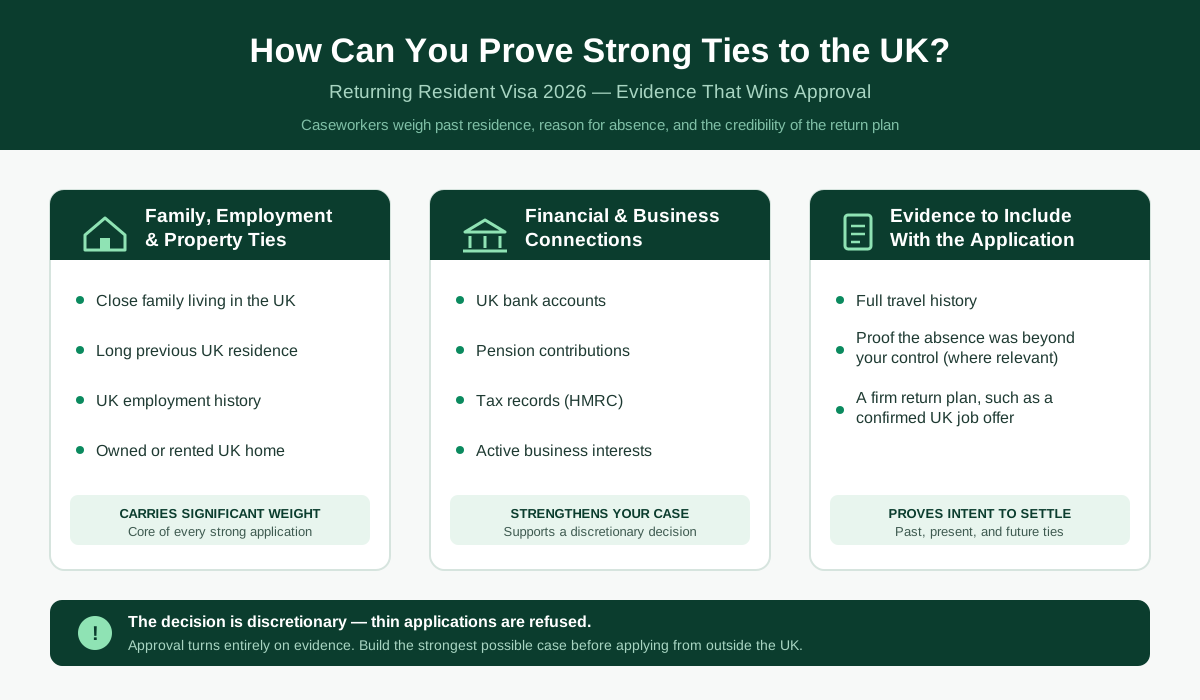
How Can You Prove Strong Ties to the UK- Returning Resident Visa?
Approval for this route turns entirely on the quality and depth of the provided evidence. Home Office caseworkers meticulously weigh the length of the applicant past residence, the specific reasons for their prolonged absence, and the overall credibility of their plan to resettle; poorly documented or thin applications are routinely refused.
- Family, employment, and property ties: Close family members currently living in the UK, a lengthy period of previous residence, an established UK employment history, and an owned or continually rented home all carry significant weight in demonstrating an ongoing commitment to the country.
- Financial and business connections: Maintaining active UK bank accounts, making ongoing pension contributions, keeping up-to-date tax records, and holding active business or investment interests significantly strengthen the foundation of this highly discretionary application.
- Evidence to include: Applicants must provide a comprehensive travel history, clear documentation showing that the extended absence was necessary or beyond the applicant control where relevant, and concrete proof of a firm return plan, such as a confirmed UK job offer, school enrollments for children, or finalized housing arrangements.
Review our UK ILR document checklist to ensure your application includes all necessary supporting evidence.
┈┈┈┈┈┈┈┈┈┈┈┈┈┈┈┈┈┈┈┈┈┈┈┈┈┈┈┈┈┈┈┈┈┈┈┈┈┈┈┈┈┈┈┈┈┈┈
How Do You Apply for a UK Returning Resident Visa?
Once an employee Indefinite Leave to Remain has lapsed, the only lawful way to return and resettle is to apply for a Returning Resident visa from outside the United Kingdom under Appendix Returning Resident. The application itself is completed online, but approval depends just as much on the quality of the supporting evidence as on filling in the form correctly, so the documentation is best prepared before the application is even started.
- Submitting the Online Declaration: Initiated outside the UK via GOV.UK, this step requires a precise global travel history to avoid system flags and payment of the £682 application fee.
- Uploading the Digital Evidence Portfolio: Upload your documents securely before your appointment. This includes proof of ongoing UK ties, past passports, and a certified tuberculosis (TB) test result if applying from a flagged jurisdiction.
- Attending Biometric Verification: In-person identity verification is mandatory. Applicants must attend an overseas Visa Application Centre (VAC) to register their fingerprints and facial biometrics, officially starting the processing timeline.
- Decision and eVisa Activation: Standard processing takes approximately three weeks. Approved applicants receive a short-term travel vignette and must activate their permanent digital eVisa via their UKVI account upon crossing the UK border.
┈┈┈┈┈┈┈┈┈┈┈┈┈┈┈┈┈┈┈┈┈┈┈┈┈┈┈┈┈┈┈┈┈┈┈┈┈┈┈┈┈┈┈┈┈┈┈
How Can You Avoid Losing ILR During an Overseas Assignment?
Prevention is always less costly and complex than navigating the formal restoration process. Most ILR lapse cases that we encounter stem from multi-year international secondments that were initially planned without conducting a thorough preliminary immigration review.
- Plan before the move: Check assignment length against the two-year limit at the briefing stage. For postings likely to exceed it, consider British citizenship before departure.
- Short visits to the UK: A genuine return resets the two-year clock, but repeated token visits may not satisfy the Home Office that the UK remains the employee real home.
- Document travel history: Keep entry and exit dates, boarding passes, and tenancy or payroll records so continuity of residence can be proven if questioned.
Related reading: ILR vs British citizenship: employer guide.
┈┈┈┈┈┈┈┈┈┈┈┈┈┈┈┈┈┈┈┈┈┈┈┈┈┈┈┈┈┈┈┈┈┈┈┈┈┈┈┈┈┈┈┈┈┈┈
How Risky Is Each Overseas Assignment Length for ILR Holders?
Assignment length is the single most reliable predictor of ILR lapse. Map every proposed posting against this matrix at the planning stage, before contracts are signed and relocation budgets are approved. Doing so converts an unpredictable compliance risk into a scheduled, manageable checkpoint within your mobility programme.
Overseas assignment length vs ILR lapse risk
In practice, the 18-month review is the checkpoint that matters most; teams that act at this stage rarely reach the critical threshold.
Related reading: UK ILR eligibility calculator for employers.
┈┈┈┈┈┈┈┈┈┈┈┈┈┈┈┈┈┈┈┈┈┈┈┈┈┈┈┈┈┈┈┈┈┈┈┈┈┈┈┈┈┈┈┈┈┈┈
Should HR Apply for a Returning Resident Visa or Sponsor a New Skilled Worker Visa?
Not every lapsed ILR case justifies a Returning Resident application. The correct route depends on the strength of the employee UK ties, their long-term intentions, and the commercial urgency of the role. Selecting the wrong route wastes months of processing time and non-refundable fees, so this assessment should take place before any application is submitted.
Returning Resident visa vs Skilled Worker sponsorship: decision table
Where the assessment is finely balanced, seek advice before committing to either route; a refused Returning Resident application can complicate a subsequent sponsorship case. Check our UK ILR employer guide: how to support employees.
┈┈┈┈┈┈┈┈┈┈┈┈┈┈┈┈┈┈┈┈┈┈┈┈┈┈┈┈┈┈┈┈┈┈┈┈┈┈┈┈┈┈┈┈┈┈┈
What Happens After Your Returning Resident Visa Is Approved?
While approval successfully restores settlement status, the employee must diligently complete the necessary digital status verification steps before travelling back to the UK and before officially returning to work.
- Receiving the UK eVisa: Approved applicants will receive a 90-day entry vignette in their passport to facilitate their initial travel, and they must promptly create or update a UKVI account to securely access their digital eVisa, as physical Biometric Residence Permits (BRPs) are no longer issued.
- Proving immigration status: The restored immigration status is now evidenced entirely through the online View and Prove service, where the employee must generate a unique digital share code to verify their rights for prospective employers and landlords.
- Returning to work: Full unrestricted work rights resume the moment settlement is officially restored, but your HR team must strictly complete a fully compliant Right to Work check using the new share code before the employee first actual working day.
Ensure your compliance processes are up to date with our HR checklist on conducting Right to Work checks after ILR.
┈┈┈┈┈┈┈┈┈┈┈┈┈┈┈┈┈┈┈┈┈┈┈┈┈┈┈┈┈┈┈┈┈┈┈┈┈┈┈┈┈┈┈┈┈┈┈
What Should HR Teams Know About Employees with Lapsed ILR?
A lapsed ILR represents a significant corporate compliance risk, not just a personal inconvenience for the employee. Employing an individual without valid immigration status directly exposes your organization to severe civil penalties of up to £60,000 per illegal worker.
- Right to Work checks: An employee with a lapsed ILR will automatically fail the mandatory online verification check. Employers must not rely on old BRPs or historical right to work records; instead, you must completely re-check their eligibility via a fresh share code once their settlement status is formally restored.
- Supporting the application: Providing a detailed employer letter confirming an ongoing or future UK role materially strengthens the applicant required evidence of ties to the country. Global mobility teams should actively help the employee compile accurate absence records and comprehensive payroll history to support their case.
- When sponsorship is needed instead: If the Returning Resident application is unfortunately refused, a standard Skilled Worker visa may be the only viable fallback option; therefore, HR teams should proactively budget for necessary sponsorship licenses and Certificate of Sponsorship (CoS) costs early in the planning process.
┈┈┈┈┈┈┈┈┈┈┈┈┈┈┈┈┈┈┈┈┈┈┈┈┈┈┈┈┈┈┈┈┈┈┈┈┈┈┈┈┈┈┈┈┈┈┈
How Can Global Mobility Teams Help Protect Employee Settlement - Returning Resident Visa?
Active settlement protection firmly belongs formalized within your broader global mobility policy, rather than being managed through ad hoc emails or reactive measures. Implementing three specific operational controls will effectively remove the vast majority of compliance risk.
- Assignment design: Strategically build scheduled UK return trips into the lifecycle of any international posting expected to last longer than 18 months, and ensure you officially record the related settlement review directly in the employee assignment file.
- Absence tracking systems: Implement robust HR software to meticulously track continuous absence per ILR holder, and ensure you set automated internal alerts at the 18-month mark, providing ample buffer time well before the critical two-year threshold is reached.
- Funding applications: Voluntarily covering the £682 Returning Resident visa application fee is a surprisingly modest retention cost when compared with the significant expense of fully re-sponsoring the same employee on a new visa. In practice, employers who choose to fund this process recover the investment in employee goodwill and loyalty many times over.
┈┈┈┈┈┈┈┈┈┈┈┈┈┈┈┈┈┈┈┈┈┈┈┈┈┈┈┈┈┈┈┈┈┈┈┈┈┈┈┈┈┈┈┈┈┈┈
What Are the Key Takeaways for Employees and Employers - ILR Expiry and Recovery?
The Golden Rule: The expiration of your ILR status is entirely preventable, and restoring it is possible. However, both of these outcomes depend on taking proactive action before deadlines pass, rather than scrambling to fix the issue after a refusal.
1. The Basics of ILR Expiry and Recovery
Understanding the strict rules surrounding ILR is the first step in protecting it.
- When Does ILR Lapse? Your ILR status will be lost automatically if you spend two continuous years outside of the UK. It is crucial to remember that the Home Office does not send warnings or reminders when you are approaching this two-year mark. The responsibility falls entirely on the individual.
- The Returning Resident Visa: If your ILR has already lapsed and you want to resettle in the UK, you cannot simply travel back on your old status. You must apply for a Returning Resident visa.
- Where to apply: You must apply from outside the UK.
- Cost: The current application fee is £682.
- Timeline: Processing typically takes about three weeks.
2. How Employees Can Protect Their Settlement Status
If you hold ILR, you must actively maintain your ties to the UK to keep your status valid, especially if you travel frequently or work abroad.
- Make Genuine Returns: You must return to the UK periodically before the two-year mark. These visits must be genuine (e.g., showing a real intention to maintain your life in the UK), not just brief layovers at an airport.
- Document Your Travel: Keep a meticulous record of your travel history. Save boarding passes, flight itineraries, and passport stamps to prove exactly when you left and re-entered the country.
- Consider Citizenship: If you know you will be taking a long-term overseas work assignment, consider applying for British Citizenship before you leave. Unlike ILR, citizenship cannot lapse due to time spent abroad.
3. How Employers and HR Can Reduce Compliance Risk
For employers, an employee losing their ILR status can lead to compliance failures, illegal working penalties, and project delays.
- Track Absences: Implement an internal system to monitor the extended absences of employees who hold ILR, ensuring they do not accidentally cross the two-year threshold while on an overseas posting.
- Conduct Pre-Assignment Reviews: Before sending an employee on a long-term international assignment, review their immigration status. If they are at risk of losing their ILR, explore options like naturalization (citizenship) first.
- Perform Compliant Right to Work Checks: When an employee returns from a long overseas assignment, ensure you conduct a fresh, compliant Right to Work re-check to confirm their ILR has not lapsed during their time away.
┈┈┈┈┈┈┈┈┈┈┈┈┈┈┈┈┈┈┈┈┈┈┈┈┈┈┈┈┈┈┈┈┈┈┈┈┈┈┈┈┈┈┈┈┈┈┈
Disclaimer: Immigration rules change quite frequently; please verify with official sources or contact us for the latest info before making any decisions.
Frequently Asked Questions: ILR Expiry and the UK Returning Resident Visa

.svg)
.svg)