


KEY TAKEAWAYS
- The UK points-based system (PBS) is the entry gate: it decides who can come to work or study, route by route.
- "Points-based" works two ways,Skilled Worker and Student use tradeable points; Global Talent, HPI and Innovator qualify by endorsement or qualification.
- Sponsored routes (Skilled Worker, Health and Care, Global Business Mobility, Scale-up) need a sponsor licence; Global Talent and HPI do not.
- 2026 raised the bar: B2 English from 8 January, Immigration Skills Charge up to £1,320/£480, and a 10-year settlement baseline.
- Match the hire to the right route first,the wrong route costs weeks and can mean a refused application.
Navigating the UK Points-Based Immigration System
Finding a candidate with the right skills and salary is only half the battle. For HR teams, the real hurdle is choosing the correct visa track and knowing whether your business needs a sponsor licence to hire them.
The UK points-based immigration system (PBS) is the UK's post-Brexit entry system, live since December 2020. It replaced free movement and the old Tier system with one rule set for hiring from anywhere in the world.
┈┈┈┈┈┈┈┈┈┈┈┈┈┈┈┈┈┈┈┈┈┈┈┈┈┈┈┈┈┈┈┈┈┈┈┈┈┈┈┈┈┈┈┈┈┈┈
What the points-based system actually is
PBS is the universal framework that grades all overseas applicants against strict operational criteria. However, points are calculated differently depending on the specific track. The system uses two main models:
- Tradeable Points: Visas like the standard Skilled Worker visa require applicants to clear a specific numerical score based on a combined breakdown of their job offer, skill level, salary, and English fluency.
- Endorsement or Qualification: Routes like the Global Talent visa or High Potential Individual (HPI) visa do not rely on salary thresholds or corporate sponsorship. Instead, candidates qualify independently based on top-tier university rankings or official industry endorsements.
Recognizing this basic distinction eliminates the guesswork, allowing your global mobility team to pick the most efficient hiring route every time.
┈┈┈┈┈┈┈┈┈┈┈┈┈┈┈┈┈┈┈┈┈┈┈┈┈┈┈┈┈┈┈┈┈┈┈┈┈┈┈┈┈┈┈┈┈┈┈

┈┈┈┈┈┈┈┈┈┈┈┈┈┈┈┈┈┈┈┈┈┈┈┈┈┈┈┈┈┈┈┈┈┈┈┈┈┈┈┈┈┈┈┈┈┈┈
How Points Decide Who Gets a Visa
For sponsored corporate tracks, the logic is straightforward. Your candidate must earn a specific number of points, split into two categories:
- Mandatory Points: The non-negotiable basics. This means having a valid job offer from your business, a role at the required skill level, and meeting the baseline English language requirement.
- Tradeable Points: The flexible options. Most candidates clear this through their salary level, but you can also use alternatives like a relevant PhD or a role on the government's shortage list.
To secure a Skilled Worker visa, an applicant needs a combined total of 70 points (50 mandatory and 20 tradeable). We break down every point in our guide on how the UK Skilled Worker points system works.
Keep in mind that most employment tracks require your business to hold a valid sponsor licence before you can issue a Certificate of Sponsorship (CoS). However, choosing a route that bypasses corporate sponsorship completely alters your timeline, costs, and administrative workload.
┈┈┈┈┈┈┈┈┈┈┈┈┈┈┈┈┈┈┈┈┈┈┈┈┈┈┈┈┈┈┈┈┈┈┈┈┈┈┈┈┈┈┈┈┈┈┈
UK points-based routes at a glance (2026)
┈┈┈┈┈┈┈┈┈┈┈┈┈┈┈┈┈┈┈┈┈┈┈┈┈┈┈┈┈┈┈┈┈┈┈┈┈┈┈┈┈┈┈┈┈┈┈
Do You Actually Need a Sponsor Licence?
This decision defines your entire international hiring process:
- Sponsored Tracks: Visas like the Skilled Worker, Health and Care Worker, or Global Business Mobility routes require your business to act as the direct sponsor. You must hold a valid corporate sponsor licence, issue a Certificate of Sponsorship, and handle ongoing reporting duties.
- Unsponsored Tracks: Visas like the Global Talent, High Potential Individual (HPI), or Innovator Founder tracks bypass employer intervention completely. They require no company licence, no formal job offer upfront, and leave your team with zero compliance tracking duties.
The Project Buffer: A standard sponsor licence application takes around 8 weeks to process, though you can pay an optional priority fee to fast-track it down to 10 working days. If you plan to hire even two international candidates a year, securing a licence is well worth the investment; just launch the application long before your candidate's target start date to avoid onboarding delays.
┈┈┈┈┈┈┈┈┈┈┈┈┈┈┈┈┈┈┈┈┈┈┈┈┈┈┈┈┈┈┈┈┈┈┈┈┈┈┈┈┈┈┈┈┈┈┈
Sponsorship and cost signals by route

┈┈┈┈┈┈┈┈┈┈┈┈┈┈┈┈┈┈┈┈┈┈┈┈┈┈┈┈┈┈┈┈┈┈┈┈┈┈┈┈┈┈┈┈┈┈┈
Which Visa route should you use?
To select the right track, ask yourself two questions: What is the specific job role? and Do you want to sponsor them?
- Standard Corporate Roles: The Skilled Worker visa is the default choice. It covers most graduate-level jobs and offers a clear path to permanent settlement.
- Healthcare & Social Care: Use the Health and Care Worker visa. Note that new overseas sponsorship is limited to graduate-level (RQF Level 6) professions or specific shortage-list roles.
- Internal Transfers: The Global Business Mobility track is designed specifically for moving existing employees from an international office to the UK branch.
- Hiring Without Sponsorship: The Global Talent visa and High Potential Individual (HPI) routes require no company licence and no initial job offer.
The Control vs. Speed Trade-off: Unsponsored routes are fast, but you trade away retention control. A Global Talent hire can leave for a competitor on their very first day, whereas a Skilled Worker remains legally tied to your business sponsorship.
Unsure which framework fits your candidate? Use our quick pre-hiring eligibility check to map your next hire to the right route in minutes.
┈┈┈┈┈┈┈┈┈┈┈┈┈┈┈┈┈┈┈┈┈┈┈┈┈┈┈┈┈┈┈┈┈┈┈┈┈┈┈┈┈┈┈┈┈┈┈
The graduate pipeline most employers miss
Some of your strongest international candidates are already in the UK. Hiring someone who is switching from a Student or Graduate visa allows you to tap into the discounted new entrant salary rate (£33,400), making them significantly more affordable to sponsor.
The Operational Catch:
- Strict Timing: You must submit the Skilled Worker application before their current student visa expires.
- Work Restrictions: A student cannot step into a full-time corporate role until their visa switch application is officially submitted to the Home Office.
Check out our UK visa switch guide to see how Section 3C rules legally protect your candidate's immigration status and right to work while their application is processing.
┈┈┈┈┈┈┈┈┈┈┈┈┈┈┈┈┈┈┈┈┈┈┈┈┈┈┈┈┈┈┈┈┈┈┈┈┈┈┈┈┈┈┈┈┈┈┈
What changed in 2026
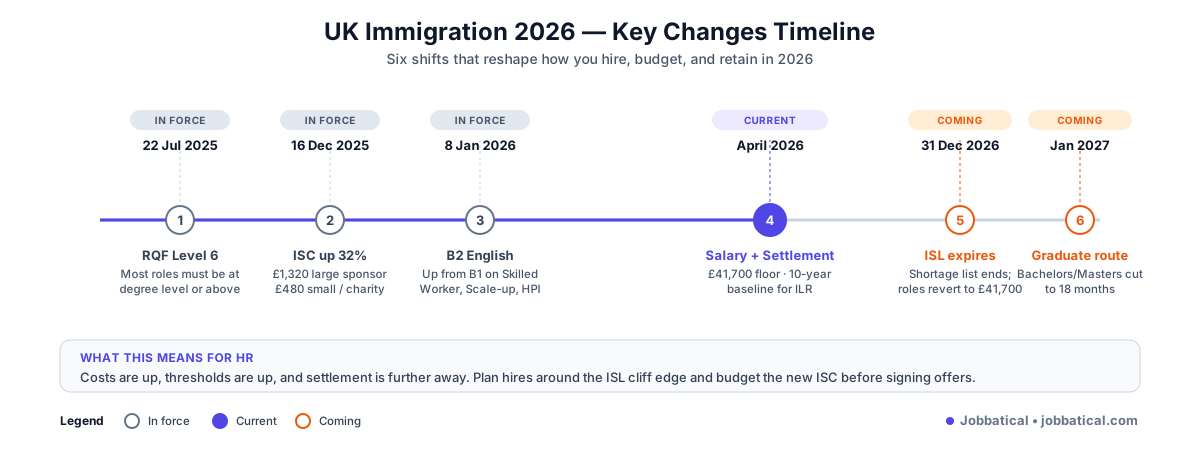
UK immigration rules have tightened across the board. The key operational updates affecting your corporate hiring budgets and onboarding timelines include:
- Higher English Standards: Skilled Worker, Scale-up, and HPI applicants must now prove an upper-intermediate B2 level of English fluency (up from B1).
- Increased Sponsor Costs: The Immigration Skills Charge (ISC) has risen to £1,320 per year for large businesses and £480 per year for small or charitable organizations.
- Elevated Salary Floors: The baseline salary threshold for a standard Skilled Worker visa is now £41,700 or the job code's specific going rate—whichever is higher.
- Strict Skill Minimums: Most sponsored corporate positions must meet RQF Level 6 (bachelor's degree equivalent).
- Shrinking Shortage Lists: The Immigration Salary List (ISL) is set to fully expire on December 31, 2026, limiting your future options for salary discounts.
- Extended Settlement Timelines: Under the UK's new earned settlement model, the baseline path to permanent residency (ILR) is expanding from five to 10 years for most workers.
Entry vs. Settlement: Remember Initial visa entry points and the new permanent settlement criteria are different things. Its important to understand rules for both for getting your international talent into the UK today.
Qualifying for permanent residency is a separate legal test handled years later covered in our earned settlement update.
┈┈┈┈┈┈┈┈┈┈┈┈┈┈┈┈┈┈┈┈┈┈┈┈┈┈┈┈┈┈┈┈┈┈┈┈┈┈┈┈┈┈┈┈┈┈┈
Routes that sit outside the points system
Not every UK route runs on points. The Join Ship visa for seafarers, the Youth Mobility Scheme, and standard visitor visas all fall outside the PBS, with no licence and no points test. If a role fits one of those, you skip the sponsorship machinery entirely.
For the official overview, see the GOV.UK points-based system employer guide and the Skilled Worker visa pages.
┈┈┈┈┈┈┈┈┈┈┈┈┈┈┈┈┈┈┈┈┈┈┈┈┈┈┈┈┈┈┈┈┈┈┈┈┈┈┈┈┈┈┈┈┈┈┈
Match your next hire to the right route
Picking the wrong route costs weeks, and sometimes a refused application and a lost hire. Jobbatical team matches each candidate to the right points-based route, confirms the skill and salary requirements, and runs the sponsorship end to end.
Disclaimer: Immigration rules change quite frequently; please verify with official sources or contact us for the latest info before making any decisions.
┈┈┈┈┈┈┈┈┈┈┈┈┈┈┈┈┈┈┈┈┈┈┈┈┈┈┈┈┈┈┈┈┈┈┈┈┈┈┈┈┈┈┈┈┈┈┈
Frequently Asked Questions: UK Points-Based Immigration System
What is the UK points-based immigration system?
It is the UK's post-Brexit entry framework, live since December 2020. It scores applicants against fixed criteria across several work and study routes, and only those who reach the required points qualify to enter the UK.
Which UK visa routes are points-based?
The main employer routes are Skilled Worker, Health and Care Worker, Global Business Mobility, and Scale-up. Global Talent, High Potential Individual, Innovator Founder, and Student also sit within the system, though several qualify by endorsement rather than tradeable points.
Do I need a sponsor licence to hire under the points-based system?
For most work routes, yes. Skilled Worker, Health and Care Worker, and Global Business Mobility all require a sponsor licence. Global Talent and High Potential Individual do not, since they need no job offer and place no ongoing duties on you.
How many points does the Skilled Worker route need?
Seventy points: 50 mandatory (job offer from a licensed sponsor, a role at RQF Level 6, and B2 English) plus 20 tradeable points, usually from salary. Shortage-list roles and a relevant PhD can also make up the tradeable 20.
Is the Global Talent visa points-based?
It sits within the points-based system but does not use the tradeable salary model. Applicants qualify through endorsement by a recognised UK body, or an eligible award. No job offer or sponsor licence is required, which makes it the most flexible route.
What changed in the points-based system in 2026?
English rose to B2 from 8 January 2026, the Immigration Skills Charge increased to £1,320 (large) and £480 (small) from 16 December 2025, RQF Level 6 applies to most roles, and the standard settlement period moved to 10 years from April 2026.

.svg)
.svg)