.svg)



KEY TAKEAWAYS
- Most EU Blue Card compliance failures happen between application and renewal, not at filing
- Salary must stay above the threshold throughout the permit's validity, not just at hire
- Employer changes inside 12 months require authority approval; after 12 months, notification is usually enough
- A 3-month grace period typically applies after job loss; missed deadlines void the permit
- Intra-EU mobility kicks in after 12 to 18 months depending on country and rulesnever assume automatic transfer
EU Blue Card Compliance: HR Scenarios Solved
EU Blue Card compliance does not end at visa approval. Because salary thresholds vary by country and change annually, managing these permits requires ongoing tracking across every salary review, contract change, or promotion.
Below is how to handle a critical salary compliance scenario across EU member states.
┈┈┈┈┈┈┈┈┈┈┈┈┈┈┈┈┈┈┈┈┈┈┈┈┈┈┈┈┈┈┈┈┈┈┈┈┈┈┈┈┈┈┈┈┈┈┈┈┈
Category: Employment & Contract Changes
Scenario 1: Salary Drops Below the Threshold Mid-Contract
- The Risk: The Blue Card salary threshold must be maintained for the entire duration of the permit—not just during the initial application. Any pay cut, bonus restructuring, or reduction in hours that drops the employee's gross salary below their host country's legal limit can trigger an immediate visa revocation.
- HR Action Plan:
- Restructure Base Pay: Adjust the compensation structure to keep the fixed gross salary safely above that specific country's annual minimum threshold.
- Notify Authorities Immediately: Report the salary change to the local immigration authority before it takes effect, as required by EU directives.
- Switch to a National Permit: If the salary cannot meet the Blue Card minimum, proactively transition the employee to a standard national work permit before a compliance gap occurs.
Related read:
The Spanish version of this scenario, with the 30-day UGE-CE reporting window and the 2026 thresholds: EU Blue Card salary threshold breaches mid-contract in Spain
┈┈┈┈┈┈┈┈┈┈┈┈┈┈┈┈┈┈┈┈┈┈┈┈┈┈┈┈┈┈┈┈┈┈┈┈┈┈┈┈┈┈┈┈┈┈┈┈┈
Category: Changing Employers & Promotions
Scenario 2: Switching Employers in the First 12 Months (Germany)
- The Rule: Within the first year of holding a German Blue Card, the Ausländerbehörde must review any job change. The authority has up to 30 days to approve or suspend the switch. After the 12-month mark, you can switch jobs without prior approval.
- HR Action Plan: File the employer-change application before the new contract starts. Never allow the employee to begin work during the 30-day review window. Read the full process in our guide to the EU Blue Card employer change in Germany.
┈┈┈┈┈┈┈┈┈┈┈┈┈┈┈┈┈┈┈┈┈┈┈┈┈┈┈┈┈┈┈┈┈┈┈┈┈┈┈┈┈┈┈┈┈┈┈┈┈
Scenario 3: Switching Employers (Spain)
- The Rule: Spain does not use a simple notification system. A new employer requires a full permit modification application, and the worker cannot legally start until it is approved. Our Spain EU Blue Card guide covers the full process.
- The Exception: Corporate transfers where the employment relationship remains intact under Article 44 of the Workers' Statute.
- HR Action Plan: Apply 4 to 8 weeks before the new role begins to prevent onboarding gaps.
┈┈┈┈┈┈┈┈┈┈┈┈┈┈┈┈┈┈┈┈┈┈┈┈┈┈┈┈┈┈┈┈┈┈┈┈┈┈┈┈┈┈┈┈┈┈┈┈┈
Scenario 4: Promotion Into an "Unqualified" Role
- The Risk: Promoting a Blue Card holder into a management position with broader corporate duties can break the legal link between their day-to-day role and the specific university degree that qualified them for the visa.
- HR Action Plan: Flag promotions to your global mobility lead at the offer stage, not after the contract is signed. Compare the new job description against the qualification on file; if they clash, request a formal permit reassessment from the immigration office.
┈┈┈┈┈┈┈┈┈┈┈┈┈┈┈┈┈┈┈┈┈┈┈┈┈┈┈┈┈┈┈┈┈┈┈┈┈┈┈┈┈┈┈┈┈┈┈┈┈
Category: Salary, Hours, & Work Models
Scenario 5: Recent Graduate Hires & Reduced Thresholds
- The Rule: Many EU countries offer a lower salary threshold for "new entrants" who earned their degree within the last 3 years. (For example, Germany’s 2026 reduced threshold is €45,934.20 for graduates, IT specialists, and shortage roles).
- HR Action Plan: Always calculate the 3-year window against the visa application submission date, not the candidate's actual job start date.
┈┈┈┈┈┈┈┈┈┈┈┈┈┈┈┈┈┈┈┈┈┈┈┈┈┈┈┈┈┈┈┈┈┈┈┈┈┈┈┈┈┈┈┈┈┈┈┈┈
Scenario 6: Adding a Second Part-Time Job
- The Rule: Secondary employment is permitted in most EU states, but the primary contract must independently continue to meet all Blue Card salary and hour requirements on its own. See our breakdown on part-time and additional employment under the EU Blue Card.
- HR Action Plan: * Ensure the side job never reduces hours on the primary contract.
- Check local rules before the employee starts; many countries require formal immigration approval for side gigs, particularly for freelance or self-employed work.
┈┈┈┈┈┈┈┈┈┈┈┈┈┈┈┈┈┈┈┈┈┈┈┈┈┈┈┈┈┈┈┈┈┈┈┈┈┈┈┈┈┈┈┈┈┈┈┈┈
Scenario 7: Hybrid Work Compliance
- The Risk: Hybrid work is a major compliance blind spot. Some EU nations enforce strict location rules; for instance, Bulgaria requires contracts to explicitly state either 100% remote or 100% office work—leaving hybrid setups legally exposed.
- HR Action Plan: Verify national remote-work laws before offering a flexible schedule. If a worker's setup changes mid-permit, update the contract and notify the immigration office immediately so the physical workplace matches their visa record.
Category: Life Events & Job Loss
Scenario 8: Redundancy & Job Loss
- The Rule: Most EU countries grant a 3-month grace period for a redundant employee to find a new qualifying Blue Card role before their visa faces revocation.
- HR Action Plan: Notify local immigration authorities immediately when the redundancy is finalized to accurately log the start of the grace period window.
Grace periods after job loss, by country

┈┈┈┈┈┈┈┈┈┈┈┈┈┈┈┈┈┈┈┈┈┈┈┈┈┈┈┈┈┈┈┈┈┈┈┈┈┈┈┈┈┈┈┈┈┈┈┈┈
Scenario 9: Extended Parental Leave
- The Rule: Taking parental leave does not invalidate a Blue Card. The underlying employment contract remains active, and most EU states count this period toward the 5-year permanent residency track.
- HR Action Plan: Ensure the official contracted salary remains above the legal threshold on paper, even if actual payouts drop temporarily during the leave.
┈┈┈┈┈┈┈┈┈┈┈┈┈┈┈┈┈┈┈┈┈┈┈┈┈┈┈┈┈┈┈┈┈┈┈┈┈┈┈┈┈┈┈┈┈┈┈┈┈
Scenario 10: Spousal Work Rights
- The Rule: In most EU states, spouses of Blue Card holders receive immediate, unrestricted access to the local labor market without needing a separate work permit or labor market test.
- HR Action Plan: Process family reunification visas concurrently with the primary Blue Card application to ensure a seamless relocation for the entire household.
Category: Mobility, Qualifications, & Renewals
Scenario 11: Cross-Border Transfers (e.g., Germany to France)
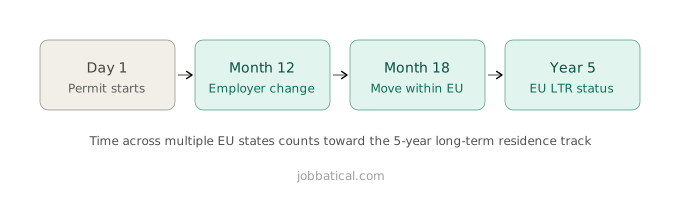
- The Rule: Under intra-EU mobility laws, a holder can move to a new EU country after a set period (typically 12 to 18 months) without restarting the entire immigration process from scratch. Full detail in our guide to EU Blue Card mobility after 18 months.
- HR Action Plan: File the new application within 1 month of the employee's arrival. Skip baseline background checks by leveraging their previous country records, but verify their contract meets the new host nation's threshold (e.g., €59,373 in France).
┈┈┈┈┈┈┈┈┈┈┈┈┈┈┈┈┈┈┈┈┈┈┈┈┈┈┈┈┈┈┈┈┈┈┈┈┈┈┈┈┈┈┈┈┈┈┈┈┈
Scenario 12: Unrecognized University Degrees
- The Risk: Applications will completely stall on Day Zero if a candidate’s degree is not officially recognized by the host country's validation system.
- HR Action Plan: Run mandatory qualification checks before extending an offer (e.g., check Germany’s Anabin database or request a Dutch Nuffic evaluation). For tech roles, check if the country allows a professional experience pathway (like Germany's IT exception) instead.
┈┈┈┈┈┈┈┈┈┈┈┈┈┈┈┈┈┈┈┈┈┈┈┈┈┈┈┈┈┈┈┈┈┈┈┈┈┈┈┈┈┈┈┈┈┈┈┈┈
Scenario 13: Earning a Higher Degree Mid-Application
- The Opportunity: If an experience-based applicant finishes a degree (like a Master's) while their case is pending, you can use it to speed up the timeline.
- HR Action Plan: Do not withdraw and restart the case. Submit a formal request for an "in-flight upgrade" to shift the file into a faster academic processing queue.
┈┈┈┈┈┈┈┈┈┈┈┈┈┈┈┈┈┈┈┈┈┈┈┈┈┈┈┈┈┈┈┈┈┈┈┈┈┈┈┈┈┈┈┈┈┈┈┈┈
Scenario 14: Missing the Renewal Deadline
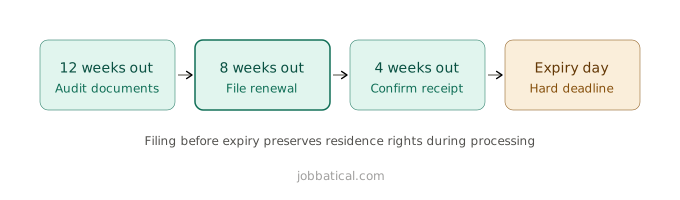
- The Risk: Filing even a day late creates an illegal status gap. It forces the employee to immediately stop working and can turn a simple renewal into a complex, multi-month new application.
- HR Action Plan: Initiate the renewal process 8 weeks before expiry. In states like Germany, a timely filing generates an automatic placeholder (Fiktionsbescheinigung) that legally preserves their right to work.
The same filing deadline applies when switching permit types: ICT Card expiry lead times for HR.
┈┈┈┈┈┈┈┈┈┈┈┈┈┈┈┈┈┈┈┈┈┈┈┈┈┈┈┈┈┈┈┈┈┈┈┈┈┈┈┈┈┈┈┈┈┈┈
Scenario 15: Corporate Mergers & Restructures
- The Rule: Treatment of corporate restructures varies wildly by country. Spain automatically safeguards permit continuity under Article 44 of its Workers' Statute, whereas Germany evaluates entity changes on a strict case-by-case basis.
- HR Action Plan: Document the transfer and notify local immigration offices before the merger or acquisition goes live. Never assume automatic continuity without written confirmation from the authorities.
┈┈┈┈┈┈┈┈┈┈┈┈┈┈┈┈┈┈┈┈┈┈┈┈┈┈┈┈┈┈┈┈┈┈┈┈┈┈┈┈┈┈┈┈┈┈┈
What this means for your compliance setup
The pattern across these 15 scenarios is simple: compliance isn't a one-time application. It's a permission that has to be re-earned every quarter through clean records, clean payroll, and timely notifications. One missed deadline costs more than the original application feesometimes the whole employee.
Disclaimer: Immigration rules change quite frequently; please verify with official sources or contact us for the latest info before making any decisions.
Frequently Asked Questions: EU Blue Card Compliance
What triggers an EU Blue Card revocation?
The most common triggers are salary dropping below the national threshold, the role changing into one that no longer matches the qualification, termination of employment without finding a new qualifying role within the grace period, and failure to renew on time. Authorities can revoke if any of these go unreported.
How long is the grace period after a Blue Card holder loses their job?
Most EU member states grant a 3-month grace period to secure a new qualifying role. Germany follows this rule. France requires registration with Pôle Emploi within 1 month of job loss to preserve the right to stay. Authorities must be notified during the grace period, not after.
Does parental leave affect EU Blue Card validity?
No. Parental leave does not break the Blue Card. What matters is the active employment relationship, not whether the employee is physically working. Keep the contract and salary records compliant, and confirm that leave periods count toward permanent residence eligibility in your country.
When can a Blue Card holder move to another EU country?
After 12 months in the first member state, intra-EU mobility for highly qualified employment becomes possible under simplified rules. After 18 months in Germany, the employee can apply for a new Blue Card in another country. The new state's salary threshold and rules apply, and notification must happen within 1 month of arrival.
Can an EU Blue Card holder take a second part-time job?
Usually yes, as long as the primary employment stays at or above the salary threshold and remains the qualifying role. Some countries require employer or immigration office notification. Freelance or self-employed work generally needs a separate approval. Always check the national rule before signing the second contract.
What happens if a renewal is filed after the Blue Card expires?
In Germany, filing before expiry triggers a Fiktionsbescheinigung that preserves residence rights during processing. A late filing creates a legal status gap, and the employee may need to stop working until the reapplication is accepted. In Spain, late renewals can convert into a fresh application, adding 2-3 months to processing.
Does a transfer of undertaking break the Blue Card?
In Spain, Article 44 of the Workers' Statute allows the Blue Card to continue through a transfer of undertaking without a new application. Germany handles this case-by-case. Always notify immigration authorities before the transfer date and document the continuity formally to avoid revocation risk.

.svg)
.svg)