


KEY TAKEAWAYS
- The UK closed overseas recruitment for care workers (SOC 6135) and senior care workers (SOC 6136) on 22 July 2025. As of 2026 it remains closed, with no reversal announced.
- You can still sponsor people already in the UK, existing workers extending or changing employer, and in-country switchers who have been on your payroll for at least three months until 22 July 2028.
- The April 2025 "recruit locally first / regional partnership" rule was overtaken by the full closure and is no longer a mandatory gate; regional partnerships now mainly help place displaced workers.
- Care roles keep a lower salary floor: £25,000/year or £12.82/hour, versus £41,700 for the general Skilled Worker route. Cost deductions can't count toward it.
- Compliance risk is high as sponsor licence revocations hit record levels in 2026 so HR should prioritise in-country recruitment, retention and airtight sponsor-duty records.
No, the UK is not recruiting overseas care workers in 2026. The UK permanently closed the care worker visa route to new overseas applicants on 22 July 2025. Throughout 2026, UK employers cannot recruit or sponsor new care workers (SOC 6135) or senior care workers (SOC 6136) from outside the country.
The UK government ended this immigration route to reduce net migration and stop workforce exploitation, effectively eliminating the international talent pool for new social care hires from abroad.
Key updates for UK care employers in 2026:
- In-country hiring: You can only sponsor care workers already residing in the UK, and only for a limited transition window.
- Strict compliance: Care providers must meet updated salary thresholds and follow strict UK visa sponsorship rules.
- Final deadlines: Employers must prepare for the final dates to legally extend or switch existing overseas care staff.
┈┈┈┈┈┈┈┈┈┈┈┈┈┈┈┈┈┈┈┈┈┈┈┈┈┈┈┈┈┈┈┈┈┈┈┈┈┈┈┈┈┈┈┈┈┈┈
What Changed: Local Rules vs. Full Route Closure
The short-lived April 2025 local recruitment rule required care providers to prove local hiring efforts before sponsoring workers. The July 2025 full closure of the UK care worker visa route replaced this rule, making local proof unnecessary.
Regional care partnerships no longer act as a compliance gate for overseas sponsorship. Instead, they now serve as talent pools connecting employers with displaced UK-based care workers holding valid immigration status.
┈┈┈┈┈┈┈┈┈┈┈┈┈┈┈┈┈┈┈┈┈┈┈┈┈┈┈┈┈┈┈┈┈┈┈┈┈┈┈┈┈┈┈┈┈┈┈
Key UK Care Worker Visa Dates: 2025 to 2028
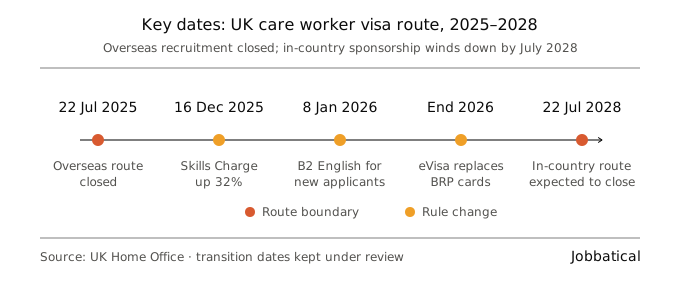
- 22 July 2025: Overseas recruitment permanently closed for care workers (SOC 6135) and senior care workers (SOC 6136).
- 16 December 2025: The Immigration Skills Charge increased by 32 percent, raising the budget needed per sponsored hire.
- 8 January 2026: New visa applicants must meet CEFR Level B2 English language requirements, while existing visa holders extending their stay can continue using a B1 certificate.
- End of 2026: Physical Biometric Residence Permits phase out completely, requiring employers to use digital eVisa share codes for right-to-work checks.
- Until 22 July 2028: Care roles remain on the shortage list, allowing in-country visa switching and extensions for existing UK visa holders.
- After 22 July 2028: SOC 6135 and SOC 6136 roles are expected to leave eligible sponsorship lists, ending in-country extensions unless the UK government extends the transition.
┈┈┈┈┈┈┈┈┈┈┈┈┈┈┈┈┈┈┈┈┈┈┈┈┈┈┈┈┈┈┈┈┈┈┈┈┈┈┈┈┈┈┈┈┈┈┈
Who You Can Still Sponsor: In-Country Rules
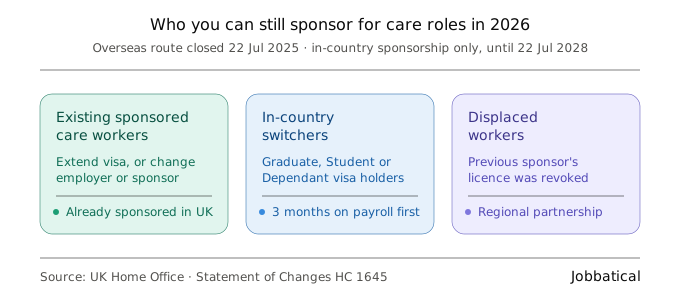
The route remains open for specific UK-based workers. You can sponsor:
- Existing Care Workers: Current visa holders extending or changing employers.
- In-Country Switchers: Individuals holding other valid UK visas (e.g., Student, Graduate) who have worked on your payroll for at least three continuous months (90 days) before receiving a Certificate of Sponsorship (CoS).
- Displaced Workers: Care workers in the UK who lost their previous sponsor and found a new employer via a regional partnership.
Note: Sponsorship for roles below degree level (RQF Level 6) is strictly limited to individuals already in the UK, and they generally cannot bring dependants.
Related read:
Clinical roles such as nurses and doctors remain fully open under the main route , see our complete UK Health and Care Worker visa guide for who's still eligible and how to sponsor them.
┈┈┈┈┈┈┈┈┈┈┈┈┈┈┈┈┈┈┈┈┈┈┈┈┈┈┈┈┈┈┈┈┈┈┈┈┈┈┈┈┈┈┈┈┈┈┈
Salary Rules for Care Workers in 2026
Care and senior care roles have lower salary requirements than the standard £41,700 UK Skilled Worker threshold. When sponsoring care workers:
- The minimum pay is the higher of £25,000 per year or £12.82 per hour.
- Pay must align with the NHS Agenda for Change scales for equivalent roles.
- You cannot deduct immigration or business costs from their salary to meet the minimum threshold.
- Transitional rules may apply for visa extensions, so verify individual cases before applying.
With the closure of the overseas route, the complicated local recruitment proof rule is no longer an obstacle. Employers only need to focus on in-country hiring rules, correct salary thresholds, and the 90-day payroll requirement for visa switchers.
┈┈┈┈┈┈┈┈┈┈┈┈┈┈┈┈┈┈┈┈┈┈┈┈┈┈┈┈┈┈┈┈┈┈┈┈┈┈┈┈┈┈┈┈┈┈┈
Operational Impact on HR and Employers
The closure of the overseas route fundamentally shifts social care workforce strategies:
- Domestic Focus: With the international pool gone for new hires, employers must rely on local recruitment, job centre partnerships, and internal training to fill vacancies.
- Increased In-Country Mobility: Expect more applications from displaced workers, staff switching employers, and existing visa holders seeking supplementary care work.
- Heightened Compliance Risk: The Home Office has drastically increased enforcement against care providers. A revoked sponsor licence means sponsored staff lose their right to work.
- Long-Term Settlement: Retaining compliant, sponsored staff remains valuable, as they can apply for Indefinite Leave to Remain (ILR) after five years.
Related Read:
Read more about the Sponsor Licence for Care Workers: Guide for Healthcare Employers
┈┈┈┈┈┈┈┈┈┈┈┈┈┈┈┈┈┈┈┈┈┈┈┈┈┈┈┈┈┈┈┈┈┈┈┈┈┈┈┈┈┈┈┈┈┈┈
2026 Action Plan for Mid-Sized Care Employers
Stop waiting for overseas applications and pivot your strategy immediately:
- Shift to In-Country Hiring: Redirect recruitment efforts toward domestic pipelines, regional partnerships, and displaced UK-based workers.
- Invest in Retention: Expand training and upskilling programs to reduce turnover and grow talent internally.
- Support Existing Staff: Proactively manage visa extensions and in-country switches before the 2028 transitional deadline.
- Prioritize Strict Compliance: Maintain flawless HR records. Conduct digital eVisa right-to-work checks, monitor attendance, and report changes promptly to protect your sponsor licence.
- Explore Alternative Visas: While care roles are restricted, you can still sponsor registered nurses under the Health and Care visa, and IT or finance staff under the standard UK Skilled Worker visa.
The UK immigration landscape is rapidly changing. Focus on strict compliance and domestic retention to navigate the 2026 reforms and prepare for the final route closure in 2028.
Related Reads:
Explore health care worker visa options- get expert health care visa advice.
Hiring into the UK is more complex now, but far from off the table.
┈┈┈┈┈┈┈┈┈┈┈┈┈┈┈┈┈┈┈┈┈┈┈┈┈┈┈┈┈┈┈┈┈┈┈┈┈┈┈┈┈┈┈┈┈┈┈
Disclaimer: Immigration rules change quite frequently; please verify with official sources or contact us for the latest info before making any decisions.
UK Care Worker Visa Closure 2026: FAQs for Employers and HR

.svg)
.svg)