
KEY TAKEAWAYS
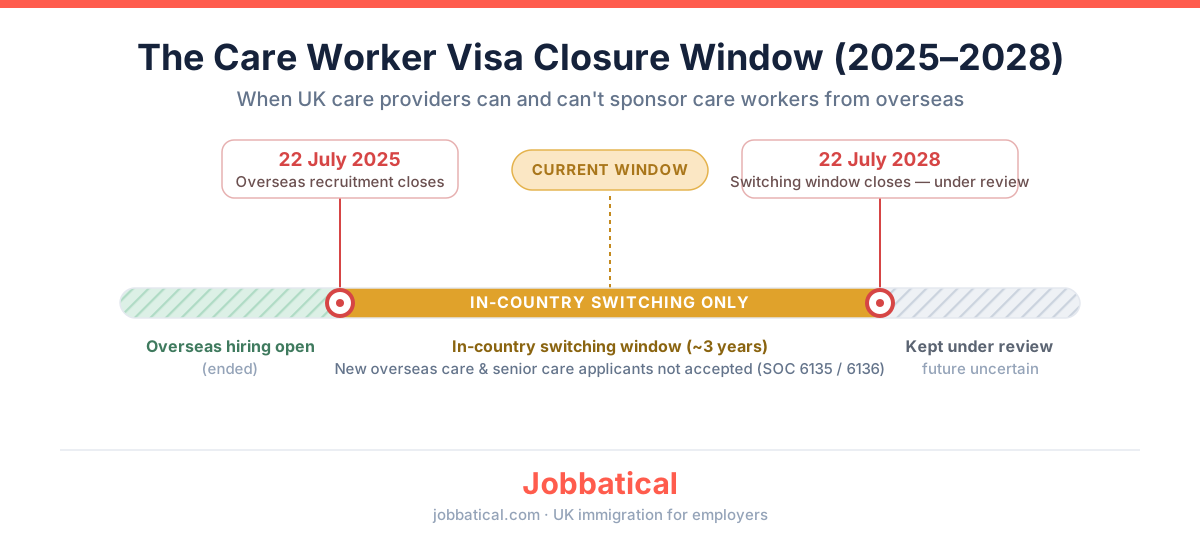
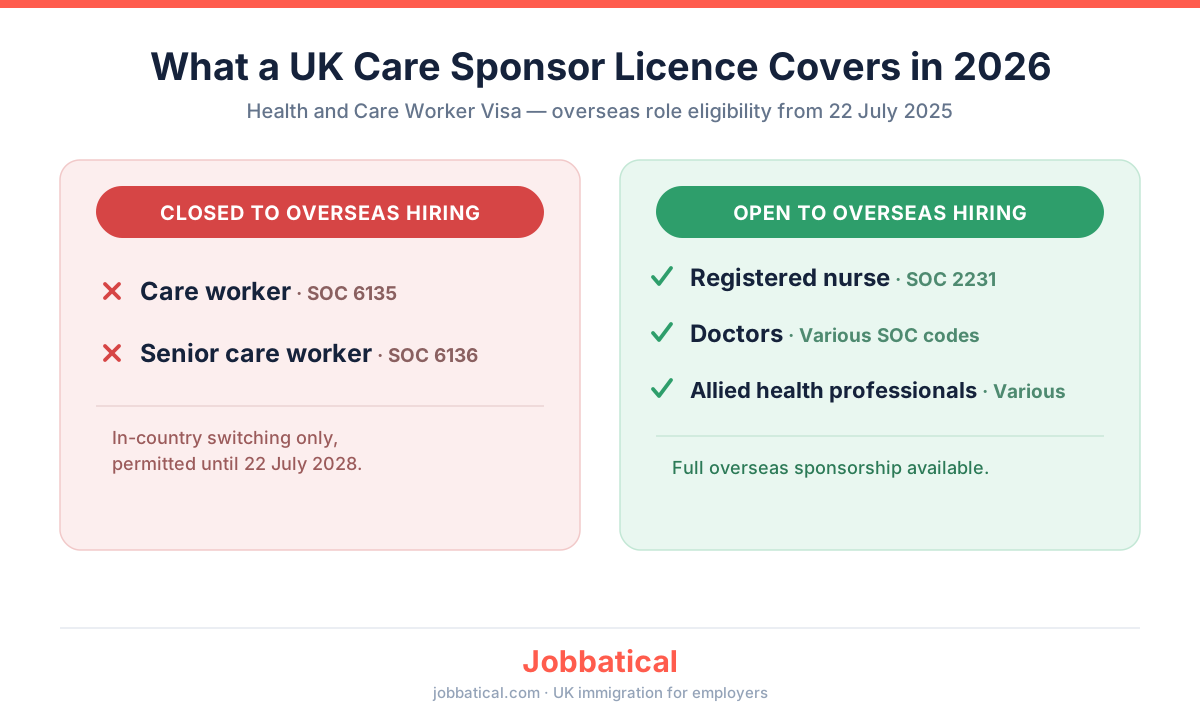
- Care roles are closed to overseas hiring: Since 22 July 2025, care worker (SOC 6135) and senior care worker (SOC 6136) roles can only be filled from workers already in the UK, with in-country switching allowed until 22 July 2028. Nurses, doctors and other health roles under the Health and Care Worker Visa remain fully open.
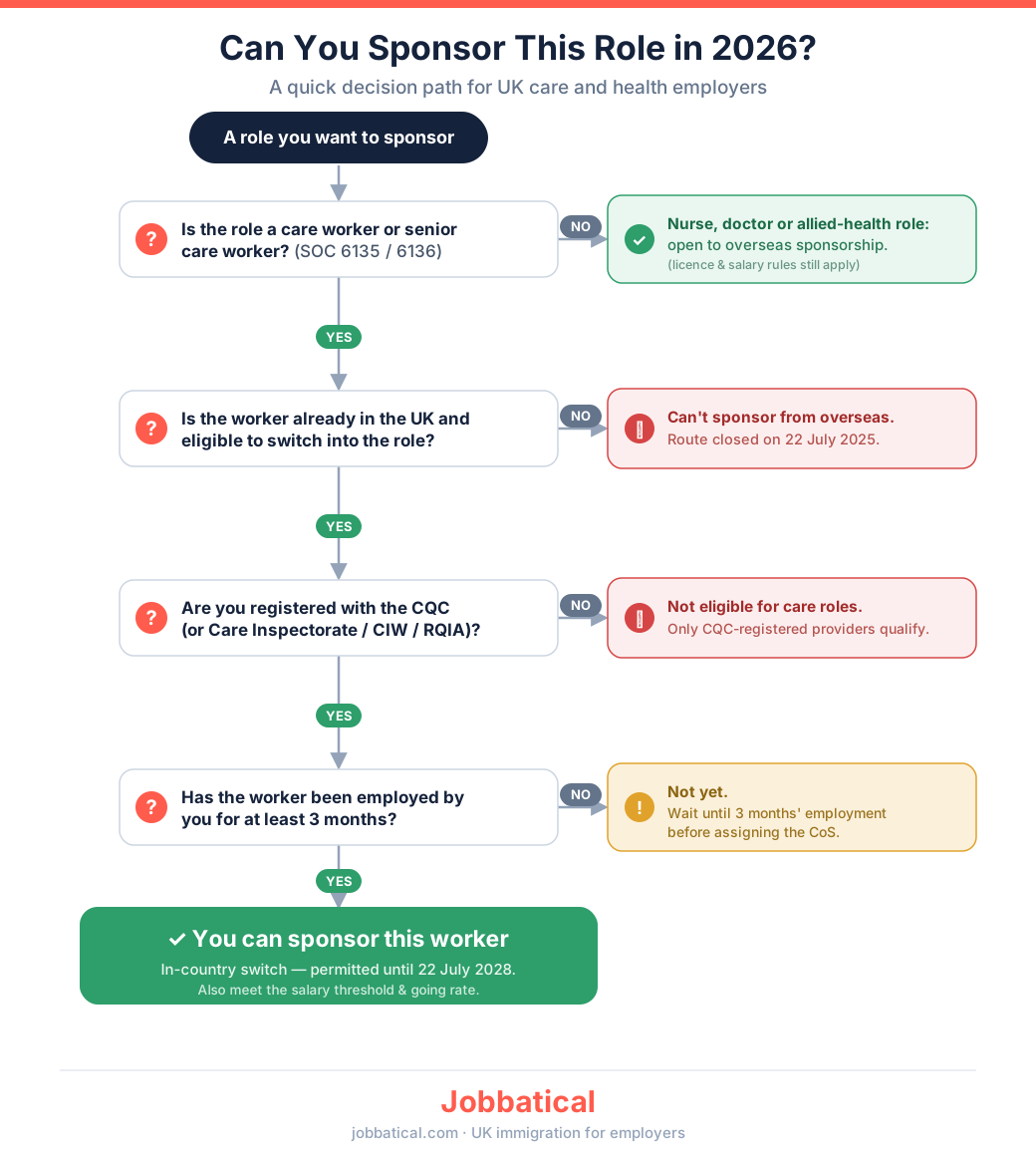
- CQC registration is the precondition: To sponsor care workers in England you must be registered with the Care Quality Commission (or the Care Inspectorate, CIW or RQIA in the devolved nations); without it you're limited to the standard Skilled Worker route.
- Pay the highest of three figures: £25,000 (about £12.82/hour) for national-pay-scale or Immigration Salary List roles, £31,300 for non-pay-scale roles, or the SOC going rate if higher.
- The application itself is standard: Appoint your key personnel, build the evidence pack and apply via UKVI, the same as any employer. Follow our sponsor licence application guide for the step-by-step process.
A UK sponsor licence remains essential for hiring international care staff in 2026, but the rules changed significantly in July 2025. This guide explains the current Health and Care Worker Visa requirements to help care providers avoid costly application mistakes.
Whether you run a single independent care home, a domiciliary agency like Agincare, or a national operator like Barchester, here is exactly how overseas recruitment works today:
- Closed overseas routes: You can no longer sponsor care workers or senior care workers from abroad. You may only recruit for these roles from candidates already living inside the UK.
- Open overseas routes: You can still use your sponsor licence to recruit nurses, doctors, and other qualified health professionals directly from overseas.
┈┈┈┈┈┈┈┈┈┈┈┈┈┈┈┈┈┈┈┈┈┈┈┈┈┈┈┈┈┈┈┈┈┈┈┈┈┈┈┈┈┈┈┈┈┈┈
What a care sponsor licence actually lets you do in 2026
This is the change most guides still get wrong. On 22 July 2025 the Home Office split the Health and Care Worker route in two:
- So a care-role licence now only lets you sponsor care workers and senior care workers who are already in the UK, people on a Graduate, Student or other eligible visa switching into the role.
- That in-country switching window runs until 22 July 2028 (kept under review), and it comes with a condition: the worker must have been legally employed by you for at least three months before you assign their Certificate of Sponsorship.
- The three-month rule doesn't apply to someone already continuously sponsored under the Skilled Worker or Health and Care route in one of these roles.
Related Read:
For the full timeline and whether the closure is likely to become permanent, see our care worker visa closure guide for employers.
If your priority is nurses or other clinical roles, none of this restricts you, those occupations can still be recruited from anywhere in the world.
One trap to avoid: you can't use the nursing auxiliary and assistant code (SOC 6131) as a workaround to sponsor care workers from overseas. The Home Office has explicitly banned this substitution, and doing it puts your licence at risk of revocation.
┈┈┈┈┈┈┈┈┈┈┈┈┈┈┈┈┈┈┈┈┈┈┈┈┈┈┈┈┈┈┈┈┈┈┈┈┈┈┈┈┈┈┈┈┈┈┈
CQC registration: the precondition for a care sponsor licence
Before the Home Office will let you sponsor care workers or senior care workers in England, you must be registered with the Care Quality Commission (CQC) and carrying out at least one CQC-regulated activity. This is checked against your sponsor file, so what the CQC register shows and what your licence application claims need to line up.
- England: CQC registration.
- Scotland: Care Inspectorate.
- Wales: Care Inspectorate Wales (CIW).
- Northern Ireland: RQIA.
If your organisation isn't registered with the relevant regulator, you can't use the Health and Care Worker route for care roles at all. You'd fall back to the standard Skilled Worker route, which means losing the Immigration Health Surcharge exemption and the reduced visa fees that make the health and care route so much cheaper to run.
Not registered with a care regulator? Here's how the standard route works instead → UK Skilled Worker Visa: a guide for employers
┈┈┈┈┈┈┈┈┈┈┈┈┈┈┈┈┈┈┈┈┈┈┈┈┈┈┈┈┈┈┈┈┈┈┈┈┈┈┈┈┈┈┈┈┈┈┈
Salary thresholds for sponsored care and health roles (2026)
Salary is where care sponsors most often trip up, because the "£25,000 minimum" you see quoted is only one of three numbers. You must pay the highest of the applicable cash floor, the hourly floor, and the going rate for the specific SOC code.
The going rate is published per SOC code and, for NHS roles, tracks Agenda for Change pay bands. Nurses and allied health professionals on Band 5 and above generally clear the threshold comfortably; care and senior care roles sit at the lower end and need checking case by case. Only base salary and guaranteed allowances count, overtime and bonuses don't.
Our Health and Care Worker Visa guide works through the figures in detail.
┈┈┈┈┈┈┈┈┈┈┈┈┈┈┈┈┈┈┈┈┈┈┈┈┈┈┈┈┈┈┈┈┈┈┈┈┈┈┈┈┈┈┈┈┈┈┈
Other care-specific conditions worth knowing
- No dependants for care roles: Care workers and senior care workers sponsored since 11 March 2024 can't bring dependants. This applies to new applications only, and it's the single biggest factor in candidate attraction, especially for people with families. More on dependant rules here.
- English at B2: New applicants must meet CEFR Level B2 from 8 January 2026, up from B1.
- Settlement route protected: Health and Care Worker visa holders stay on the five-year continuous-residence route to Indefinite Leave to Remain, even as most other routes move to a ten-year path from April 2026.
- Displaced-worker pool is now optional: The old rule requiring you to recruit from the displaced-worker pool before sponsoring has been removed. You're still encouraged to contact your regional care partnership, but it's no longer a mandatory step.
┈┈┈┈┈┈┈┈┈┈┈┈┈┈┈┈┈┈┈┈┈┈┈┈┈┈┈┈┈┈┈┈┈┈┈┈┈┈┈┈┈┈┈┈┈┈┈
How to apply for the licence
The mechanics of applying, appointing your Authorising Officer, Key Contact and Level 1 User, building the evidence pack, submitting through the UKVI portal and preparing for a compliance check, are the same for care providers as for any other employer.
Related Reads:
Follow our full UK sponsor licence application guide for the step-by-step process.
How long a licence actually takes: standard vs priority processing → UK Sponsor Licence processing time guide
Explore our document requirements checklist for what to gather.
What's worth budgeting for as a care sponsor specifically:
Standard processing runs to around eight weeks; the £750 priority service targets ten working days.
Related Reads:
For the wider payback on sponsorship see our breakdown of the ROI of visa sponsorship .
Note that a compliance visit can follow approval, the common compliance mistakes case study is worth reading before your first audit.
For the full 2026 fee breakdown behind these figures → UK sponsor licence, CoS and IHS fees for employers
┈┈┈┈┈┈┈┈┈┈┈┈┈┈┈┈┈┈┈┈┈┈┈┈┈┈┈┈┈┈┈┈┈┈┈┈┈┈┈┈┈┈┈┈┈┈┈
How Jobbatical helps care employers become licensed sponsors
At Jobbatical.com, our platform simplifies immigration for care and health employers hiring across the UK and Europe. We offer:
- Expert application support: guided audits and document prep to strengthen your licence application.
- End-to-end case management: from CoS issuance to visa processing and onboarding.
- Europe-wide network: one platform for multi-country clinical and care hires.
Disclaimer: Immigration rules change quite frequently; please verify with official sources or contact us for the latest info before making any decisions.
┈┈┈┈┈┈┈┈┈┈┈┈┈┈┈┈┈┈┈┈┈┈┈┈┈┈┈┈┈┈┈┈┈┈┈┈┈┈┈┈┈┈┈┈┈┈┈
Frequently Asked Question UK Health and Care Worker Visa Sponsor Licence

.svg)
.svg)