


KEY TAKEAWAYS
- The 30% ruling lets eligible international hires take up to 30% of gross salary tax-free for up to 5 years, lifting net pay at no extra gross cost.
- 2026 salary norms: more than €48,013 (aged 30+) or €36,497 (under 30 with a Master's); no minimum for researchers.
- Apply within 4 months of the start date to backdate the benefit to day one; miss it and the early months are lost.
- From 1 January 2027 the rate drops to a flat 27% for anyone who started in 2024 or later; pre-2024 payroll cases keep the full 30%.
- You own ongoing compliance: annual salary-norm checks, Dutch-based work, and 5-year record retention against Belastingdienst review.
- Jobbatical experts handle end to end process for 30% tax ruling for HSM applicants.
The Employer’s Guide to the Dutch 30% Tax Ruling
If you are relocating global talent to the Netherlands, the 30% ruling (30%-regeling) is your strongest hiring asset. It allows eligible international employees to receive a portion of their gross salary entirely tax-freeignificantly boosting their net take-home pay without expanding your corporate payroll budget.
However, getting the compliance details wrong invites an immediate review and a hefty back-tax bill from the Belastingdienst (Dutch Tax Administration).
┈┈┈┈┈┈┈┈┈┈┈┈┈┈┈┈┈┈┈┈┈┈┈┈┈┈┈┈┈┈┈┈┈┈┈┈┈┈┈┈┈┈┈┈┈┈┈
What the 30% ruling actually is
The 30% ruling is a Dutch tax facility run by the Belastingdienst (the Dutch Tax Administration). It treats up to 30% of an eligible employee's salary as a tax-free allowance to cover the extra costs of moving to the Netherlands. The rest is taxed normally.
- Tax-Free Allowance: Instead of auditing individual relocation receipts, employers can pay a set percentage of the employee's gross wage completely tax-free for a maximum of 5 years.
- Visa vs. Tax Facility: The ruling pairs naturally with the Highly Skilled Migrant (Kennismigrant) permit, but they are completely separate tracking items. Securing the work visa does not automatically guarantee tax approval.
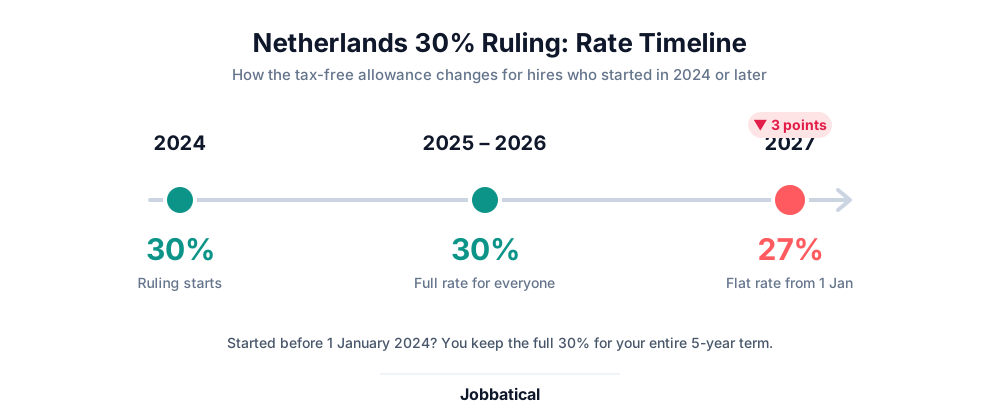
- The 2027 Rate Change: For the rest of 2026, the maximum tax-free allowance stays at a flat 30%. However, starting January 1, 2027, the government will officially drop the rate to a fixed 27% for the remainder of the employee's 5-year term.

┈┈┈┈┈┈┈┈┈┈┈┈┈┈┈┈┈┈┈┈┈┈┈┈┈┈┈┈┈┈┈┈┈┈┈┈┈┈┈┈┈┈┈┈┈┈┈
30% Ruling Eligibility Criteria
To qualify for the Dutch expat tax scheme, your company and the candidate must clear three strict Belastingdienst checks:
- Hired from Abroad (The 150km Rule): The employee must have lived more than 150 kilometers as the crow flies from the Dutch border for at least 16 of the 24 months before their first day of work. This automatically rules out candidates from Belgium, Luxembourg, and closest parts of Germany.
- Scarce Expertise: The applicant must possess skills that are hard to find in the local Dutch labor market. In practice, the authorities measure this scarcity purely based on whether the position meets the annual salary requirements.
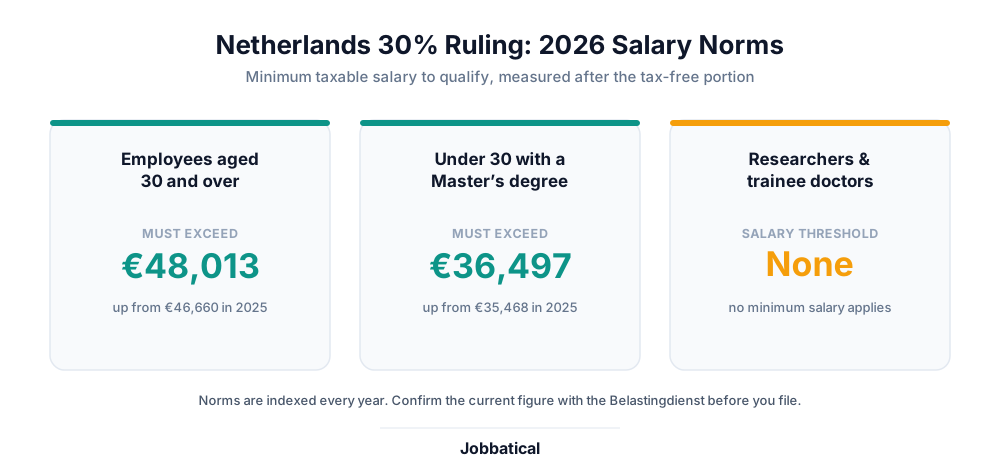
- The 2026 Salary Thresholds: The employee’s taxable salary, after the 30% tax-free deduction has been taken outmust stay above the official minimums for the 2026 tax year.
Our guide to the 2026 Netherlands highly skilled migrant salary thresholds shows the kennismigrant salary norm that 30% ruling eligibility is tied to.
┈┈┈┈┈┈┈┈┈┈┈┈┈┈┈┈┈┈┈┈┈┈┈┈┈┈┈┈┈┈┈┈┈┈┈┈┈┈┈┈┈┈┈┈┈┈┈
Netherlands 30% Ruling Salary Norms (2026)
These norms are indexed every year, so confirm the current figure with the Belastingdienst before you file.
Note this is the ruling's income norm. It is not the same as the Kennismigrant permit salary threshold, which is higher and quoted per month.
🛑 The 2026 High-Earner Cap: The tax-free benefit is strictly capped at the Balkenende norm of €262,000. Any portion of an executive or employee's salary that goes over this cap cannot benefit from the tax exemption and is taxed at the standard rate.
┈┈┈┈┈┈┈┈┈┈┈┈┈┈┈┈┈┈┈┈┈┈┈┈┈┈┈┈┈┈┈┈┈┈┈┈┈┈┈┈┈┈┈┈┈┈┈
How to apply: the process and timeline
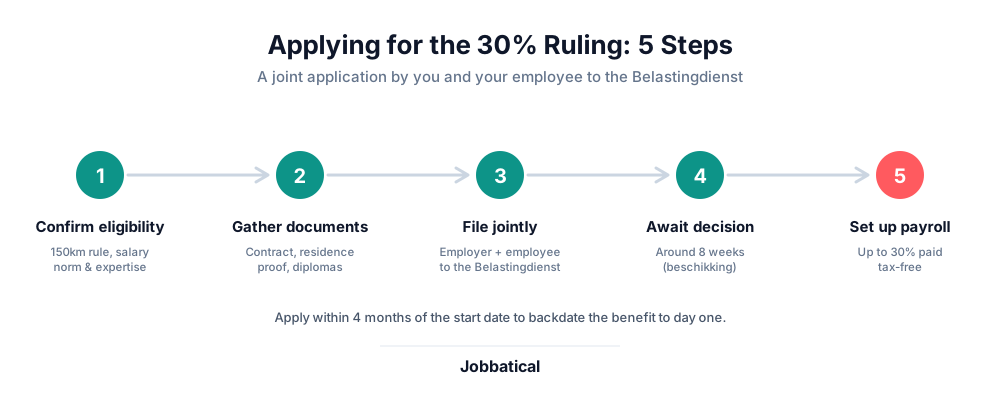
Applying for the 30% ruling is a joint request that you and your employee must sign and submit directly to the Belastingdienst.
- Confirm eligibility: Before gathering paperwork, double-check your candidate against the 150km rule and the 2026 salary minimums
- Gather documents: Employment contract, salary breakdown, proof of prior residence abroad, passport, BSN, and diplomas where relevant. Our Kennismigrant document checklist is a useful starting point for the paperwork.
- File the joint application: Lodge the official combined application with the tax administration.
- Wait for the decision: Standard, clean applications are usually decided within 8 to 12 weeks.
- Set up payroll : Once you receive the official written approval certificate (beschikking), your payroll team can safely split the salary, disbursing up to 30% of the gross income completely tax-free.
The Strict 4-Month Rule: You must file the application within 4 months of the employee's official first day of work for the ruling to retroactively apply from day one. If you miss this window, the tax break will only activate from the month after your submission date, permanently costing your employee their tax-free allowance for those initial months.
┈┈┈┈┈┈┈┈┈┈┈┈┈┈┈┈┈┈┈┈┈┈┈┈┈┈┈┈┈┈┈┈┈┈┈┈┈┈┈┈┈┈┈┈┈┈┈
The Real Cost of the 30% Ruling
Applying for the tax break is remarkably cost-effective compared to the massive financial value it brings to your relocation package:
- Government Fees: €0. The Belastingdienst does not charge any application or processing fees.
- Professional Support: Expect to pay between €500 and €2,500 per case if you hire an external immigration agency to manage the filing and payroll integration.
- Document Prep: Minor variable expenses for certified translations, apostilles, or legalizations depending on where your candidate went to university.
💡 The ROI Bottom Line: Because this ruling saves your international hires thousands of euros in income tax every year, it remains one of the cheapest yet most powerful hiring incentives available in the Dutch tech and corporate sectors.
Our Netherlands Highly Skilled Migrant (kennismigrant) permit service handles the immigration side of the hire to pair with the 30% ruling.
┈┈┈┈┈┈┈┈┈┈┈┈┈┈┈┈┈┈┈┈┈┈┈┈┈┈┈┈┈┈┈┈┈┈┈┈┈┈┈┈┈┈┈┈┈┈┈
Ongoing compliance obligations as the employer
The ruling is not "approve once and forget". As a registered Dutch employer, you hold long-term compliance duties, and the Belastingdienst actively audits payroll records
Key responsibilities your team must manage:
- Annual Salary Tracking: Monitor taxable wages every January. If an employee's salary falls below the mandatory threshold due to a job change, part-time hours, or unpaid leave, their tax exemption will immediately lapse.
- Work Location Monitoring: Keep the role primarily Dutch-based. Because the facility is explicitly meant for work performed inside the Netherlands, excessive remote or cross-border working can disqualify the employee. Document their local working patterns to be safe.
- 5-Year Record Keeping: Archive all applications, written approvals, employment contracts, and payroll modifications for a minimum of five years. This record-keeping directly overlaps with your broader IND sponsor duties. This overlaps with your wider sponsor duties, covered in our guide on IND salary payment proof for sponsors.
⚠️ The Audit Risk: Never blindly apply the tax break. If a retroactive tax audit reveals an employee failed the initial 150km or expertise tests, the authorities will cancel the ruling, leaving your business on the hook for major back-taxes and penalties.
┈┈┈┈┈┈┈┈┈┈┈┈┈┈┈┈┈┈┈┈┈┈┈┈┈┈┈┈┈┈┈┈┈┈┈┈┈┈┈┈┈┈┈┈┈┈┈
The 2027 change: from 30% to a flat 27%
This is the part that causes the most confusion, so let's be exact. The earlier "30-20-10%" step-down plan was scrapped. Dutch law passed in December 2024 and effective January 2025 sets a permanent flat rate instead.
Our Netherlands 2026 immigration updates for employers track the broader tax and policy shifts affecting skilled migrants.
┈┈┈┈┈┈┈┈┈┈┈┈┈┈┈┈┈┈┈┈┈┈┈┈┈┈┈┈┈┈┈┈┈┈┈┈┈┈┈┈┈┈┈┈┈┈┈
Two Upcoming 2027 Shifts to Plan For
1. The 2027 Salary Threshold Hike
Starting January 1, 2027, the minimum salary requirements will experience an additional increase on top of regular inflation indexation. This change generally hits employees who started using the scheme on or after January 1, 2024.
- The Risk: An international hire whose compensation package barely clears the current 2026 threshold might suddenly fall underneath the higher 2027 baseline. If they drop below the line, they will lose the tax break completely.
- HR Action: Audit your current expat payroll and work with a qualified tax adviser to confirm the exact threshold rules applying to your specific 2024–2026 employee cohorts.
2. The Worldwide Tax Cliff-Edge
The "partial non-resident taxpayer status" which historically exempted expat workers from paying Dutch taxes on foreign savings and investment assets (Box 2 and Box 3) is officially reaching its final expiration date. The transitional window for legacy holders closes permanently on December 31, 2026.
- The Risk: From 2027 onward, every single ruling holder will be treated as a full Dutch tax resident.
- HR Action: Flag this deadline to your long-tenured international team members now. Anyone holding substantial global investments or overseas bank accounts will face a sudden tax liability on their worldwide wealth, and an early heads-up will prevent a painful financial surprise.
┈┈┈┈┈┈┈┈┈┈┈┈┈┈┈┈┈┈┈┈┈┈┈┈┈┈┈┈┈┈┈┈┈┈┈┈┈┈┈┈┈┈┈┈┈┈┈
Key Operational Quick-Fixes
- Official Processing Timelines: The Belastingdienst takes about 8 weeks to process joint applications once submitted. Keep this fixed timeframe in your onboarding roadmap rather than guessing.
- The High-Earner Cap: Remind your payroll and finance teams that the 30% benefit remains strictly bound by a universal income cap linked to the public-sector Balkenende (WNT) norm. Compensation above this threshold cannot receive the tax exemption.
┈┈┈┈┈┈┈┈┈┈┈┈┈┈┈┈┈┈┈┈┈┈┈┈┈┈┈┈┈┈┈┈┈┈┈┈┈┈┈┈┈┈┈┈┈┈┈
30% Ruling Rate Timeline
What this means for your team:
- Model the 27% rate now for anyone hired from 2024 onward.
- Take-home pay dips slightly from 2027, so build that into retention conversations early rather than at renewal.
┈┈┈┈┈┈┈┈┈┈┈┈┈┈┈┈┈┈┈┈┈┈┈┈┈┈┈┈┈┈┈┈┈┈┈┈┈┈┈┈┈┈┈┈┈┈┈
How does an EOR work with the 30% ruling?
If your business does not have a local Dutch entity, an Employer of Record (EOR) can step in as the official, payroll-registered employer in the Netherlands to unlock the 30% tax break for your hire.
- How It Works: The EOR manages the compliant tax-free payroll split and handles the Belastingdienst application, while you maintain direct day-to-day management of the employee.
- The Rules Still Apply: The candidate must still clear all standard criteria, including the 150km distance rule, the specific expertise check, and the mandatory 2026 salary thresholds.
⚠️ The Continuity Catch:
- The tax break is directly tied to the withholding employer. If the employee later transitions from the EOR to your own newly formed Dutch entity or another company, the ruling can easily stall or lapse.
- Coordinate any entity switches carefully to legally protect and transfer their remaining tax-free window.
Our Netherlands change of employer guidance covers how to protect ruling continuity during a switch.
┈┈┈┈┈┈┈┈┈┈┈┈┈┈┈┈┈┈┈┈┈┈┈┈┈┈┈┈┈┈┈┈┈┈┈┈┈┈┈┈┈┈┈┈┈┈┈
How to think Strategically about 30% Tax Ruling?
- A Free Talent Lever: For a €70,000 hire, the ruling boosts their net take-home pay by thousands of euros annually at zero extra cost to your business. It is essentially a powerful recruiting advantage funded entirely by tax savings.
- Order of Operations: The 30% ruling is a tax benefit, not a visa. Always secure the correct underlying immigration track first such as the Highly Skilled Migrant (Kennismigrant) permit or the Dutch EU Blue Card before layering the tax application on top. For the wider picture, see our Netherlands relocation overview.
┈┈┈┈┈┈┈┈┈┈┈┈┈┈┈┈┈┈┈┈┈┈┈┈┈┈┈┈┈┈┈┈┈┈┈┈┈┈┈┈┈┈┈┈┈┈┈
Get the 30% ruling right the first time with Expert support
The ruling is generous, but the eligibility tests, the 4-month clock, and the ongoing salary checks leave plenty of room for costly mistakes. Jobbatical handles the eligibility assessment, the joint application, and the compliance monitoring so your team can focus on onboarding.
Disclaimer: Immigration rules change quite frequently; please verify with official sources or contact us for the latest info before making any decisions.
┈┈┈┈┈┈┈┈┈┈┈┈┈┈┈┈┈┈┈┈┈┈┈┈┈┈┈┈┈┈┈┈┈┈┈┈┈┈┈┈┈┈┈┈┈┈┈
Frequently Asked Questions: Netherlands 30% Ruling
Can we apply for an employee who has already been working here a while?
Only within 4 months of the start date does the ruling backdate to day one. After that you can still apply, but it takes effect from the month after filing. The early months are lost, so file early.
What happens when the 5 years end?
Payroll reverts to normal Dutch tax on the full salary, so net pay drops noticeably. Flag the expiry 12 to 24 months ahead and plan retention, because this is a common trigger for people to leave.
Does the ruling survive a promotion or pay rise?
Yes, as long as the salary stays above the annual norm and the person stays with an eligible employer. Update the contract and payroll to match the new terms.
Do EU citizens qualify for the 30% ruling?
Yes. The ruling is about prior residence abroad and the salary norm, not nationality. EU and non-EU hires can both qualify if they meet the 150km rule and the salary threshold.
Is the 27% rate a proposal or actual law?
It is finalised law, passed in December 2024 and effective from January 2025. The old 30-20-10% step-down was scrapped. The flat 27% rate applies from 2027 to anyone who started the ruling in 2024 or later.
Can we use an EOR to apply the ruling without a Dutch entity?
Often yes. An EOR acts as the Dutch withholding employer and runs the payroll split, so the ruling can apply if your employee still meets all eligibility tests. Confirm case by case, as continuity can break during later employer changes.

.svg)
.svg)
