

.svg)



KEY TAKEAWAYS
- EU Blue Card sponsors relocation; EOR enables hiring without a German entity, they solve different problems.
- Most non-EU hires need both, an EOR alone does not solve immigration.
- 2026 Blue Card salary thresholds: €50,700 standard, €45,934.20 for IT specialists and shortage occupations
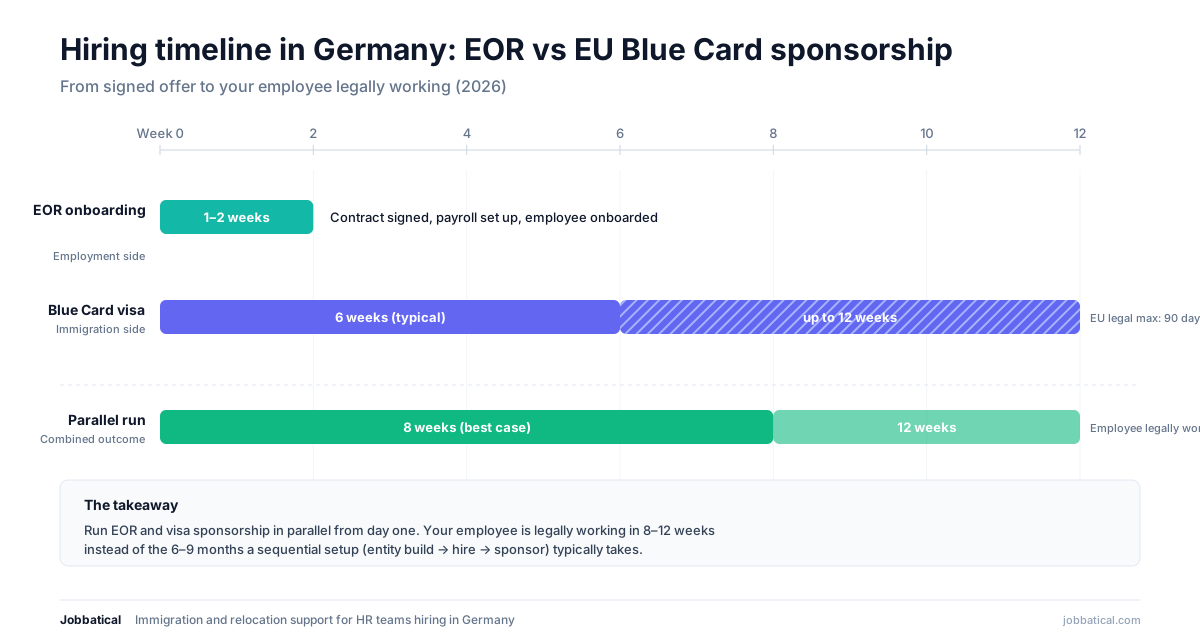
- EOR setup takes 1–2 weeks; Blue Card visa processing adds 6–12 weeks
- Hiring under 10 people in Germany? Pair EOR with immigration support. Over 10? Build a local entity. Contact Jobbatical for any support.
EU Blue Card vs. EOR: Which Route to Choose?
When hiring a senior engineer for your Berlin team, choosing between direct visa sponsorship (EU Blue Card) and an Employer of Record (EOR) comes down to three factors: your entity status, the candidate's current location, and your long-term retention plans.
Here is how the two routes stack up:
- EU Blue Card (Direct Immigration): Your company directly sponsors the worker’s visa and relocates them to Germany. Requires your own registered German entity (e.g., GmbH).
- Employer of Record (Infrastructure Shortcut): A third-party provider acts as the legal employer on paper, handling German payroll and labor compliance. No German entity required.
💡 The Core Difference: The EU Blue Card is a long-term immigration pathway; an EOR is a quick employment infrastructure workaround.
Germany EU Blue Card vs EOR: comparison at a glance
Decision tree showing when to choose EU Blue Card sponsorship vs Employer of Record in Germany
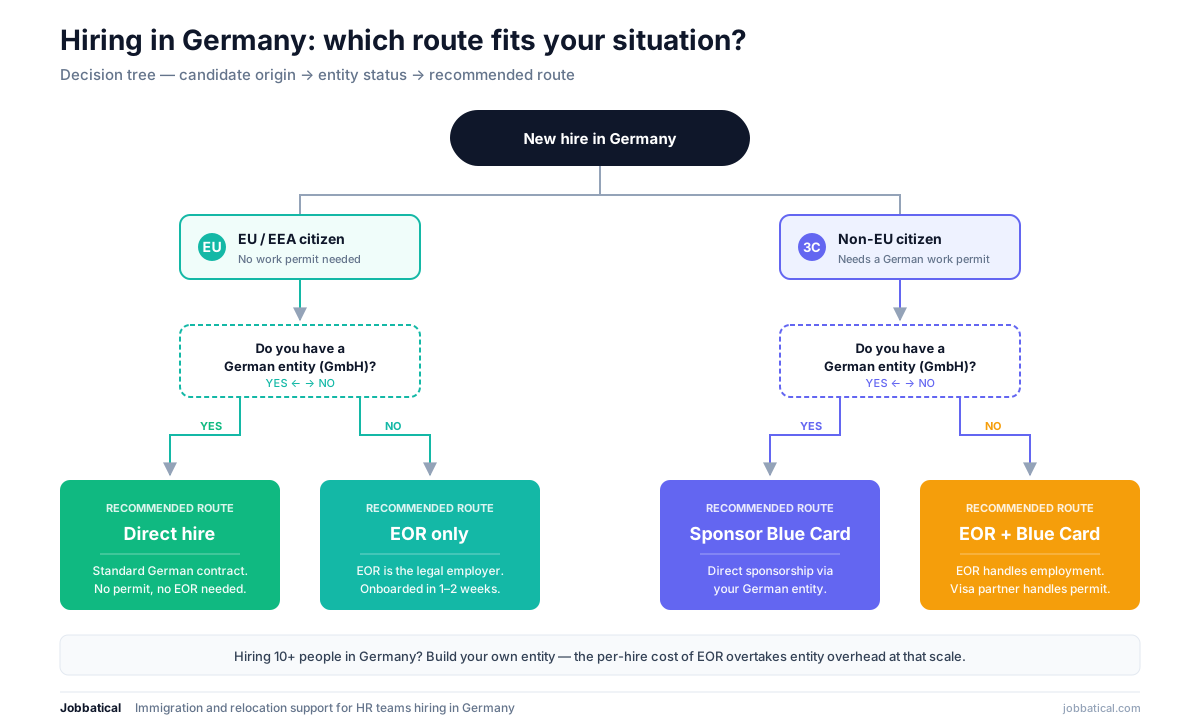
When sponsoring an EU Blue Card is the right call
Choose Blue Card sponsorship when you want your employee to physically live in Germany and you can offer the salary threshold. Specifically:
- Your employee is a non-EU national who needs to relocate.
- You already operate a German entity, or plan to set one up.
- The role pays at least €50,700, or €45,934.20 for IT specialists and shortage occupations.
- You want a route that leads to permanent residency (21 months with B1 German, 33 months with A1).
- You expect to keep this hire long-term and value family reunification rights.
The Blue Card also unlocks intra-EU mobility after 12 months, which matters if you have offices in more than one EU country. For the full process, see our Germany EU Blue Card employer guide.
When an EOR makes more sense
EOR fits a different problem entirely. It exists because setting up a GmbH is slow and expensive when you only need to hire one or two people. Reach for EOR when:
- You do not have a German entity and do not want to spend months building one.
- You are hiring fewer than 10 people in Germany.
- You are testing whether Germany is the right market.
- Your employee is already an EU citizen or already holds a Germany work permit.
- You are hiring a remote employee who will work from Germany but does not need relocation.
For the full breakdown of how an EOR works in Germany, read Employer of Record Germany: hire without a legal entity.
The EOR Visa Trap
Here is the compliance gap most EOR providers gloss over: an EOR contract does not sponsor work visas. If your non-EU candidate needs to relocate to Germany, signing an EOR agreement will not make them legal to work. They still require an EU Blue Card or a standard German work permit.
To ensure your hire starts on time, HR needs a dual-track strategy from day one:
- The EOR: Manages local payroll and employment compliance.
- The Immigration Partner: Secures the legal visa.
🚀 The Jobbatical Bridge: We work directly alongside your EOR provider to handle the immigration casework. Use our Germany pre-hiring eligibility check to flag exactly which permit your candidate needs before you sign anything.
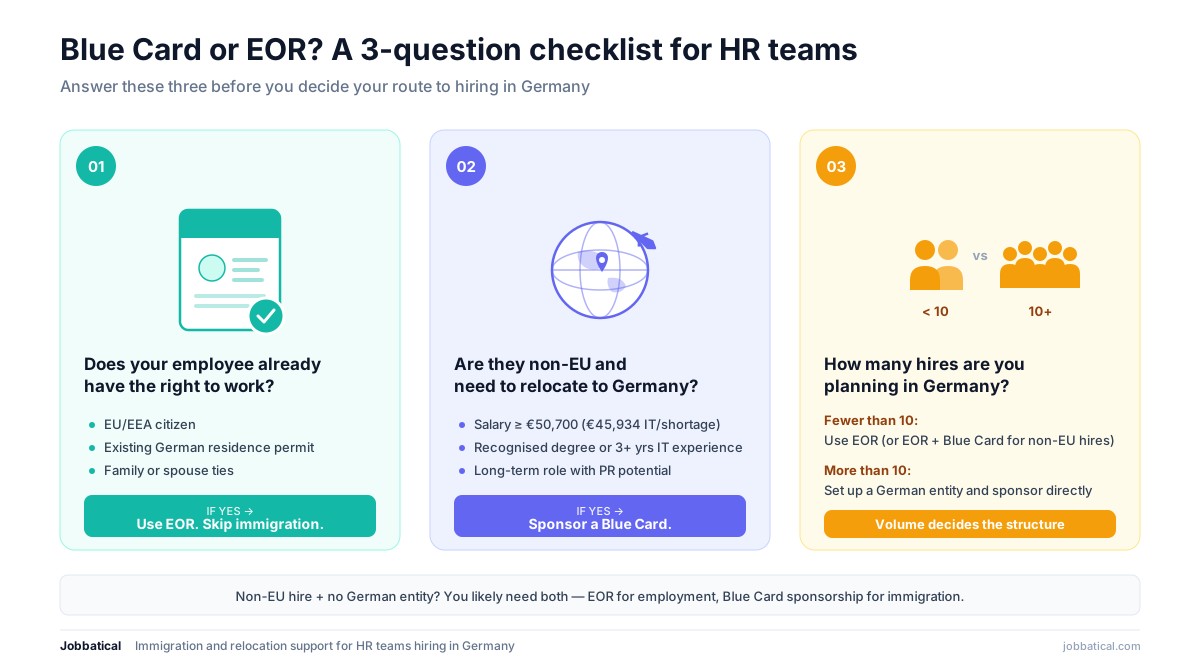
Decision checklist for HR teams
Run through these three questions before you decide:
- Does your employee already have the right to work in Germany? EU citizen, existing residence permit, or family ties, go EOR.
- Are they non-EU and need to relocate? Sponsor a Blue Card or other work permit. Pair it with EOR only if you have no German entity yet.
- How many hires are you planning in 12 months? Under 10, EOR usually wins. Over 10, build an entity and sponsor directly.
Don't wait too long to start the visa side. Six weeks is the minimum buffer you should plan for, even on Germany's fast-track route (Beschleunigtes Fachkräfteverfahren).
Three-question decision checklist for choosing between Germany Blue Card sponsorship and EOR
Timeline comparing EOR onboarding speed against EU Blue Card visa processing in Germany 2026
What this looks like in practice
The cleanest setup for a 200 to 10,000-employee company hiring its first few people in Germany:
- EOR handles the employment side, Jobbatical handles the Blue Card and relocation.
- Both run in parallel.
- Your employee is legally working in 8 to 12 weeks instead of 6 to 9 months.
Disclaimer: Immigration rules change quite frequently; please verify with official sources or contact us for the latest info before making any decisions.
Frequently Asked Questions: Germany EU Blue Card vs Employer of Record
Can an Employer of Record sponsor a Germany EU Blue Card?
No. An EOR is the legal employer for payroll and labour law, but it does not sponsor work visas. Your non-EU employee still needs a Blue Card or another German work permit. Most companies pair their EOR with an immigration partner like Jobbatical to handle the visa side.
What is the 2026 minimum salary for a Germany EU Blue Card?
The 2026 thresholds are €50,700 gross per year for standard roles and €45,934.20 for shortage occupations, IT specialists, and recent graduates. Salary must be fixed in the contract and exclude bonuses or variable pay.
How long does it take to hire in Germany via EOR vs Blue Card sponsorship?
EOR onboarding takes 1–2 weeks once contracts are ready. Blue Card sponsorship adds 6–12 weeks for visa processing, with a legal maximum of 90 days. If your employee needs to relocate, plan for at least 8–12 weeks total from offer to legal start date.
Can I use an EOR if my employee already lives in Germany on another visa?
Often yes, if the existing permit allows employment with a new employer. Some permits are tied to a specific sponsor and require an employer change notification or a fresh application. Always check the residence permit type before signing an EOR contract.
What happens if I later move my employee from EOR to my own German entity?
You issue a new employment contract under your German entity and the EOR terminates its contract on the same date. For Blue Card holders, the employer change must be notified to the Ausländerbehörde during the first 12 months. After 12 months, no notification is required as long as salary and qualification rules are still met.
Do EU citizens need a Blue Card or EOR setup to work in Germany?
EU citizens do not need a Blue Card or any work permit. If you do not have a German entity, an EOR is still the simplest way to employ them compliantly. They will need to register their German address (Anmeldung) and a tax ID after arrival.
Is sponsoring a Blue Card more expensive than using an EOR?
The Blue Card visa fee itself is around €100. Real costs sit elsewhere: legal counsel, document translation, internal HR time, and meeting the salary threshold. EOR fees are typically 10–15% of gross salary or a fixed monthly fee per employee. For one or two hires, EOR is cheaper. For larger headcount, a local entity wins on unit cost.

.svg)
.svg)
