.svg)



PUNTOS CLAVE
- ILR lapses automatically after two continuous years outside the UK; the Home Office sends no warning
- A UK Returning Resident visa (£682 in 2026, roughly three weeks processing) is the only route to restore lapsed settlement, applied for from abroad
- Approval depends on strong UK ties: family, employment history, property, and a credible return plan
- HR teams must re-run Right to Work checks via eVisa share code once settlement is restored
- Absence tracking with 18-month alerts and pre-assignment settlement reviews prevent most ILR lapse cases
An employee Indefinite Leave to Remain can lapse without warning after two continuous years outside the UK.
For HR and global mobility teams, ILR expiry during an overseas assignment means refused re-entry, failed Right to Work checks, and unplanned visa costs.
This guide covers when ILR lapses, how the 2026 UK Returning Resident visa works, and how to protect employee settlement.
Does ILR Expire or Can It Lapse?
ILR has no expiry date, but it is not unconditional. Settlement can lapse automatically through absence, or be revoked on conduct grounds; the distinction matters for workforce planning.
- ILR status vs a BRP or eVisa: ILR itself never expires; only the document evidencing it does. BRPs are no longer issued, and a UKVI eVisa now proves status, so an expired BRP is not ILR expiry.
- The two-year absence rule: ILR lapses by operation of law after two continuous years outside the UK, Ireland, and the Crown Dependencies. The Home Office sends no notification; many employees only discover the ILR lapse at the border.
- When someone can lose ILR: ILR revocation applies where status was obtained by deception, or following a deportation order or serious criminality. For mobile employees, lapse through absence is far more common than revocation.
Related reading: ILR vs Settled Status: key differences for UK employers.
┈┈┈┈┈┈┈┈┈┈┈┈┈┈┈┈┈┈┈┈┈┈┈┈┈┈┈┈┈┈┈┈┈┈┈┈┈┈┈┈┈┈┈┈┈┈┈
Who Needs a UK Returning Resident Visa?
Once ILR has lapsed, an employee cannot simply fly back and resume UK residence. Border Force officers cannot restore settlement at the UK entry points; refused entry is the likely outcome.
- When it is required: Any former ILR holder absent for two or more continuous years who intends to resettle in the UK. Limited exemptions apply to partners of armed forces personnel and certain government postings.
- Eligibility in 2026: Applications are made from outside the UK under Appendix Returning Resident. The decision is discretionary and rests on strong UK ties and a genuine intention to settle permanently.
- Cost and timeline: The 2026 fee is £682 per applicant, with decisions typically issued around three weeks after biometrics. Complex cases take longer; verify the fee before budgeting.
Related reading: Jobbatical's UK Indefinite Leave to Remain service.
┈┈┈┈┈┈┈┈┈┈┈┈┈┈┈┈┈┈┈┈┈┈┈┈┈┈┈┈┈┈┈┈┈┈┈┈┈┈┈┈┈┈┈┈┈┈┈
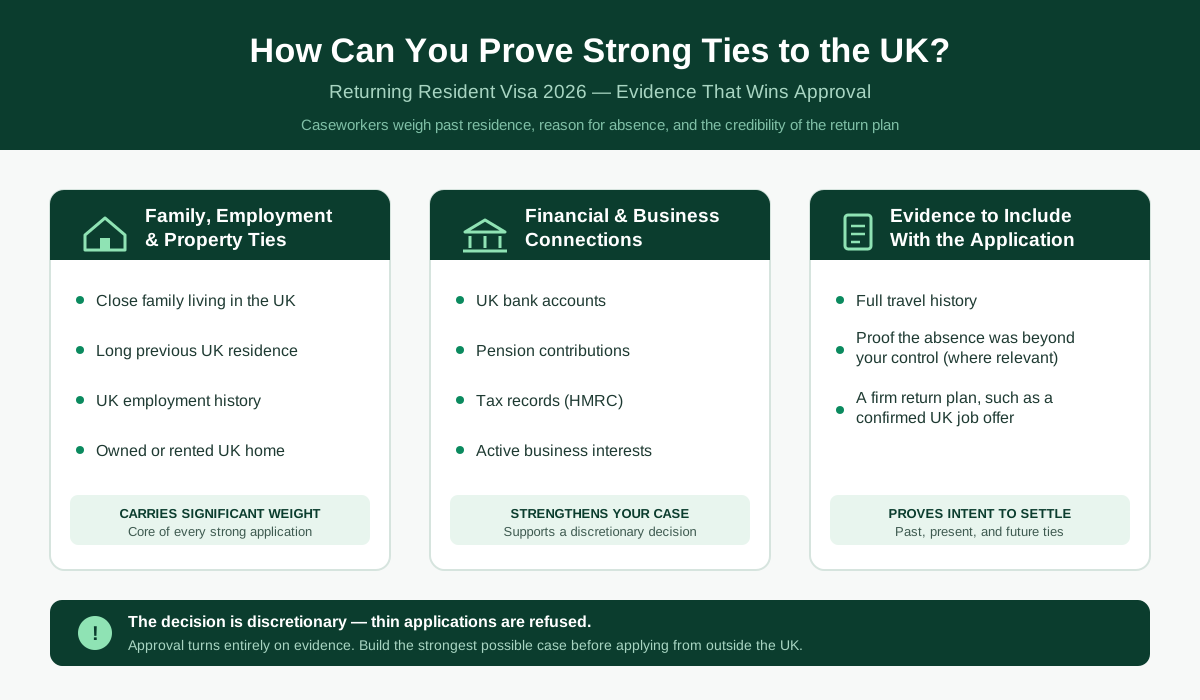
How Can You Prove Strong Ties to the UK- Returning Resident Visa?
Approval turns entirely on evidence. Caseworkers weigh past residence, the reason for absence, and the credibility of the return plan; thin applications are refused.
- Family, employment, and property ties: Close family living in the UK, long previous residence, UK employment history, and an owned or rented home all carry significant weight.
- Financial and business connections: UK bank accounts, pension contributions, tax records, and active business interests strengthen a discretionary application.
- Evidence to include: Full travel history, documentation showing the absence was beyond the applicant's control where relevant, and proof of a firm return plan such as a confirmed UK job offer.
Related reading: UK ILR document checklist.
┈┈┈┈┈┈┈┈┈┈┈┈┈┈┈┈┈┈┈┈┈┈┈┈┈┈┈┈┈┈┈┈┈┈┈┈┈┈┈┈┈┈┈┈┈┈┈
How Can You Avoid Losing ILR During an Overseas Assignment?
Prevention costs far less than restoration. Most ILR lapse cases we see stem from multi-year secondments planned without an immigration review.
- Plan before the move: Check assignment length against the two-year limit at the briefing stage. For postings likely to exceed it, consider British citizenship before departure.
- Short visits to the UK: A genuine return resets the two-year clock, but repeated token visits may not satisfy the Home Office that the UK remains the employee's real home.
- Document travel history: Keep entry and exit dates, boarding passes, and tenancy or payroll records so continuity of residence can be proven if questioned.
Related reading: ILR vs British citizenship: employer guide.
┈┈┈┈┈┈┈┈┈┈┈┈┈┈┈┈┈┈┈┈┈┈┈┈┈┈┈┈┈┈┈┈┈┈┈┈┈┈┈┈┈┈┈┈┈┈┈
What Happens After Your Returning Resident Visa Is Approved?
Approval restores settlement, but the employee must complete the digital status steps before travelling and before returning to work.
- Receiving the UK eVisa: Approved applicants receive a 90-day entry vignette and must create or update a UKVI account to access their digital eVisa. No BRP is issued.
- Proving immigration status: Status is evidenced through the View and Prove service; the employee generates a share code for employers and landlords.
- Returning to work: Work rights resume once settlement is restored, but your team must complete a compliant Right to Work check before the first working day.
Related reading: Right to Work after ILR: the HR update checklist.
┈┈┈┈┈┈┈┈┈┈┈┈┈┈┈┈┈┈┈┈┈┈┈┈┈┈┈┈┈┈┈┈┈┈┈┈┈┈┈┈┈┈┈┈┈┈┈
What Should HR Teams Know About Employees with Lapsed ILR?
A lapsed ILR is an employer risk, not just a personal one. Employing someone without valid status exposes you to civil penalties of up to £60,000 per worker.
- Right to Work checks: Lapsed ILR fails the online check. Do not rely on old BRPs or historic records; re-check via a fresh share code once status is restored.
- Supporting the application: An employer letter confirming a UK role materially strengthens the ties evidence. Help the employee compile absence records and payroll history.
- When sponsorship is needed instead: If the Returning Resident application is refused, a Skilled Worker visa may be the fallback; budget for sponsorship and Certificate of Sponsorship costs early.
Related reading: UK ILR employer guide: how to support employees.
┈┈┈┈┈┈┈┈┈┈┈┈┈┈┈┈┈┈┈┈┈┈┈┈┈┈┈┈┈┈┈┈┈┈┈┈┈┈┈┈┈┈┈┈┈┈┈
How Can Global Mobility Teams Help Protect Employee Settlement - Returning Resident Visa?
Settlement protection belongs in your mobility policy, not in ad hoc emails. Three controls remove most of the risk.
- Assignment design: Build scheduled UK return trips into any posting longer than 18 months and record the settlement review in the assignment file.
- Absence tracking systems: Track continuous absence per ILR holder and set automated alerts at the 18-month mark, well before the two-year threshold.
- Funding applications: Covering the £682 Returning Resident fee is a modest retention cost compared with re-sponsoring the same employee. In practice, employers who fund it recover the goodwill many times over.
Related reading: UK ILR eligibility calculator for employers.
┈┈┈┈┈┈┈┈┈┈┈┈┈┈┈┈┈┈┈┈┈┈┈┈┈┈┈┈┈┈┈┈┈┈┈┈┈┈┈┈┈┈┈┈┈┈┈
What Are the Key Takeaways for Employees and Employers - ILR Expiry and Recovery?
The Golden Rule: The expiration of your ILR status is entirely preventable, and restoring it is possible. However, both of these outcomes depend on taking proactive action before deadlines pass, rather than scrambling to fix the issue after a refusal.
1. The Basics of ILR Expiry and Recovery
Understanding the strict rules surrounding ILR is the first step in protecting it.
- When Does ILR Lapse?Your ILR status will be lost automatically if you spend two continuous years outside of the UK. It is crucial to remember that the Home Office does not send warnings or reminders when you are approaching this two-year mark. The responsibility falls entirely on the individual.
- The Returning Resident Visa:If your ILR has already lapsed and you want to resettle in the UK, you cannot simply travel back on your old status. You must apply for a Returning Resident visa.
- Where to apply: You must apply from outside the UK.
- Cost: The current application fee is £682.
- Timeline: Processing typically takes about three weeks.
2. How Employees Can Protect Their Settlement Status
If you hold ILR, you must actively maintain your ties to the UK to keep your status valid, especially if you travel frequently or work abroad.
- Make Genuine Returns: You must return to the UK periodically before the two-year mark. These visits must be genuine (e.g., showing a real intention to maintain your life in the UK), not just brief layovers at an airport.
- Document Your Travel: Keep a meticulous record of your travel history. Save boarding passes, flight itineraries, and passport stamps to prove exactly when you left and re-entered the country.
- Consider Citizenship: If you know you will be taking a long-term overseas work assignment, consider applying for British Citizenship before you leave. Unlike ILR, citizenship cannot lapse due to time spent abroad.
3. How Employers and HR Can Reduce Compliance Risk
For employers, an employee losing their ILR status can lead to compliance failures, illegal working penalties, and project delays.
- Track Absences: Implement an internal system to monitor the extended absences of employees who hold ILR, ensuring they do not accidentally cross the two-year threshold while on an overseas posting.
- Conduct Pre-Assignment Reviews: Before sending an employee on a long-term international assignment, review their immigration status. If they are at risk of losing their ILR, explore options like naturalization (citizenship) first.
- Perform Compliant Right to Work Checks: When an employee returns from a long overseas assignment, ensure you conduct a fresh, compliant Right to Work re-check to confirm their ILR has not lapsed during their time away.
┈┈┈┈┈┈┈┈┈┈┈┈┈┈┈┈┈┈┈┈┈┈┈┈┈┈┈┈┈┈┈┈┈┈┈┈┈┈┈┈┈┈┈┈┈┈┈
Aviso legal: Las normas de inmigración cambian con bastante frecuencia; por favor, consulte fuentes oficiales o póngase en contacto con nosotros para obtener la información más reciente antes de tomar cualquier decisión.
Frequently Asked Questions: ILR Expiry and the UK Returning Resident Visa

.svg)
.svg)