

Key Takeaways: EOR Hiring in Germany without an Entity
- You can hire employees in Germany without setting up a GmbH or legal entity — an Employer of Record (EOR) makes this legally possible.
- The EOR becomes the official employer on paper, handling payroll, contracts, and German labor law compliance while you manage the work.
- Immigration compliance is the part most EOR providers skip — your employees still need the right work permits, and that's where Jobbatical fills the gap.
- Using an EOR + immigration partner means faster hiring, lower risk, and a better experience for your employees from day one.
- This approach works whether you're testing the German market, hiring one person, or scaling a remote team before committing to an entity.
You Found the Right Person for the Role. Now What?
You've identified a great candidate for your team in Germany. The problem isn't just the entity setup — it's that once you've signed with an EOR, your hire still needs a valid Germany work permit before they can legally start. That's a step most EOR contracts don't cover. This is exactly the part that can still derail your hire even after you've signed with an EOR.
What an EOR in Germany Actually Does
An EOR becomes the legal employer of your hire on paper. Your company doesn't need a GmbH or any registered business presence in Germany. The EOR signs the employment contract, processes payroll, withholds income tax, pays social security contributions, and ensures the employment relationship follows German labor law.
In practice, you still manage the employee's work, set their objectives, and run their day-to-day. The EOR just handles the legal and administrative side of employing them in Germany.
It's faster than entity setup — onboarding typically takes one to two weeks once employment documents are in place. And it's significantly cheaper than maintaining a local subsidiary when you're hiring a small number of people.
Read more about what EOR platforms cover for global talent mobility.
The Work Permit Gap Most Germany EOR Providers Leave Open
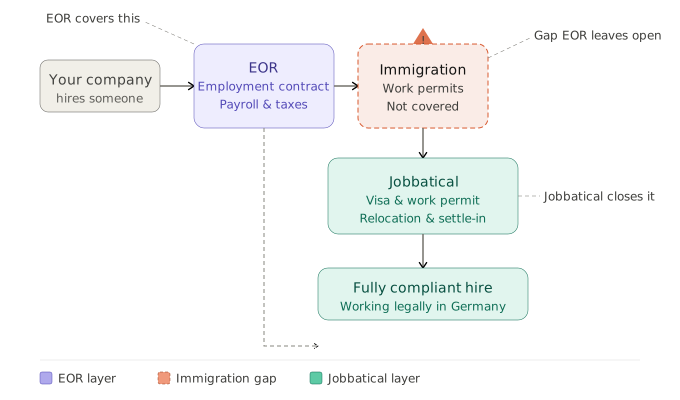
Here's what catches a lot of companies off guard: most EOR providers handle payroll and labor law. They do not handle your employee's right to work in Germany.
If your hire is a non-EU national — or if they're relocating from outside Germany — they still need a valid work permit and residence permit before they can legally start. That's a separate process, and it's one that the EOR simply doesn't cover.
The most common permit routes for international hires in Germany are the Qualified Employment Permit (Skilled Worker Visa) and the Germany EU Blue Card.". Both require employer involvement, document preparation, Employment Agency approvals, and consulate appointments. Without someone managing this, your hire is stuck — even if the EOR contract is signed and ready.
Visual: Jobbatical filling in immigration need while EOR handles payroll
Why Germany Work Permit Compliance Is Your Responsibility Under an EOR
Under a standard German employment setup, your HR team or a local lawyer typically manages the visa process alongside onboarding. Under an EOR arrangement, that responsibility can fall through the cracks — neither your HR team nor the EOR takes clear ownership of it.
The consequences of getting this wrong are real. Your employee can't start work without a valid permit. If they start anyway, both you and the EOR could face compliance penalties. And if the permit is tied to an employer name, any mismatch between the EOR's legal name and the expected employer creates additional delays at the immigration office.
This is not a theoretical risk. It's one of the most common problems companies run into when they use an EOR for international hires without coordinating the immigration side.
How to Manage Germany Work Permits Alongside Your EOR
Jobbatical works directly alongside EOR providers to manage the immigration piece your EOR doesn't cover. For your employees relocating to Germany, that means:
For EOR providers looking to offer this as part of their service, Jobbatical also operates as an immigration partner for EOR clients — handling the full visa and relocation workflow so the EOR can focus on employment compliance.
Jobbatical operates as a dedicated immigration partner for EOR providers and their clients — managing the full visa and relocation workflow that EOR contracts don't cover. See how the EOR + immigration partnership works →
The result for your company: a single, coordinated process from job offer to your employee legally working in Germany — without you needing to manage two separate vendors or worry about what falls between them.
Read about an example case study of EOR providers who partner with Jobbatical.
Is EOR the Right Route for Your Germany Hire?
Detailed Comparison table visual: EOR route vs Own German entity
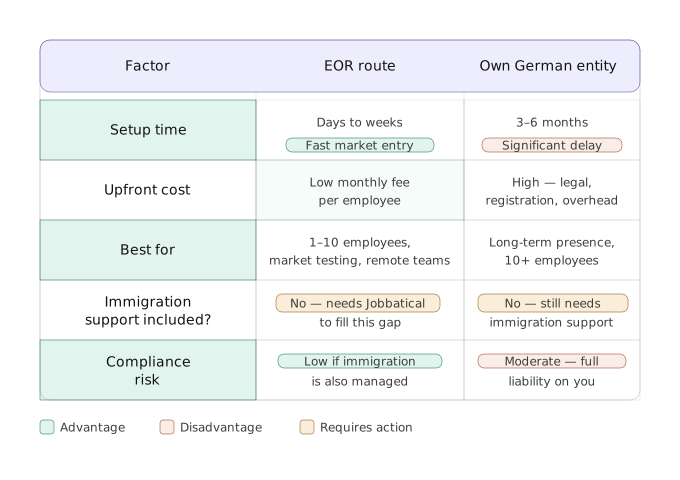
EOR vs. Entity Setup: A Quick Comparison
EOR is the right route if you're hiring fewer than 10 people, testing whether Germany is the right market for your business, or building a remote team before committing to full entity setup. It's not the right long-term route if you need direct contracts with German clients or are planning significant headcount growth.
Either way — EOR or entity — your employees still need immigration support if they're relocating internationally. That part doesn't go away.
How to Hire in Germany Without an Entity — and Stay Compliant
If you're ready to hire in Germany but aren't set up yet, the EOR route gives you a compliant path forward without months of setup. Pair it with proper immigration support and your employee can be working legally in Germany in a fraction of the time a traditional expansion would take.

Read about our Employer of Record Spain hire without entity setup.
Disclaimer: Immigration rules change quite frequently; please verify with official sources or contact us for the latest info before making any decisions.
Frequently Asked Questions — Employer of Record Germany
Can I hire employees in Germany without setting up a legal entity?
Yes. Using an Employer of Record (EOR), your company can legally hire and pay employees in Germany without registering a GmbH or any other local entity. The EOR acts as the legal employer, handling contracts, payroll, and compliance while you manage the employee's day-to-day work.
Does an EOR in Germany handle work permits and immigration?
Most EOR providers cover payroll and labor law compliance but do not manage visa or work permit applications. If your employee needs a German work permit — for example, a Skilled Worker Visa or EU Blue Card — you need a dedicated immigration partner like Jobbatical to handle that part of the process.
How long does it take to hire via EOR in Germany?
If your employee already has the right to work in Germany, the EOR can typically onboard them within one to two weeks. If they need a work permit or visa first, the timeline is longer — usually 8 to 16 weeks depending on the permit type. Starting the immigration process early is key to avoiding delays.
What does an EOR in Germany actually cover?
A German EOR handles employment contracts compliant with the BGB, payroll and tax withholding, social security contributions (approximately 20% employer share), statutory benefits, and termination procedures. It does not cover visa applications, residence permit registration, housing, or relocation logistics — those require a separate immigration and mobility partner.
When should a company switch from EOR to setting up its own entity in Germany?
Most companies transition to a local entity when they have 10 or more employees in Germany, when the EOR cost exceeds the cost of maintaining a GmbH, or when they need direct contractual relationships with clients. Until then, an EOR is often the faster and more cost-effective route.
Can my employee relocate to Germany through an EOR arrangement?
Yes, but the relocation itself requires separate support. The EOR provides the legal employment structure; Jobbatical handles the immigration case, work permit application, residence registration, and settle-in services. Together, this covers the full journey — from job offer to your employee working legally in Germany.

.svg)
.svg)