

Key Takeaways - Employer Compliance for France Work Permit
- Penalties Now a Direct Budget Risk: Administrative fines reach €20,750 per unauthorised worker, rising to €62,250 for repeat offences, with criminal penalties up to €30,000. A single mishandled hire can exceed €80,000 in combined exposure, making proactive audits and e-verification essential.
- Three Fine Triggers to Track: The administrative fine applies when you employ a worker without a valid permit, retain one whose permit has expired or been revoked, or employ a worker outside the role, occupation, or geography their permit authorises. The old OFII special contribution has been replaced by this consolidated system.
- Digital Filing Is a Compliance Duty: All applications, renewals, and updates must run through the ANEF-Emploi platform, with paper submissions retired. Missing a digital deadline or address update is itself an exposure, not merely an administrative delay.
- Inspections Have Doubled: Under the 2025 Immigration and Integration Act, workplace inspection frequency doubled and labour inspectors gained direct access to immigration and wage databases. Joint liability also extends compliance risk through your subcontractor chain.
- Renewals Hinge on Salary and Timing: Renewals are denied if a sponsored worker's salary drops below the reference threshold for more than three months. ANEF processing averages two to four months, so flag any permit expiring within 120 days and file early.
- Talent Routes Ease the Load, With Conditions: The Passeport Talent Monde offers guaranteed 30-day processing and exemption from new integration rules, while the Travail en Tension permit covers shortage occupations. Both speed up sponsorship but carry ongoing compliance conditions you must maintain.
What Do France 2026 Work Permit Reforms Mean for Employer Compliance?
France rebuilt its work permit system through Decree No. 2025-539, and those reforms now carry into 2026 alongside fresh integration rules effective from January 1, 2026. Every change lands on the employer side of the ledger. Digital filing is mandatory, salary thresholds are checked at renewal, and penalties for non-compliant hires have risen sharply. For your team, staying compliant now demands active permit oversight rather than one-time paperwork at hire.
- Employer Penalties Take Centre Stage: Administrative fines now reach €20,750 per unauthorised worker, rising to €62,250 for repeat offences, with criminal penalties up to €30,000. Compliance failures have shifted from a minor risk to a direct budget threat.
- Digital Filing Is a Compliance Duty: All applications, renewals, and updates must move through the ANEF-Emploi platform, with paper submissions retired. Missing a digital deadline or update is itself an exposure, not just an administrative delay.
- Salary Compliance Checked at Renewal: Renewals are denied if a sponsored worker's salary drops below the reference threshold for more than three months. You must monitor pay against permit conditions throughout the employment relationship.
- Talent and Shortage Routes Ease Hiring Load: The Passeport Talent Monde delivers guaranteed 30-day processing, while the Travail en Tension permit covers roughly 80 shortage occupations. Both speed up sponsorship, but each still carries its own compliance conditions you must maintain.
- Integration Rules Add New Obligations: A mandatory civic exam and higher language thresholds apply to first-time applications for many permits. Talent and skilled work routes remain exempt, so route selection now directly affects your compliance burden.
For a complete picture of the permit categories your employees can use, see our France Passeport Talent guide for employers, which breaks down every skilled-worker category, salary threshold, and sponsorship duty.
┈┈┈┈┈┈┈┈┈┈┈┈┈┈┈┈┈┈┈┈┈┈┈┈┈┈┈┈┈┈┈┈┈┈┈┈┈┈┈┈┈┈┈┈┈┈┈
What Are the New Administrative Fines for Employers in France?
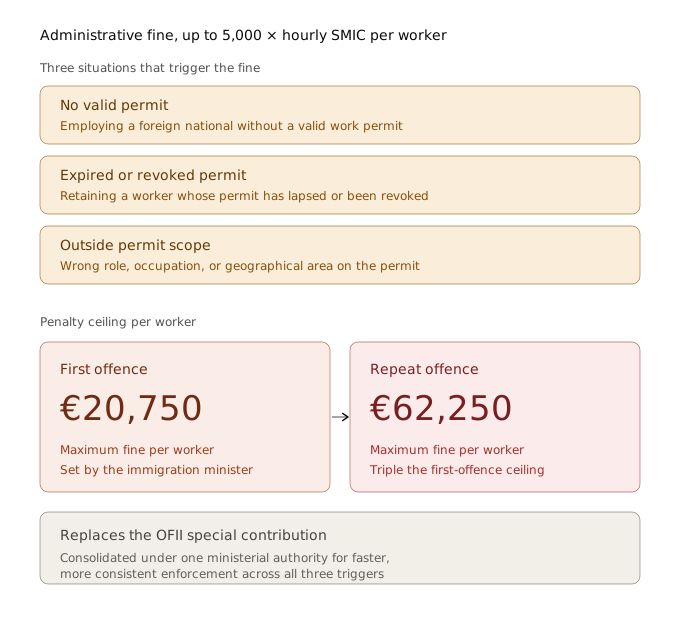
The 2024 Immigration and Integration Act (Loi n° 2024-1555) replaced the old OFII special contribution with a consolidated administrative fine system. This is not a compliance footnote; it is a material cost that belongs on your radar alongside payroll and contract renewals. The fine is imposed directly by the Minister responsible for immigration, who weighs your circumstances before setting the exact amount. A single unauthorised hire can still trigger a six-figure liability across a small team.
- Replacement of OFII Contributions: The flat-rate fee once paid to the Office Français de l'Immigration et de l'Intégration is gone. In its place sits a single administrative fine consolidated under one ministerial authority, enabling faster and more consistent enforcement.
- Calculation Method: The fine is calculated at up to 5,000 times the hourly minimum wage (SMIC). At current rates, that produces a maximum of €20,750 per worker for a first offence.
- Repeat Offence Ceiling: If your company is found non-compliant a second time, the ceiling rises sharply to €62,250 per worker. Repeated exposure across multiple hires quickly compounds into serious financial risk.
- Three Trigger Situations: The fine applies when you employ a worker without a valid permit, retain a worker whose permit has expired or been revoked, or employ a worker outside the professional category, occupation, or geographical area stated on their permit.
- Ministerial Discretion: The exact figure depends on the employer's circumstances and history. Demonstrating strong internal controls and good-faith compliance efforts can influence the amount assessed.

France Employer Administrative Fine Summary
To manage the post-arrival steps that keep new hires compliant from day one, use our OFII validation after arrival checklist, which sets out every deadline and requirement employers must meet.
┈┈┈┈┈┈┈┈┈┈┈┈┈┈┈┈┈┈┈┈┈┈┈┈┈┈┈┈┈┈┈┈┈┈┈┈┈┈┈┈┈┈┈┈┈┈┈
Why Have Criminal Fines Doubled to €30,000 per Worker: France Work Permit Compliance?
On top of the administrative fine, France doubled the criminal penalty for employing a foreign national without a valid work permit. The figure rose from €15,000 to €30,000 per worker, and the scope of the offence widened considerably. Criminal liability now sits with the employer entity and, in certain cases, individual managers. Combined with administrative fines, a single non-compliant hire can exceed €80,000 in total exposure.
- Doubled Penalty Amount: The criminal fine for employing a worker without a valid permit increased from €15,000 to €30,000 per worker. This applies per individual, so multiple violations multiply the liability.
- Expanded Offence Scope: The criminal fine now covers workers who hold a permit but are employed outside the role, sector, or location it authorises. Distributed teams and internal promotions without permit amendments create fresh exposure.
- Individual Manager Liability: Responsibility can extend beyond the company to the managers who made the hiring decision. This raises the personal stakes for HR and mobility leads.
- Combined Financial Exposure: Administrative and criminal penalties stack together. A single mishandled hire can push total exposure past €80,000 once both regimes apply.
- Reason for the Reform: The 2024 law was designed to strengthen employer accountability while opening more pathways for talent in shortage sectors. Consolidating enforcement under one authority supports faster and more consistent action.
For a full breakdown of renewal timelines and the penalties tied to lapsed permits, read our guide to France work visa renewal rules and employer penalties, which details each step of the renewal process.
┈┈┈┈┈┈┈┈┈┈┈┈┈┈┈┈┈┈┈┈┈┈┈┈┈┈┈┈┈┈┈┈┈┈┈┈┈┈┈┈┈┈┈┈┈┈┈
How Are Workplace Inspections Changing in France for Employer Compliance?
Enforcement has intensified as sharply as the penalties. Under the 2025 Immigration and Integration Act, the government doubled the frequency of workplace inspections. Labour inspectors now hold direct access to digital immigration and wage databases, which makes unannounced checks faster and more data-driven. The probability of a random inspection stands higher than at any point in the last decade.
- Doubled Inspection Frequency: The government increased the cadence of workplace inspections under the 2025 Act. More frequent checks mean errors surface faster and reach a wider set of employers.
- Direct Database Access: Inspectors can query immigration and wage records in real time. This removes the delays that once gave employers a window to correct issues before scrutiny.
- Joint Liability Through Subcontractors: French law imposes joint liability on main contractors for immigration violations within their supply chain. If a subcontractor employs an unauthorised worker on your project, your company may share the financial liability.
- Higher Detection Risk: Data-driven checks combined with digital enforcement tools mean non-compliance is identified sooner and costs more. Manual permit tracking is no longer adequate for teams of any size.
- Broader Consequences Beyond Fines: Non-compliant employers also face repayment of public subsidies, exclusion from public contracts, reputational damage, and, in serious cases, criminal prosecution of responsible individuals.
To confirm authorisation quickly during onboarding, see our walkthrough on verifying employee work authorisation via QR code, which explains France's digital verification tools in practical detail.
┈┈┈┈┈┈┈┈┈┈┈┈┈┈┈┈┈┈┈┈┈┈┈┈┈┈┈┈┈┈┈┈┈┈┈┈┈┈┈┈┈┈┈┈┈┈┈
What Are Your Core Obligations as an Employer in 2026?
France places greater onus on employers for permit validity and ongoing compliance throughout the employment relationship. Your duties now span digital filings, health insurance enrolment, document verification, and prefecture declarations. Mid-sized firms face amplified risk because a single administrative slip can trigger a fine or an inspection. Building these obligations into your standard HR workflow is the most reliable protection.
- Online Filings via ANEF-Emploi: All applications, renewals, and address updates must move through the ANEF-Emploi platform. Talent applications also require proof of economic or innovative impact.
- Health Insurance Enrolment: Employers must enrol sponsored workers in CPAM within three months of arrival. Missing this window creates a separate compliance gap.
- Pre-Employment Verification: France's Contrôle Travail portal and the France-Auth mobile app authenticate residence permits and work authorisation certificates. File the verification receipt and retain it for at least five years.
- Prefecture Declaration Before Start: The employment declaration must reach the prefecture at least two working days before the start date. Since February 2025, this is submitted electronically through Contrôle Travail, replacing the old registered-letter process.
- Support for Regularisation Applications: Employers must support Travail en Tension applications without obstruction. You cannot veto an employee-led application, but you are expected to cooperate with the process.
For the wider budgeting picture, including sponsorship fees and penalty risk, review our breakdown of the costs of hiring foreign employees in France, which helps you plan compliance spending accurately.

┈┈┈┈┈┈┈┈┈┈┈┈┈┈┈┈┈┈┈┈┈┈┈┈┈┈┈┈┈┈┈┈┈┈┈┈┈┈┈┈┈┈┈┈┈┈┈
Which Actions Should HR Teams Take Now : Employer Compliance?
The reforms reward employers who move early and punish those who wait. In practice, most companies start permit reviews too late and discover exposure only during an inspection. A structured quarterly routine closes that gap and keeps your team ahead of enforcement. The three priorities below convert the new rules into a repeatable compliance workflow.
- Audit Every Active Permit Quarterly: Check each non-EU employee's permit against three criteria: expiry date, permitted role, and permitted geography. A worker moved to a new city or promoted into a different job category without a permit amendment is an exposure under the expanded criminal fine scope.
- Flag Expiries Early: Initiate renewals for any permit expiring within 120 days. ANEF processing averages two to four months, so waiting until the final weeks introduces avoidable risk.
- Verify Documents Before Day One: Authenticate every new hire's permit through Contrôle Travail or France-Auth before their start date. Retain the verification receipt for a minimum of five years.
- Extend Compliance to Subcontractors: Require quarterly evidence of permit compliance from key suppliers, and include audit rights in service agreements. Joint liability means their violations can become your financial problem.
- Integrate Digital Tools with Your HRIS: Connect ANEF-Emploi workflows to your HR systems for automated reminders and filings. Structured tracking reduces both administrative load and fine risk.
For step-by-step renewal guidance that supports these audits, see our France residence permit renewal service, which manages ANEF filings, deadlines, and documentation for your team.
┈┈┈┈┈┈┈┈┈┈┈┈┈┈┈┈┈┈┈┈┈┈┈┈┈┈┈┈┈┈┈┈┈┈┈┈┈┈┈┈┈┈┈┈┈┈┈
How Does Jobbatical Simplify France Immigration Employer Compliance?
Managing France's compliance regime by hand no longer scales once penalties and inspections rise together. Jobbatical's platform automates permit tracking, flags upcoming expirations, and manages ANEF submissions end to end. The result is lower administrative load and materially reduced exposure to fines. For mid-sized teams, that combination protects both budget and reputation.
- Automated Permit Tracking: The platform monitors expiry dates, permitted roles, and geographical scope across your entire workforce. Automated alerts surface risks well before they become liabilities.
- End-to-End ANEF Management: Applications, renewals, and updates are handled through the ANEF platform on your behalf. This removes the manual burden and reduces the chance of filing errors.
- Reduced Compliance Risk: Global mobility teams cut compliance risk by up to 90% through structured tracking and expert oversight. Fine exposure falls as verification and documentation become systematic.
- Support for Shortage Sector Hiring: Pre-vetted talent pipelines and Travail en Tension guidance help you fill high-demand roles faster. Family support and integration guidance round out the service for skilled relocations.
- Built for Mid-Sized Firms: Affordable tooling, real immigration experts, and proven delivery across 45+ countries suit companies of 200 to 10,000 employees. Recent performance includes over 1,000 successful hires at 98% compliance.
Disclaimer: Immigration rules change quite frequently; please verify with official sources or contact us for the latest info before making any decisions.
┈┈┈┈┈┈┈┈┈┈┈┈┈┈┈┈┈┈┈┈┈┈┈┈┈┈┈┈┈┈┈┈┈┈┈┈┈┈┈┈┈┈┈┈┈┈┈
Frequently Asked Questions about France Work Permit Reforms
What are the integration requirements for France work permit holders in 2026?
Starting January 1, 2026, many permit holders must pass a mandatory civic exam and meet higher language proficiency levels, such as A2 for multi-year permits and B1 for 10-year cards.
What are the financial penalties for France employer non-compliance?
Employers face administrative fines of up to €20,750 per unauthorized worker, which can increase to €62,250 for repeat offenses.
How long does it take to process a France Passeport Talent Monde application?
The flagship permit for highly skilled professionals offers a streamlined online application process with a guaranteed response time within 30 days.
Is the France shortage sector regularization pathway still available?
Yes, the Travail en Tension provision, which covers approximately 80 professions nationally, has been extended through December 31, 2026.
What is the minimum salary for the France Passeport Talent Monde?
Qualified employees generally require a minimum gross annual salary of approximately €39,582, while EU Blue Card equivalents require a higher threshold of around €59,373.

.svg)
.svg)