.svg)



WICHTIGSTE ERKENNTNISSE
- Die EU-Blue-Card ermöglicht eine Entsendung; EOR ermöglicht die Einstellung von Mitarbeitern ohne deutsche Niederlassung – beide Lösungen dienen der Bewältigung unterschiedlicher Probleme.
- Die meisten Nicht-EU-Mitarbeiter benötigen beides; ein EOR allein löst das Einwanderungsproblem nicht.
- Gehaltgrenzen für die Blue Card 2026: 50.700 € (Standard), 45.934,20 € für IT-Fachkräfte und in Mangelberufen
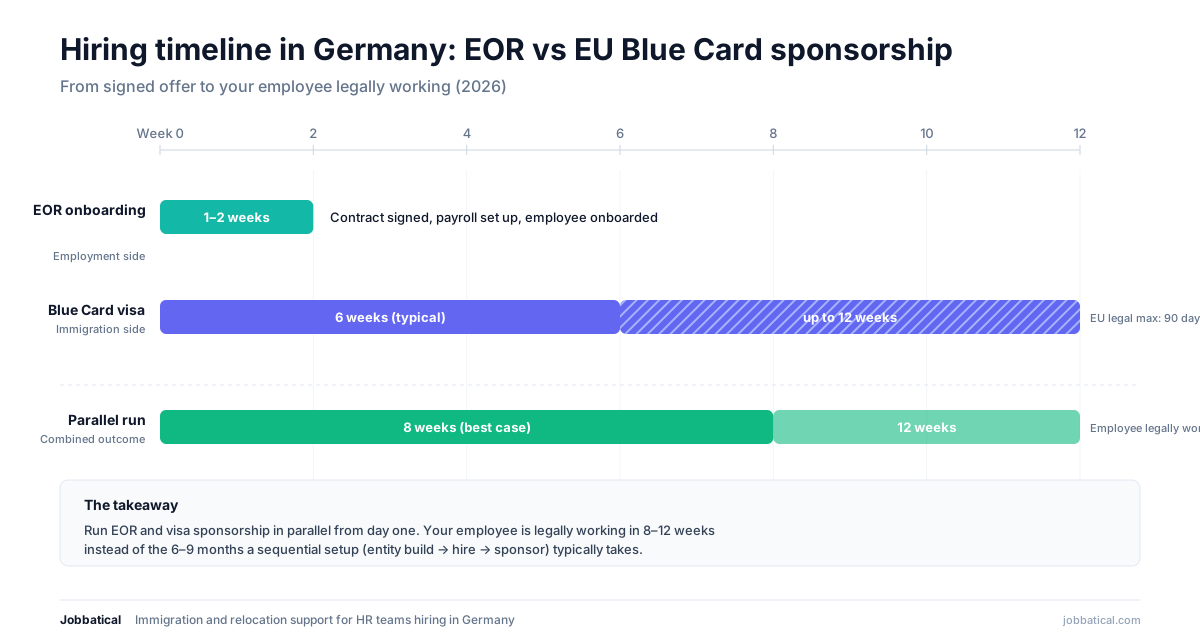
- Die Einrichtung des EOR-Kontos dauert 1–2 Wochen; die Bearbeitung des Blue-Card-Visums dauert weitere 6–12 Wochen
- Sie stellen in Deutschland weniger als 10 Mitarbeiter ein? Kombinieren Sie EOR mit Unterstützung bei Einwanderungsangelegenheiten. Mehr als 10? Gründen Sie eine lokale Gesellschaft. Wenden Sie sichfür Unterstützung an Jobbatical .
EU-Blue-Card vs. EOR: Welchen Weg soll man wählen?
Bei der Einstellung eines leitenden Ingenieurs für Ihr Berliner Team hängt die Entscheidung zwischen einer direkten Visumsponsoring (EU-Blue-Card) und einem „Employer of Record“ (EOR) von drei Faktoren ab: dem Status Ihres Unternehmens, dem aktuellen Standort des Bewerbers und Ihren langfristigen Plänen zur Mitarbeiterbindung.
Hier ist ein Vergleich der beiden Routen:
- EU-Blue-Card (direkte Einwanderung): Ihr Unternehmen übernimmt direkt die Beantragung des Arbeitsvisums für den Arbeitnehmer und holt ihn nach Deutschland. Voraussetzung ist eine eigene, in Deutschland eingetragene Gesellschaft (z. B. eine GmbH).
- „Employer of Record“ (Infrastruktur-Abkürzung): Ein Drittanbieter fungiert formal als rechtlicher Arbeitgeber und kümmert sich um die deutsche Lohnabrechnung sowie die Einhaltung der arbeitsrechtlichen Vorschriften. Eine deutsche Gesellschaft ist nicht erforderlich.
💡 Der wesentliche Unterschied: Die EU-Blue-Card ist ein langfristiger Einwanderungsweg; ein EOR ist eine schnelle Umgehungslösung für die Arbeitsvermittlung.
Deutsche EU-Blue-Card vs. EOR: Vergleich auf einen Blick
Entscheidungsbaum zur Abwägung zwischen der Übernahme der EU-Blue-Card durch den Arbeitgeber und dem „Employer of Record“-Modell in Deutschland
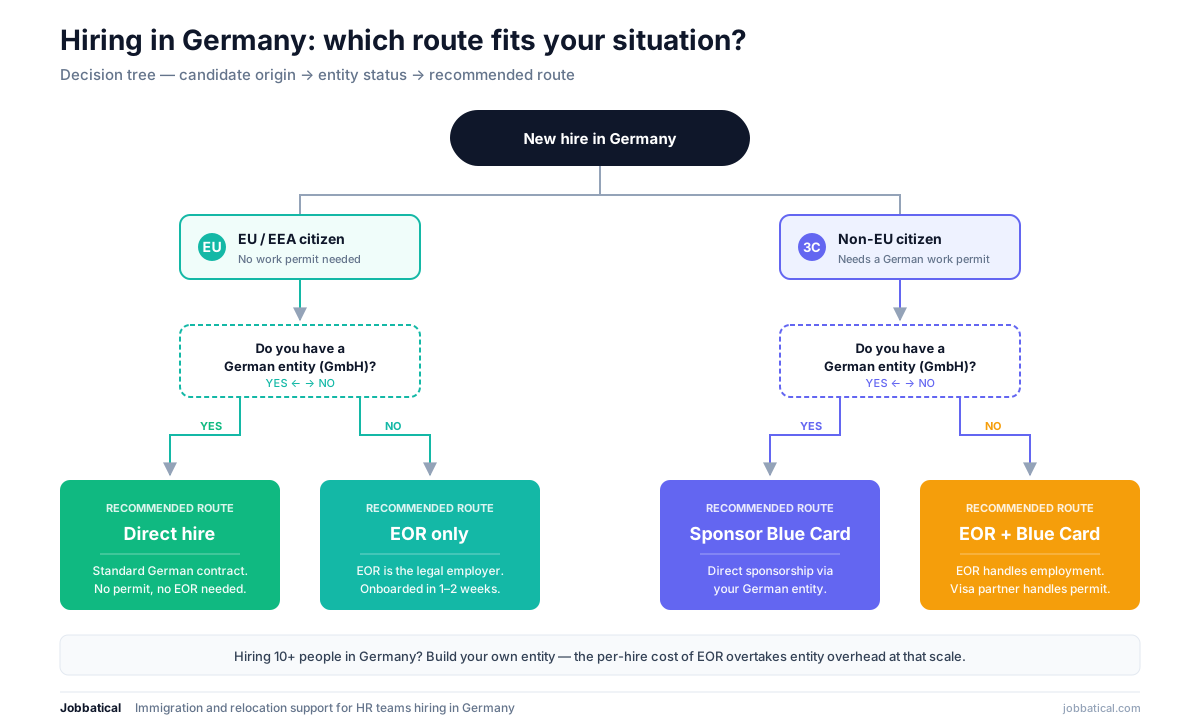
Wann ist die Beantragung einer EU-Blue-Card die richtige Entscheidung?
Entscheiden Sie sich für das „Blue Card“-Sponsoring, wenn Ihr Mitarbeiter tatsächlich in Deutschland wohnen soll und Sie die Gehaltsschwelle erfüllen können. Im Einzelnen:
- Ihr Mitarbeiter ist ein Nicht-EU-Bürger, der umziehen muss.
- Sie betreiben bereits eine deutsche Gesellschaft oder planen, eine solche zu gründen.
- Das Gehalt für diese Stelle beträgt mindestens 50.700 €, bzw. 45.934,20 € für IT-Fachkräfte und in Mangelberufen.
- Du möchtest einen Weg, der zu einer dauerhaften Aufenthaltsgenehmigung führt (21 Monate mit Deutschkenntnissen auf Niveau B1, 33 Monate mit Deutschkenntnissen auf Niveau A1).
- Sie gehen davon aus, diesen Mitarbeiter langfristig zu beschäftigen, und legen Wert auf das Recht auf Familienzusammenführung.
Die Blaue Karte ermöglicht zudem nach 12 Monaten die Mobilität innerhalb der EU, was wichtig ist, wenn Sie Niederlassungen in mehr als einem EU-Land haben. Den vollständigen Ablauf finden Sie in unserem Leitfaden für Arbeitgeber zur Blauen Karte EU in Deutschland.
Wann sich EOR eher lohnt
EOR ist für ein ganz anderes Problem gedacht. Es gibt EOR, weil die Gründung einer GmbH zeitaufwendig und teuer ist, wenn man nur ein oder zwei Mitarbeiter einstellen möchte. Greifen Sie auf EOR zurück, wenn:
- Sie haben keine deutsche Gesellschaft und möchten nicht monatelang daran arbeiten, eine solche aufzubauen.
- Sie stellen in Deutschland weniger als 10 Mitarbeiter ein.
- Sie prüfen, ob Deutschland der richtige Markt ist.
- Ihr Mitarbeiter ist bereits EU-Bürger oder verfügt bereits über eine Arbeitserlaubnis für Deutschland.
- Sie stellen einen Remote-Mitarbeiter ein, der von Deutschland aus arbeiten wird, für den jedoch kein Umzug erforderlich ist.
Eine ausführliche Erklärung dazu, wie EOR in Deutschland funktioniert, finden Sie unter „Employer of Record Deutschland: Mitarbeiter einstellen ohne eigene Rechtsform“.
Die EOR-Visum-Falle
Hier liegt die Compliance-Lücke, die die meisten EOR-Anbieter verschweigen: Ein EOR-Vertrag berechtigt nicht zum Erhalt einer Arbeitserlaubnis. Wenn Ihr Nicht-EU-Bewerber nach Deutschland umziehen muss, erhält er durch die Unterzeichnung eines EOR-Vertrags noch keine Arbeitserlaubnis. Er benötigt weiterhin eine EU-Blue-Card oder eine reguläre deutsche Arbeitserlaubnis.
Damit Ihre Einstellung pünktlich beginnen kann, benötigt die Personalabteilung vom ersten Tag an eine zweigleisige Strategie:
- Der EOR: Ist für die lokale Lohnabrechnung und die Einhaltung der arbeitsrechtlichen Vorschriften zuständig.
- Der Einwanderungspartner: Besorgt das gültige Visum.
🚀 Die „ Jobbatical “-Brücke: Wir arbeiten direkt mit Ihrem EOR-Anbieter zusammen, um die Einwanderungsangelegenheiten zu regeln. Nutzen Sie unsere Vorabprüfung der Einstellungsberechtigung für Deutschland, um genau festzustellen, welche Genehmigung Ihr Kandidat benötigt, bevor Sie etwas unterschreiben.
Entscheidungscheckliste für Personalabteilungen
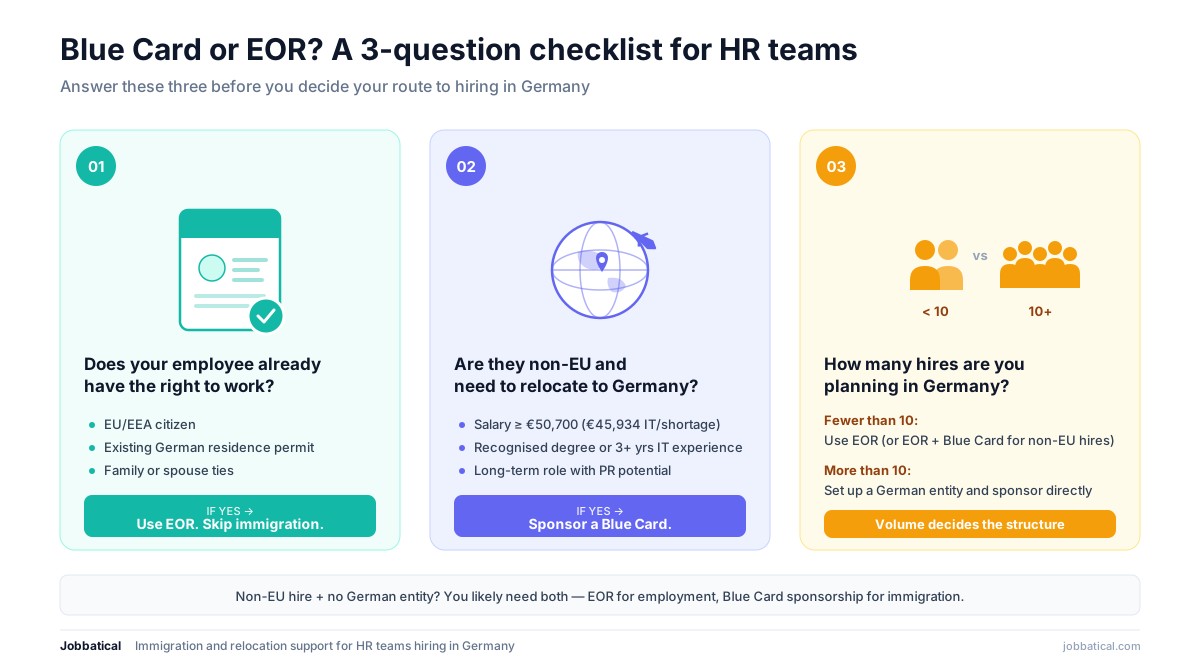
Geh diese drei Fragen durch, bevor du dich entscheidest:
- Verfügt Ihr Mitarbeiter bereits über eine Arbeitserlaubnis für Deutschland? EU-Bürger, bestehende Aufenthaltserlaubnis oder familiäre Bindungen – entscheiden Sie sich für EOR.
- Sind sie Nicht-EU-Bürger und müssen umziehen? Beantragen Sie eine Blaue Karte oder eine andere Arbeitserlaubnis. Kombinieren Sie dies nur dann mit EOR, wenn Sie noch keine deutsche Niederlassung haben.
- Wie viele Neueinstellungen planen Sie in den nächsten 12 Monaten? Bei weniger als 10 ist EOR in der Regel die bessere Wahl. Bei mehr als 10 sollten Sie eine eigene Gesellschaft gründen und die Mitarbeiter direkt einstellen.
Warten Sie nicht zu lange, bevor Sie die Visumsangelegenheiten in die Wege leiten. Sechs Wochen sind die Mindestvorlaufzeit, die Sie einplanen sollten, selbst im Rahmen des beschleunigten Fachkräfteverfahrens in Deutschland.
Checkliste mit drei Fragen zur Entscheidung zwischen einer „Blue Card“ in Deutschland und dem EOR-Modell
Zeitleiste zum Vergleich der Einarbeitungsgeschwindigkeit bei EOR mit der Bearbeitungsdauer für EU-Blue-Card-Visa in Deutschland im Jahr 2026
Wie das in der Praxis aussieht
Die optimalste Lösung für ein Unternehmen mit 200 bis 10.000 Mitarbeitern, das seine ersten Mitarbeiter in Deutschland einstellt:
- EOR kümmert sich um die arbeitsrechtlichen Aspekte, Jobbatical um die Blaue Karte und den Umzug.
- Beide laufen parallel.
- Ihr Mitarbeiter ist bereits nach 8 bis 12 Wochen statt nach 6 bis 9 Monaten rechtmäßig beschäftigt.
Haftungsausschluss: Die Einreisebestimmungen ändern sich häufig; bitte informieren Sie sich bei offiziellen Stellen oder kontaktieren Sie uns, um die aktuellsten Informationen zu erhalten, bevor Sie Entscheidungen treffen.
Häufig gestellte Fragen: Deutsche EU-Blue-Card vs. „Employer of Record“
Kann ein „Employer of Record“ eine EU-Blue-Card für Deutschland beantragen?
Nein. Ein EOR ist der rechtliche Arbeitgeber im Sinne des Arbeitsrechts und der Lohnabrechnung, übernimmt jedoch nicht die Beantragung von Arbeitsvisa. Ihr Mitarbeiter aus einem Nicht-EU-Land benötigt weiterhin eine Blaue Karte oder eine andere deutsche Arbeitserlaubnis. Die meisten Unternehmen arbeiten bei der Abwicklung der Visaangelegenheiten mit einem EOR und einem Partner für Einwanderungsfragen wie Jobbatical zusammen.
Wie hoch ist das Mindestgehalt für eine EU-Blue-Card in Deutschland im Jahr 2026?
Die Schwellenwerte für 2026 liegen bei 50.700 € brutto pro Jahr für Standardberufe und bei 45.934,20 € für Mangelberufe, IT-Fachkräfte und Hochschulabsolventen. Das Gehalt muss im Vertrag festgeschrieben sein und darf keine Prämien oder variable Vergütungen enthalten.
Wie lange dauert die Einstellung von Mitarbeitern in Deutschland über EOR im Vergleich zur Blue-Card-Förderung?
Die Einarbeitung bei EOR dauert 1–2 Wochen, sobald die Verträge vorliegen. Bei einer Blue-Card-Förderung kommen 6–12 Wochen für die Visumbearbeitung hinzu, wobei die gesetzliche Höchstfrist 90 Tage beträgt. Falls Ihr Mitarbeiter umziehen muss, sollten Sie insgesamt mindestens 8–12 Wochen vom Stellenangebot bis zum offiziellen Arbeitsbeginn einplanen.
Kann ich einen EOR nutzen, wenn mein Mitarbeiter bereits mit einem anderen Visum in Deutschland lebt?
Oftmals ja, sofern die bestehende Aufenthaltserlaubnis eine Beschäftigung bei einem neuen Arbeitgeber zulässt. Manche Aufenthaltserlaubnisse sind an einen bestimmten Sponsor gebunden und erfordern eine Meldung des Arbeitgeberwechsels oder einen neuen Antrag. Prüfen Sie stets die Art der Aufenthaltserlaubnis, bevor Sie einen EOR-Vertrag unterzeichnen.
Was passiert, wenn ich meinen Mitarbeiter später vom EOR-Modell in meine eigene deutsche Gesellschaft überführe?
Sie schließen einen neuen Arbeitsvertrag über Ihr deutsches Unternehmen ab, und der EOR kündigt seinen Vertrag zum selben Zeitpunkt. Bei Inhabern einer Blue Card muss der Arbeitgeberwechsel innerhalb der ersten 12 Monate der Ausländerbehörde gemeldet werden. Nach Ablauf von 12 Monaten ist keine Meldung mehr erforderlich, solange die Vorschriften bezüglich Gehalt und Qualifikation weiterhin erfüllt sind.
Benötigen EU-Bürger eine Blaue Karte oder eine EOR-Registrierung, um in Deutschland arbeiten zu können?
EU-Bürger benötigen weder eine Blaue Karte noch eine Arbeitserlaubnis. Wenn Sie kein deutsches Unternehmen haben, ist ein EOR-Modell dennoch der einfachste Weg, sie vorschriftsmäßig zu beschäftigen. Nach ihrer Ankunft müssen sie ihre deutsche Anschrift anmelden (Anmeldung) und eine Steuernummer beantragen.
Ist die Beantragung einer Blue Card teurer als die Inanspruchnahme eines EOR?
Die Visumgebühr für die Blue Card selbst beträgt etwa 100 €. Die tatsächlichen Kosten liegen jedoch woanders: Rechtsberatung, Übersetzung von Dokumenten, interner Personalaufwand und die Einhaltung der Gehaltsschwelle. EOR-Gebühren betragen in der Regel 10–15 % des Bruttogehalts oder eine feste monatliche Gebühr pro Mitarbeiter. Bei ein oder zwei Neueinstellungen ist EOR günstiger. Bei einer größeren Mitarbeiterzahl ist eine lokale Gesellschaft hinsichtlich der Stückkosten vorteilhafter.

.svg)
.svg)