


WICHTIGSTE ERKENNTNISSE
- Die 30-Prozent-Regelung ermöglicht es berechtigten ausländischen Mitarbeitern, bis zu 5 Jahre lang bis zu 30 % ihres Bruttogehalts steuerfrei zu beziehen, wodurch sich das Nettogehalt ohne zusätzliche Bruttokosten erhöht.
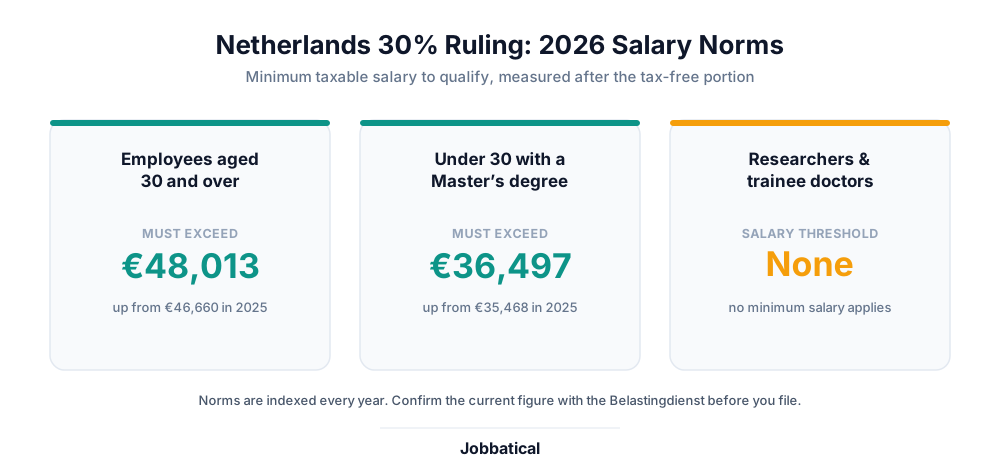
- Gehaltsrichtlinien für 2026: mehr als 48.013 € (ab 30 Jahren) bzw. 36.497 € (unter 30 Jahren mit Master-Abschluss); kein Mindestgehalt für Forscher.
- Beantragen Sie die Leistung innerhalb von vier Monaten nach Beginn, damit sie rückwirkend ab dem ersten Tag gewährt wird; wenn Sie diese Frist versäumen, gehen die ersten Monate verloren.
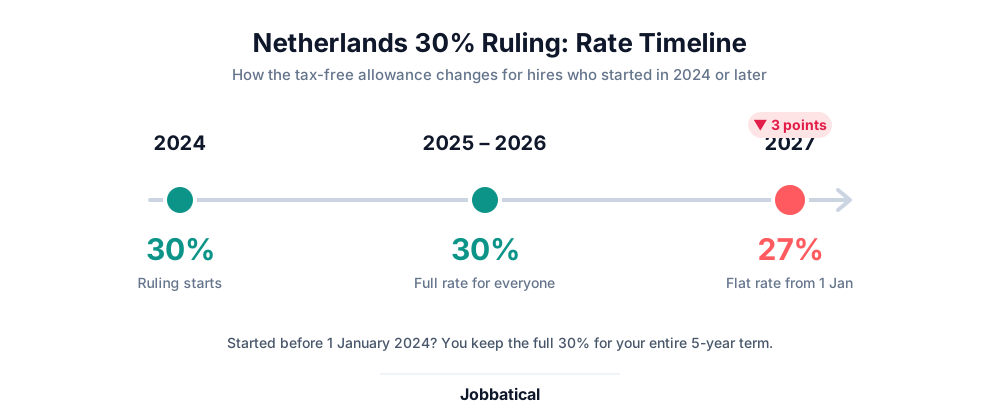
- Ab dem 1. Januar 2027 sinkt der Satz auf pauschal 27 % für alle, die 2024 oder später angefangen haben; für Fälle aus der Lohnabrechnung vor 2024 gilt weiterhin der volle Satz von 30 %.
- Sie sind für die kontinuierliche Einhaltung der Vorschriften verantwortlich: jährliche Überprüfung der Gehaltsnormen, Tätigkeit in den Niederlanden und Aufbewahrung der Unterlagen für fünf Jahre im Hinblick auf eine Prüfung durch den Belastingdienst.
- Jobbatical Experten kümmern sich um den gesamten Prozess für die 30-Prozent-Steuerentscheidung für HSM-Antragsteller.
Leitfaden für Arbeitgeber zur niederländischen 30-Prozent-Regelung
Wenn Sie internationale Fachkräfte in die Niederlande versetzen, ist die 30-Prozent-Regelung (30%-regeling) Ihr größter Trumpf bei der Personalbeschaffung. Sie ermöglicht es berechtigten internationalen Mitarbeitern, einen Teil ihres Bruttogehalts vollständig steuerfrei zu beziehen, wodurch sich ihr Nettoeinkommen deutlich erhöht, ohne dass sich Ihr Lohnbudget erhöht.
Wer jedoch bei den Angaben zur Einhaltung der Vorschriften Fehler macht, muss mit einer sofortigen Überprüfung und einer hohen Nachzahlungsforderung seitens des Belastingdienst (niederländische Steuerbehörde) rechnen.
┈┈┈┈┈┈┈┈┈┈┈┈┈┈┈┈┈┈┈┈┈┈┈┈┈┈┈┈┈┈┈┈┈┈┈┈┈┈┈┈┈┈┈┈┈┈┈
Was die 30-Prozent-Regelung eigentlich ist
Die 30-Prozent-Regelung ist eine niederländische Steuervergünstigung, die vom Belastingdienst (der niederländischen Steuerbehörde) verwaltet wird. Dabei werden bis zu 30 Prozent des Gehalts eines berechtigten Arbeitnehmers als steuerfreier Freibetrag zur Deckung der zusätzlichen Kosten für den Umzug in die Niederlande behandelt. Der Rest wird normal besteuert.
- Steuerfreier Zuschuss: Anstatt einzelne Belege für Umzugskosten zu prüfen, können Arbeitgeber einen festgelegten Prozentsatz des Bruttolohns des Arbeitnehmers für maximal fünf Jahre vollständig steuerfrei auszahlen.
- Visum vs. Steuererleichterung: Die Entscheidung steht zwar in direktem Zusammenhang mit der Aufenthaltsgenehmigung für hochqualifizierte Migranten (Kennismigrant), doch handelt es sich dabei um zwei völlig getrennte Vorgänge. Die Erteilung des Arbeitsvisums garantiert nicht automatisch die Genehmigung der Steuererleichterung.
- Die Satzänderung 2027: Für den Rest des Jahres 2026 bleibt der maximale Steuerfreibetrag pauschal bei 30 %. Ab dem 1. Januar 2027 wird die Regierung den Satz jedoch für die verbleibende Dauer der fünfjährigen Laufzeit des Arbeitnehmers offiziell auf einen festen Satz von 27 % senken.

┈┈┈┈┈┈┈┈┈┈┈┈┈┈┈┈┈┈┈┈┈┈┈┈┈┈┈┈┈┈┈┈┈┈┈┈┈┈┈┈┈┈┈┈┈┈┈
Kriterien für die Berechtigung zur 30-%-Regelung
Um für die niederländische Steuerregelung für Expatriates in Frage zu kommen, müssen Ihr Unternehmen und der Bewerber drei strenge Prüfungen durch den Belastingdienst bestehen:
- Aus dem Ausland eingestellt (die 150-km-Regel): Der Arbeitnehmer muss in mindestens 16 der 24 Monate vor seinem ersten Arbeitstag mehr als 150 Kilometer Luftlinie von der niederländischen Grenze entfernt gewohnt haben. Dadurch scheiden Bewerber aus Belgien, Luxemburg und den nächstgelegenen Teilen Deutschlands automatisch aus.
- Knappes Fachwissen: Der Antragsteller muss über Qualifikationen verfügen, die auf dem lokalen niederländischen Arbeitsmarkt nur schwer zu finden sind. In der Praxis beurteilen die Behörden diese Knappheit ausschließlich danach, ob die Stelle die Anforderungen an das Jahresgehalt erfüllt.
- Die Gehaltsschwellen für 2026: Das steuerpflichtige Gehalt des Arbeitnehmers muss nach Abzug des steuerfreien Freibetrags von 30 % über den offiziellen Mindestbeträgen für das Steuerjahr 2026 liegen.
Unser Leitfaden zu den Gehaltsschwellen für hochqualifizierte Migranten in den Niederlanden für das Jahr 2026 zeigt die „Kennismigrant“-Gehaltsnorm, an die die Berechtigung zur 30-Prozent-Regelung geknüpft ist.
┈┈┈┈┈┈┈┈┈┈┈┈┈┈┈┈┈┈┈┈┈┈┈┈┈┈┈┈┈┈┈┈┈┈┈┈┈┈┈┈┈┈┈┈┈┈┈
Niederlande: 30 %-Regelung für Gehaltsnormen (2026)
Diese Beträge werden jährlich angepasst. Erkundigen Sie sich daher vor der Einreichung Ihres Antrags beim Belastingdienst nach dem aktuellen Betrag.
Bitte beachten Sie, dass es sich hierbei um den Einkommensbetrag gemäß der Entscheidung handelt. Dieser entspricht nicht der Gehaltsschwelle für die „Kennismigrant“-Genehmigung, die höher ist und pro Monat angegeben wird.
🛑 Die Obergrenze für Spitzenverdiener ab 2026: Der steuerfreie Vorteil ist streng auf die Balkenende-Norm von 262.000 € begrenzt. Jeder Teil des Gehalts einer Führungskraft oder eines Arbeitnehmers, der diese Obergrenze überschreitet, kommt nicht in den Genuss der Steuerbefreiung und wird zum Regelsteuersatz besteuert.
┈┈┈┈┈┈┈┈┈┈┈┈┈┈┈┈┈┈┈┈┈┈┈┈┈┈┈┈┈┈┈┈┈┈┈┈┈┈┈┈┈┈┈┈┈┈┈
So bewerben Sie sich: Ablauf und Zeitplan
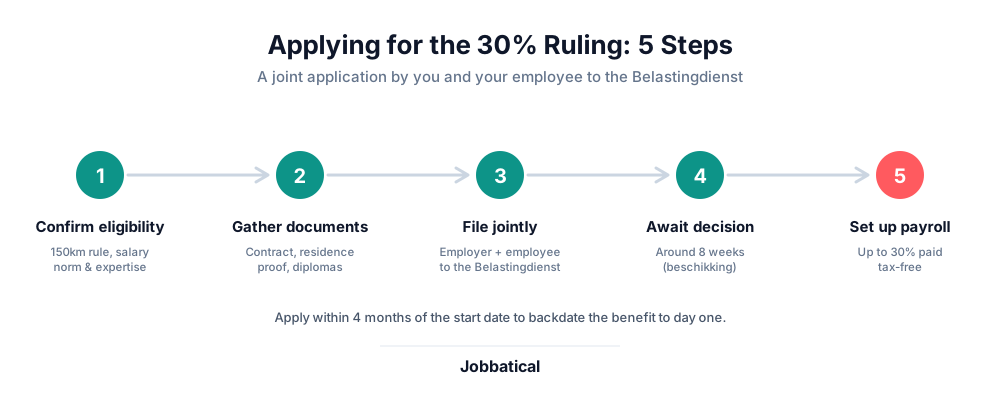
Die Beantragung der 30-Prozent-Regelung erfolgt im Rahmen eines gemeinsamen Antrags, den Sie und Ihr Mitarbeiter unterzeichnen und direkt beim Belastingdienst einreichen müssen.
- Berechtigung prüfen: Bevor Sie die Unterlagen zusammenstellen, überprüfen Sie noch einmal, ob Ihr Kandidat die 150-km-Regel und die Mindestgehälter für 2026 erfüllt.
- Dokumente zusammenstellen: Arbeitsvertrag, Gehaltsaufstellung, Nachweis über einen früheren Auslandsaufenthalt, Reisepass, BSN-Nummer und gegebenenfalls Abschlusszeugnisse. Unsere Checkliste für Kennismigrant-Dokumente ist ein nützlicher Ausgangspunkt für die Formalitäten.
- Reichen Sie den gemeinsamen Antrag ein: Reichen Sie den offiziellen gemeinsamen Antrag bei der Steuerbehörde ein .
- Warten Sie auf die Entscheidung: Über standardmäßige , ordnungsgemäße Anträge wird in der Regel innerhalb von 8 bis 12 Wochen entschieden.
- Einrichtung der Gehaltsabrechnung: Sobald Sie die offizielle schriftliche Genehmigungsbescheinigung (beschikking) erhalten haben, kann Ihr Gehaltsabrechnungsteam das Gehalt aufteilen und bis zu 30 % des Bruttoeinkommens vollständig steuerfrei auszahlen.
Die strenge 4-Monats-Regel: Sie müssen den Antrag innerhalb von 4 Monaten nach dem offiziellen ersten Arbeitstag des Arbeitnehmers einreichen, damit die Regelung rückwirkend ab dem ersten Tag gilt. Wenn Sie diese Frist versäumen, gilt die Steuervergünstigung erst ab dem Monat nach dem Datum Ihrer Antragstellung, wodurch Ihrem Arbeitnehmer die steuerfreie Zulage für diese ersten Monate dauerhaft entgeht.
┈┈┈┈┈┈┈┈┈┈┈┈┈┈┈┈┈┈┈┈┈┈┈┈┈┈┈┈┈┈┈┈┈┈┈┈┈┈┈┈┈┈┈┈┈┈┈
Die tatsächlichen Kosten des 30-Prozent-Urteils
Die Beantragung dieser Steuervergünstigung ist im Vergleich zu dem enormen finanziellen Vorteil, den sie für Ihr Umzugspaket mit sich bringt, äußerst kostengünstig:
- Behördengebühren: 0 €. Der Belastingdienst erhebt keine Antrags- oder Bearbeitungsgebühren.
- Professionelle Unterstützung: Rechnen Sie mit Kosten zwischen 500 € und 2.500 € pro Fall, wenn Sie eine externe Einwanderungsagentur mit der Bearbeitung des Antrags und der Integration in die Lohnabrechnung beauftragen.
- Vorbereitung der Unterlagen: Geringfügige variable Kosten für beglaubigte Übersetzungen, Apostillen oder Beglaubigungen, je nachdem, an welcher Universität Ihr Kandidat studiert hat.
💡 Fazit zum ROI: Da Ihre internationalen Mitarbeiter durch diese Regelung jedes Jahr Tausende Euro an Einkommensteuer sparen, bleibt sie einer der kostengünstigsten und zugleich wirkungsvollsten Anreize für die Einstellung von Mitarbeitern, die es in der niederländischen Tech- und Unternehmensbranche gibt.
Unser Service für Aufenthaltsgenehmigungen für hochqualifizierte Fachkräfte („Kennismigrant“) in den Niederlanden kümmert sich um die einwanderungsrechtlichen Aspekte der Einstellung im Zusammenhang mit der 30-Prozent-Regelung.
┈┈┈┈┈┈┈┈┈┈┈┈┈┈┈┈┈┈┈┈┈┈┈┈┈┈┈┈┈┈┈┈┈┈┈┈┈┈┈┈┈┈┈┈┈┈┈
Laufende Compliance-Verpflichtungen als Arbeitgeber
Die Entscheidung bedeutet nicht, dass man die Angelegenheit „einmal genehmigt und dann vergisst“. Als registrierter niederländischer Arbeitgeber unterliegen Sie langfristigen Compliance-Verpflichtungen, und der Belastingdienst prüft die Lohnunterlagen aktiv.
Die wichtigsten Aufgaben, die Ihr Team bewältigen muss:
- Jährliche Gehaltsüberwachung: Überwachen Sie jedes Jahr im Januar die steuerpflichtigen Löhne. Falls das Gehalt eines Mitarbeiters aufgrund eines Stellenwechsels, einer Teilzeitbeschäftigung oder unbezahlten Urlaubs unter den vorgeschriebenen Schwellenwert fällt, erlischt dessen Steuerbefreiung sofort.
- Überwachung des Arbeitsorts: Die Stelle sollte in erster Linie in den Niederlanden angesiedelt sein. Da die Einrichtung ausdrücklich für Tätigkeiten innerhalb der Niederlande vorgesehen ist, kann übermäßiges Arbeiten im Homeoffice oder grenzüberschreitendes Arbeiten zum Ausschluss des Mitarbeiters führen. Dokumentieren Sie zur Sicherheit die lokalen Arbeitsgewohnheiten.
- 5-jährige Aufbewahrungspflicht: Bewahren Sie alle Anträge, schriftlichen Genehmigungen, Arbeitsverträge und Änderungen der Gehaltsabrechnung mindestens fünf Jahre lang auf. Diese Aufbewahrungspflicht überschneidet sich direkt mit Ihren allgemeineren Pflichten als IND-Sponsor. Dies überschneidet sich mit Ihren allgemeineren Pflichten als Sponsor, die in unserem Leitfaden zum Nachweis der Gehaltszahlung für IND-Sponsoren behandelt werden.
⚠️ Das Prüfungsrisiko: Wenden Sie die Steuervergünstigung niemals blind an. Sollte eine nachträgliche Steuerprüfung ergeben, dass ein Mitarbeiter die ursprüngliche 150-km-Regelung oder die Fachkompetenzprüfung nicht erfüllt hat, werden die Behörden den Bescheid aufheben, sodass Ihr Unternehmen mit erheblichen Steuernachzahlungen und Strafen konfrontiert wird.
┈┈┈┈┈┈┈┈┈┈┈┈┈┈┈┈┈┈┈┈┈┈┈┈┈┈┈┈┈┈┈┈┈┈┈┈┈┈┈┈┈┈┈┈┈┈┈
Die Änderung im Jahr 2027: von 30 % auf einen einheitlichen Satz von 27 %
Das ist der Punkt, der die meisten Verwirrung stiftet, daher sollten wir hier genau sein. Der frühere Stufenplan „30-20-10 %“ wurde verworfen. Ein im Dezember 2024 verabschiedetes und ab Januar 2025 geltendes niederländisches Gesetz sieht stattdessen einen dauerhaften Pauschalsatz vor.
Unsere aktuellen Informationen zur Einwanderungspolitik in den Niederlanden für Arbeitgeber im Jahr 2026 befassen sich mit den allgemeinen steuerlichen und politischen Veränderungen, die sich auf qualifizierte Zuwanderer auswirken.
┈┈┈┈┈┈┈┈┈┈┈┈┈┈┈┈┈┈┈┈┈┈┈┈┈┈┈┈┈┈┈┈┈┈┈┈┈┈┈┈┈┈┈┈┈┈┈
Zwei bevorstehende Veränderungen im Jahr 2027, die es zu berücksichtigen gilt
1. Die Anhebung der Gehaltsschwelle für 2027
Ab dem 1. Januar 2027 werden die Mindestlohnanforderungen zusätzlich zur regulären Inflationsanpassung weiter angehoben. Diese Änderung betrifft im Allgemeinen Arbeitnehmer, die am oder nach dem 1. Januar 2024 in die Regelung eingetreten sind.
- Das Risiko: Ein internationaler Mitarbeiter, dessen Vergütungspaket die derzeitige Schwelle für 2026 gerade noch überschreitet, könnte plötzlich unter die höhere Schwelle für 2027 fallen. Falls er unter diese Schwelle fällt, verliert er die Steuervergünstigung vollständig.
- Maßnahme für die Personalabteilung: Überprüfen Sie Ihre derzeitige Gehaltsabrechnung für im Ausland tätige Mitarbeiter und arbeiten Sie mit einem qualifizierten Steuerberater zusammen, um die genauen Schwellenwertregelungen zu ermitteln, die für Ihre jeweiligen Mitarbeiterkohorten der Jahre 2024–2026 gelten.
2. Die weltweite Steuerklippe
Der „Status als teilweise nicht ansässiger Steuerpflichtiger“, der im Ausland tätige Arbeitnehmer bisher von der Zahlung niederländischer Steuern auf ausländische Spareinlagen und Kapitalanlagen (Box 2 und Box 3) befreite, läuft nun offiziell endgültig aus. Die Übergangsfrist für bestehende Inhaber endet endgültig am 31. Dezember 2026.
- Das Risiko: Ab 2027 wird jeder einzelne Inhaber eines Steuerbescheids als vollwertiger Steueransässiger in den Niederlanden behandelt.
- Maßnahme der Personalabteilung: Weisen Sie Ihre langjährigen internationalen Teammitglieder jetzt auf diese Frist hin. Wer über umfangreiche weltweite Investitionen oder Bankkonten im Ausland verfügt, muss mit einer plötzlichen Steuerpflicht auf sein weltweites Vermögen rechnen – eine frühzeitige Vorwarnung beugt einer schmerzhaften finanziellen Überraschung vor.
┈┈┈┈┈┈┈┈┈┈┈┈┈┈┈┈┈┈┈┈┈┈┈┈┈┈┈┈┈┈┈┈┈┈┈┈┈┈┈┈┈┈┈┈┈┈┈
Wichtige operative Sofortmaßnahmen
- Offizielle Bearbeitungsfristen: Der Belastingdienst benötigt nach Einreichung etwa 8 Wochen für die Bearbeitung von gemeinsamen Anträgen. Berücksichtigen Sie diesen festen Zeitrahmen in Ihrem Onboarding-Plan, anstatt zu spekulieren.
- Die Obergrenze für Hochverdiener: Weisen Sie Ihre Lohnbuchhaltungs- und Finanzteams darauf hin, dass die 30-Prozent-Regelung streng an eine allgemeine Einkommensobergrenze gebunden ist, die sich an der Balkenende-Norm (WNT) für den öffentlichen Dienst orientiert. Vergütungen, die diese Schwelle überschreiten, kommen nicht für die Steuerbefreiung in Frage.
┈┈┈┈┈┈┈┈┈┈┈┈┈┈┈┈┈┈┈┈┈┈┈┈┈┈┈┈┈┈┈┈┈┈┈┈┈┈┈┈┈┈┈┈┈┈┈
Zeitplan für die 30-Prozent-Entscheidungsquote
Was das für Ihr Team bedeutet:
- Wenden Sie den Satz von 27 % ab sofort auf alle Mitarbeiter an, die ab 2024 eingestellt werden.
- Das Nettoeinkommen sinkt ab 2027 leicht, daher sollten Sie dies frühzeitig in Gespräche zur Mitarbeiterbindung einbeziehen und nicht erst bei der Vertragsverlängerung.
┈┈┈┈┈┈┈┈┈┈┈┈┈┈┈┈┈┈┈┈┈┈┈┈┈┈┈┈┈┈┈┈┈┈┈┈┈┈┈┈┈┈┈┈┈┈┈
Wie funktioniert ein EOR im Zusammenhang mit der 30-Prozent-Regelung?
Falls Ihr Unternehmen keine lokale niederländische Niederlassung hat, kann ein „Employer of Record“ (EOR) als offizieller, bei der Lohnbuchhaltung registrierter Arbeitgeber in den Niederlanden einspringen, um die Steuervergünstigung von 30 % für Ihren neuen Mitarbeiter in Anspruch nehmen zu können.
- So funktioniert es: Der EOR kümmert sich um die vorschriftsmäßige Aufteilung der steuerfreien Lohnzahlung und wickelt den Antrag beim Belastingdienst ab, während Sie weiterhin die direkte tägliche Führung des Mitarbeiters übernehmen.
- Die Regeln gelten weiterhin: Der Kandidat muss nach wie vor alle Standardkriterien erfüllen, darunter die 150-km-Entfernungsregel, die Prüfung der spezifischen Fachkenntnisse und die verbindlichen Gehaltsgrenzen für 2026.
⚠️ Der Kontinuitätsfehler:
- Die Steuervergünstigung ist direkt an den Arbeitgeber gebunden, der die Quellensteuer einbehält. Wenn der Arbeitnehmer später vom EOR zu Ihrer eigenen, neu gegründeten niederländischen Gesellschaft oder einem anderen Unternehmen wechselt, kann die Steuervergünstigung leicht ins Stocken geraten oder erlöschen.
- Koordinieren Sie etwaige Unternehmensumwandlungen sorgfältig, um das verbleibende steuerfreie Zeitfenster rechtlich abzusichern und zu übertragen.
Unser Leitfaden zum Arbeitgeberwechsel in den Niederlanden erläutert, wie die Kontinuität der Rechtslage bei einem Wechsel gewährleistet werden kann.
┈┈┈┈┈┈┈┈┈┈┈┈┈┈┈┈┈┈┈┈┈┈┈┈┈┈┈┈┈┈┈┈┈┈┈┈┈┈┈┈┈┈┈┈┈┈┈
Wie lässt sich die 30-Prozent-Steuerregelung strategisch betrachten?
- Ein kostenloser Hebel zur Talentgewinnung: Bei einer Einstellung im Wert von 70.000 € erhöht die Regelung das Nettoeinkommen des Mitarbeiters jährlich um Tausende von Euro, ohne dass Ihrem Unternehmen zusätzliche Kosten entstehen. Im Grunde handelt es sich um einen wirkungsvollen Vorteil bei der Personalbeschaffung, der vollständig durch Steuereinsparungen finanziert wird.
- Reihenfolge der Schritte: Die 30-Prozent-Regelung ist eine Steuervergünstigung, kein Visum. Sichern Sie sich immer zuerst den richtigen zugrunde liegenden Einwanderungsweg, wie beispielsweise die Aufenthaltsgenehmigung für hochqualifizierte Migranten (Kennismigrant) oder die niederländische EU-Blue-Card, bevor Sie den Steuerantrag darauf aufbauen. Einen Überblick über die Gesamtsituation finden Sie in unserer Übersicht zum Umzug in die Niederlande.
┈┈┈┈┈┈┈┈┈┈┈┈┈┈┈┈┈┈┈┈┈┈┈┈┈┈┈┈┈┈┈┈┈┈┈┈┈┈┈┈┈┈┈┈┈┈┈
Mit fachkundiger Unterstützung die 30-Prozent-Regelung gleich beim ersten Mal richtig umsetzen
Die Regelung ist großzügig, doch die Zulassungskriterien, die viermonatige Frist und die laufenden Gehaltsüberprüfungen bieten reichlich Spielraum für kostspielige Fehler. „ Jobbatical “ übernimmt die Zulassungsprüfung, den gemeinsamen Antrag und die Überwachung der Einhaltung der Vorschriften, damit sich Ihr Team ganz auf die Einarbeitung konzentrieren kann.
Haftungsausschluss: Die Einreisebestimmungen ändern sich häufig; bitte informieren Sie sich bei offiziellen Stellen oder kontaktieren Sie uns, um die aktuellsten Informationen zu erhalten, bevor Sie Entscheidungen treffen.
┈┈┈┈┈┈┈┈┈┈┈┈┈┈┈┈┈┈┈┈┈┈┈┈┈┈┈┈┈┈┈┈┈┈┈┈┈┈┈┈┈┈┈┈┈┈┈
Häufig gestellte Fragen: 30-Prozent-Regelung in den Niederlanden
Können wir einen Antrag für einen Mitarbeiter stellen, der bereits seit einiger Zeit bei uns arbeitet?
Nur innerhalb von vier Monaten nach Beginn der Leistung gilt die Regelung rückwirkend ab dem ersten Tag. Danach können Sie den Antrag zwar noch stellen, er wird jedoch erst ab dem Monat nach der Antragstellung wirksam. Die ersten Monate gehen verloren, reichen Sie den Antrag also frühzeitig ein.
Was passiert, wenn die fünf Jahre abgelaufen sind?
Die Gehaltsabrechnung unterliegt wieder der normalen niederländischen Besteuerung des vollen Gehalts, sodass das Nettogehalt spürbar sinkt. Weisen Sie 12 bis 24 Monate im Voraus auf das Auslaufen hin und planen Sie Maßnahmen zur Mitarbeiterbindung, da dies häufig ein Auslöser für Kündigungen ist.
Bleibt die Entscheidung auch nach einer Beförderung oder einer Gehaltserhöhung bestehen?
Ja, solange das Gehalt über dem Jahresdurchschnitt liegt und die Person bei einem berechtigten Arbeitgeber beschäftigt bleibt. Passen Sie den Vertrag und die Gehaltsabrechnung an die neuen Bedingungen an.
Gilt die 30-Prozent-Regelung auch für EU-Bürger?
Ja. Bei der Regelung geht es um einen früheren Wohnsitz im Ausland und die Gehaltsvorgabe, nicht um die Staatsangehörigkeit. Sowohl EU- als auch Nicht-EU-Bürger können die Voraussetzungen erfüllen, sofern sie die 150-km-Regel und die Gehaltsschwelle einhalten.
Ist der Satz von 27 % ein Vorschlag oder bereits geltendes Recht?
Es handelt sich um ein im Dezember 2024 verabschiedetes und ab Januar 2025 geltendes Gesetz. Die bisherige gestaffelte Besteuerung von 30-20-10 % wurde abgeschafft. Der pauschale Steuersatz von 27 % gilt ab 2027 für alle, die die Regelung im Jahr 2024 oder später in Anspruch genommen haben.
Können wir eine EOR nutzen, um die Entscheidung ohne eine niederländische Gesellschaft umzusetzen?
Oftmals ja. Ein EOR fungiert als niederländischer Arbeitgeber, der die Quellensteuer einbehält, und wickelt die Aufteilung der Lohnabrechnung ab; daher kann die Regelung gelten, sofern Ihr Mitarbeiter weiterhin alle Voraussetzungen erfüllt. Bitte prüfen Sie dies von Fall zu Fall, da die Kontinuität bei späteren Arbeitgeberwechseln unterbrochen werden kann.

.svg)
.svg)