


WICHTIGSTE ERKENNTNISSE
- Das 18b-Visum für Deutschland ist der Weg für akademische Fachkräfte mit Hochschulabschluss. Beantragen Sie stattdessen die EU-Blue-Card, wenn das Gehalt die Mindestgrenze überschreitet, da Sie so schneller eine dauerhafte Aufenthaltsgenehmigung erhalten.
- Für das 18b-Visum gibt es keine festgelegte Gehaltsuntergrenze. Das Gehaltsangebot muss dem ortsüblichen Marktniveau entsprechen und die Prüfung durch die Bundesagentur für Arbeit bestehen.
- Die Hürde für über 45-Jährige: Erstbewerber ab 45 Jahren müssen im Jahr 2026 über ein Bruttoeinkommen von 55.770 € pro Jahr verfügen oder eine Altersvorsorge nachweisen.
- Die Anerkennung des Abschlusses über Anabin ist der zeitaufwändigste Schritt (3 bis 6 Monate). Leiten Sie diesen Schritt ein, bevor Sie das Angebot endgültig annehmen.
- Die behördlichen Gebühren sind gering (Visum 75 €, Aufenthaltsgenehmigung 100 €). Die eigentlichen Kosten sind Zeit – planen Sie daher einen Puffer von sechs Wochen ein.
- Jobbatical Das Team kümmert sich um den gesamten Prozess zur Beantragung von Fachkräftevisa für Deutschland.
Was ist das 18b-Visum in Deutschland?
Das 18b-Visum für Deutschland (§ 18b AufenthG) ist das wichtigste Fachkräftevisum des Landes für Hochschulabsolventen. Gemäß § 18b des deutschen Aufenthaltsgesetzes (AufenthG) ermöglicht diese Aufenthaltserlaubnis Hochschulabsolventen aus Nicht-EU-Ländern, in Deutschland zu leben und zu arbeiten. Es handelt sich um den Standardweg für Hochschulabsolventen, deren Gehalt unter der hohen Schwelle liegt, die für eine EU-Blue-Card festgelegt ist. Das 18a-Visum ist der parallele Weg für Arbeitnehmer mit einer beruflichen Ausbildung anstelle eines Hochschulabschlusses.
Voraussetzungen für das 18b-Visum für Deutschland
Um eine Einstellung im Rahmen des 18b-Visums für Deutschland zu fördern, müssen fünf Voraussetzungen erfüllt sein:
- Ein anerkannter Abschluss. Der Hochschulabschluss muss in der Anabin-Datenbank als vergleichbar ausgewiesen sein. Die vollständige Anerkennung gilt nur für reglementierte Berufe.
- Ein qualifiziertes Stellenangebot. Bei der Stelle muss es sich um eine echte Fachkraftstelle handeln. Seit 2024 muss sie nicht mehr dem Studienfach entsprechen.
- Ein marktübliches Gehalt. Die Vergütung muss dem ortsüblichen Gehaltsniveau für die jeweilige Position entsprechen. Dies wird von der Bundesagentur für Arbeit überprüft.
- Die „Über-45“-Regelung. Erstbewerber, die 45 Jahre oder älter sind, müssen im Jahr 2026 über ein Bruttoeinkommen von 55.770 € pro Jahr verfügen oder einen Nachweis über eine Altersvorsorge erbringen.
- Eine Berufszulassung für reglementierte Berufe. In den Bereichen Gesundheitswesen, Rechtswesen, Lehramt und bestimmten Ingenieursberufen ist eine Zulassung erforderlich, bevor die Arbeitserlaubnis erteilt wird.
18b-Visum für Deutschland vs. EU-Blue-Card (2026)
Die Einstellung eines internationalen Bewerbers mit Hochschulabschluss stellt Personalabteilungen vor eine entscheidende Entscheidung hinsichtlich der Einhaltung gesetzlicher Vorschriften: EU-Blue-Card oder § 18b. Diese eine operative Entscheidung bestimmt den Zeitplan für die Einarbeitung, den Verwaltungsaufwand und den Weg des Mitarbeiters zur dauerhaften Aufenthaltsgenehmigung.
Das 18b-Visum gemäß § 18b des Aufenthaltsgesetzes (AufenthG) ist die standardmäßige deutsche Arbeitserlaubnis für Hochschulabsolventen aus Nicht-EU-Ländern.
Die Wahl des falschen Verfahrens ist der kostspieligste Fehler, den die Personalabteilung begehen kann. Ein „Blue Card“-Bewerber, dessen Antrag nach § 18b bearbeitet wird, kann mehr als ein Jahr seiner Wartezeit bis zur Daueraufenthaltsgenehmigung verlieren. Wenn Sie sich unsicher sind, finden Sie in unserem Leitfaden zu den Unterschieden zwischen den deutschen qualifizierten Arbeitserlaubnissen eine detaillierte Übersicht über die einzelnen Verfahren.
Deutschland § 18b vs. EU-Blue-Card: Entscheidungsflussdiagramm für Hochschulabsolventen
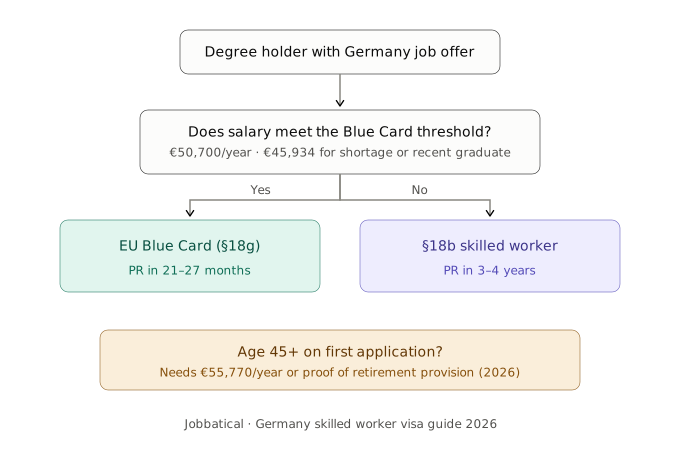
Wann sollte man den akademischen Weg gemäß § 18b anstelle einer Blue Card wählen?
Wenn das Gehalt Ihres neuen Mitarbeiters die Schwellenwerte für die EU-Blue-Card 2026 überschreitet, sollten Sie sich immer für die Blue Card entscheiden. Sie ermöglicht eine schnellere Erlangung einer dauerhaften Aufenthaltsgenehmigung und eine einfachere Familienzusammenführung. Sie sollten jedoch den Visumweg gemäß § 18b wählen, wenn auf Ihren Kandidaten folgende Szenarien zutreffen:
- Gehalt unterhalb der „Blue Card“-Grenze: Das angebotene Bruttogehalt liegt unter den Mindestbeträgen der deutschen „Blue Card“ für das Jahr 2026 (50.700 € für Standardpositionen bzw. 45.934 € für Hochschulabsolventen und Mangelberufe).
- Berufstätigkeit in einem anderen Fachgebiet: Die Aufgaben des Stellenprofils stimmen nicht vollständig mit dem genauen Studienfach des Bewerbers überein. Die aktuellen deutschen Einwanderungsrichtlinien erlauben es Hochschulabsolventen, jede qualifizierte Stelle anzunehmen.
- Anspruch auf eine Aufenthaltserlaubnis: Die örtliche Ausländerbehörde ist gesetzlich verpflichtet, die Aufenthaltserlaubnis zu erteilen, sobald alle Kriterien erfüllt sind, wodurch das Risiko einer Ermessensentscheidung, die zu einer Ablehnung führen könnte, entfällt.
Visa 18b Deutschland – Vorteile für Arbeitgeber
Für Hochschulabsolventen, deren Gehalt unter der Gehaltsschwelle für die Blaue Karte liegt, bietet das 18b-Visum für Deutschland (§ 18b Abs. 1 AufenthG) klare Vorteile für Arbeitgeber:
- Es handelt sich um einen gesetzlichen Anspruch. Sobald die Kriterien erfüllt sind, muss die Ausländerbehörde die Genehmigung erteilen. Eine Ablehnung nach Ermessensspielraum ist nicht möglich.
- Es gibt keine festgelegte Gehaltsuntergrenze. Die Genehmigung passt sich dem Marktniveau an, sodass Sie mehr Stellen besetzen können, als die Blue Card zulässt.
- Keine Übereinstimmung zwischen Abschluss und Beruf. Seit der Reform von 2024 zählt jede qualifizierte Tätigkeit.
- Ein schneller Weg zur Daueraufenthaltsgenehmigung. Die Daueraufenthaltsgenehmigung wird nach drei Jahren mit einem B1-Deutsch-Niveau oder nach zwei Jahren mit einem deutschen Hochschulabschluss erteilt.
- Familienangehörige können mitkommen. Ehepartner erhalten sofort das Recht auf Arbeit.
- Schnellverfahren für Arbeitgeber. Durch das beschleunigte Verfahren lässt sich die Bearbeitungszeit für das Visum auf wenige Wochen verkürzen.
Ein kurzer Hinweis zu den Begriffen: § 18b Abs. 1 bezieht sich auf die hier behandelte allgemeine Aufenthaltserlaubnis für akademische Fachkräfte. Die EU-Blue-Card fällt nun unter § 18g AufenthG und nicht mehr, wie vor 2024, unter § 18b Abs. 2.
Anerkennung deutscher Abschlüsse und die Anabin-Datenbank
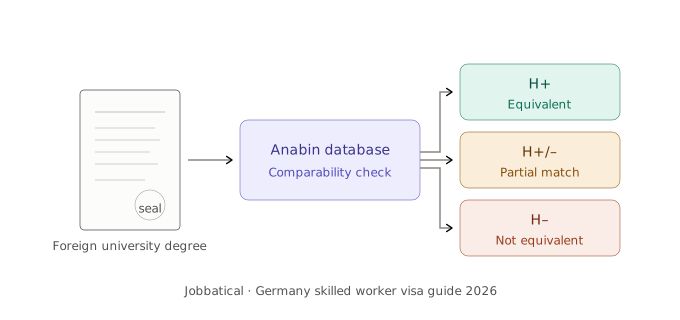
Um sich für den akademischen Weg zu qualifizieren, muss ein Bewerber über einen Hochschulabschluss verfügen, der in Deutschland offiziell anerkannt ist oder über die Online-Datenbank „Anabin“ als vergleichbar bestätigt wurde. Im Gegensatz zum berufsbildenden Visumweg benötigen Inhaber eines akademischen Abschlusses in der Regel lediglich einen positiven Vergleichbarkeitsstatus in „Anabin“ und müssen kein langwieriges, vollständiges formelles Anerkennungsverfahren durchlaufen.
- Reglementierte Berufe: In Bereichen wie dem Gesundheitswesen, dem Bildungswesen, dem Rechtswesen und bestimmten Ingenieursberufen ist nach wie vor eine gesonderte Berufszulassung erforderlich, bevor das Visum ausgestellt werden kann.
- Zeitplan für die Einarbeitung: Die Überprüfung von Hochschulabschlüssen ist oft der zeitaufwändigste Schritt im Prozess der globalen Mobilität. Leiten Sie daher die Anabin-Prüfung ein, bevor Sie das Stellenangebot endgültig unterbreiten. Unser Leitfaden zum deutschen Verfahren der Anerkennung von Qualifikationen gibt einen Überblick über den zeitlichen Ablauf.
Gehaltsvorschriften für das 18b-Visum und die Altersgrenze von 45 Jahren
Im Gegensatz zur EU-Blue-Card sieht das 18b-Visum kein festes gesetzliches Gehalt vor. Stattdessen führt die Bundesagentur für Arbeit eine Arbeitsmarktprüfung durch, um sicherzustellen, dass der Arbeitsvertrag den ortsüblichen Marktbedingungen für die jeweilige Position und Region entspricht.
- Die 45-Jahre-Grenze: Nicht-EU-Fachkräfte im Alter von 45 Jahren oder älter, die ihre erste deutsche Arbeitserlaubnis beantragen, müssen im Jahr 2026 ein Bruttojahresgehalt von mindestens 55.770 € beziehen oder einen amtlichen Nachweis über eine eigenständige, angemessene Altersvorsorge vorlegen. Dieser Betrag entspricht 55 % der gesetzlichen Rentenbeitragsgrenze und wird jedes Jahr im Dezember neu festgelegt. Dies hat direkte Auswirkungen auf Ihre älteren Führungskräfte.
- Tarifverträge: Falls die Stelle unter einen Tarifvertrag fällt, wird das Vergütungspaket von den Einwanderungsbehörden automatisch als konform angesehen, solange es der festgelegten Gehaltsstufe entspricht.
Eine nützliche Ausnahme: Stellen, die unter einen Tarifvertrag fallen, gelten als den Gehaltsstandards entsprechend, wenn die Vergütung den Bestimmungen des Tarifvertrags entspricht. In unserem Leitfaden zu Arbeitsvisa und Tarifverträgen wird erläutert, wie dies im Einzelnen funktioniert.
Das Antragsverfahren für das 18b-Visum, Schritt für Schritt
Das Verfahren zur Beantragung eines 18b-Visums für Deutschland folgt einem klaren Ablauf. Es gilt für Hochschulabsolventen, die sich aus dem Ausland bewerben oder ihren Aufenthaltsstatus innerhalb Deutschlands ändern möchten.
Möchten Sie, dass es schneller geht? Das beschleunigte Fachkräfteverfahren kann den Zeitaufwand von Monaten auf Wochen verkürzen, wenn der Arbeitgeber den Antrag stellt.
Die einzelnen Schritte finden Sie in unserem Leitfaden zum beschleunigten Verfahren.
Zeitplan, Gebühren und Kostenaufschlüsselung
Die behördlichen Gebühren sind gering; die eigentlichen Kosten sind der Zeitaufwand. Die Anerkennung von Abschlüssen und fehlende Unterlagen verursachen die meisten Verzögerungen. Planen Sie daher einen Puffer von mindestens sechs Wochen vor Ihrem angestrebten Starttermin ein.
Deutschland § 18b – Kostenaufschlüsselung (2026)
Standardentscheidungen liegen in der Regel nach etwa 4 Wochen bis 3 Monaten vor. Allein das Anerkennungsverfahren kann 3 bis 6 Monate dauern, weshalb Sie damit zuerst beginnen sollten. Die aktuellen Wartezeiten können Sie mit dem Rechner für Bearbeitungszeiten von Aufenthaltsgenehmigungen in Deutschland unter Jobbatical ermitteln.
Einhaltung der Vorschriften und der Weg zur Daueraufenthaltsgenehmigung
Die Pflichten des Arbeitgebers und der Weg zu einer deutschen Niederlassungserlaubnis sind mit klaren unternehmerischen Verpflichtungen verbunden, auch wenn in Deutschland keine offizielle Sponsorenlizenz erforderlich ist.
- Überprüfung der Qualifikation: Vergewissern Sie sich vor der Unterbreitung eines verbindlichen Stellenangebots anhand der Anabin-Datenbank, dass der Hochschulabschluss des Bewerbers als gleichwertig anerkannt ist.
- Einhaltung der Gehaltsvorschriften: Passen Sie den Arbeitsvertrag an die regionalen marktüblichen Löhne an und stellen Sie sicher, dass er die Mindestgehälter für Arbeitnehmer über 45 Jahre erfüllt.
- Beratungspflicht: Übergeben Sie Nicht-EU-Beschäftigten am ersten Arbeitstag die gemäß § 45c vorgeschriebene schriftliche arbeitsrechtliche Beratungsmitteilung.
- Dokumentation: Führen Sie für jeden Fall einer internationalen Einstellung eine genaue Compliance-Dokumentation.
Die korrekte Umsetzung der Regelung gemäß § 18b AufenthG trägt zur Maximierung der Mitarbeiterbindung bei. Qualifizierte akademische Fachkräfte können nach dreijähriger Beschäftigung mit Sprachkenntnissen auf B1-Niveau eine unbefristete Aufenthaltserlaubnis in Deutschland beantragen – oder bereits nach zwei Jahren, wenn sie einen in Deutschland erworbenen Hochschulabschluss vorweisen können.
Bevor Sie den Vertrag aufsetzen, sollten Sie den Kandidaten kurz überprüfen: Oft entscheidet das von Ihnen angebotene Gehalt darüber, welcher Weg eingeschlagen wird. JobbaticalDie Vorabprüfung für die Einstellung in Deutschland dauert weniger als fünf Minuten und deckt Hindernisse frühzeitig auf, sodass Sie einen Einstellungstermin vereinbaren können, den Sie auch tatsächlich einhalten können.
Haftungsausschluss: Die Einreisebestimmungen ändern sich häufig. Bitte informieren Sie sich bei offiziellen Stellen oder wenden Sie sich an uns, um die aktuellsten Informationen zu erhalten.
Häufig gestellte Fragen: Visum 18b für Deutschland

.svg)


.svg)