.svg)



WICHTIGSTE ERKENNTNISSE
- Das britische Punktesystem (PBS) ist das Einreisekriterium: Es entscheidet für jeden Einreiseweg, wer zum Arbeiten oder Studieren einreisen darf.
- Das „punktbasierte“ System funktioniert auf zwei Arten: Fachkräfte und Studierende nutzen übertragbare Punkte; „Global Talent“, „HPI“ und „Innovator“ qualifizieren sich durch eine Empfehlung oder eine Qualifikation.
- Für gesponserte Einwanderungswege (Fachkräfte, Gesundheits- und Pflegeberufe, globale Geschäftsmobilität, Scale-up) ist eine Sponsorenlizenz erforderlich; für „Global Talent“ und „HPI“ ist dies nicht der Fall.
- 2026 wurden die Anforderungen verschärft: B2-Englisch ab dem 8. Januar, eine Einwanderungsgebühr von bis zu 1.320 £ bzw. 480 £ und eine 10-jährige Aufenthaltsdauer als Mindestvoraussetzung.
- Wählen Sie zunächst die richtige Stelle für den Bewerber aus – eine falsche Wahl kostet Wochen und kann zur Ablehnung der Bewerbung führen.
Ein Überblick über das punktbasierte Einwanderungssystem des Vereinigten Königreichs
Einen Bewerber mit den richtigen Qualifikationen und Gehaltsvorstellungen zu finden, ist nur die halbe Miete. Für Personalabteilungen besteht die eigentliche Herausforderung darin, den richtigen Visumtyp auszuwählen und zu wissen, ob Ihr Unternehmen eine Sponsorenlizenz benötigt, um diesen Bewerber einzustellen.
Das britische punktebasierte Einwanderungssystem (PBS) ist das seit Dezember 2020 geltende Einreisesystem des Vereinigten Königreichs nach dem Brexit. Es hat die Freizügigkeit und das alte Tier-System durch einheitliche Regeln für die Einstellung von Arbeitskräften aus aller Welt ersetzt.
┈┈┈┈┈┈┈┈┈┈┈┈┈┈┈┈┈┈┈┈┈┈┈┈┈┈┈┈┈┈┈┈┈┈┈┈┈┈┈┈┈┈┈┈┈┈┈
Was das Punktesystem eigentlich ist
PBS ist das einheitliche Bewertungssystem, anhand dessen alle Bewerber aus dem Ausland nach strengen operativen Kriterien bewertet werden. Die Punktevergabe erfolgt jedoch je nach Studiengang unterschiedlich. Das System stützt sich auf zwei Hauptmodelle:
- Punktebasiertes Verfahren: Bei Visa wie dem Standard-Visum für Fachkräfte müssen Antragsteller eine bestimmte Punktzahl erreichen, die sich aus einer kombinierten Bewertung ihres Stellenangebots, ihres Qualifikationsniveaus, ihres Gehalts und ihrer Englischkenntnisse ergibt.
- Empfehlung oder Qualifikation: Bei Programmen wie dem „Global Talent“-Visum oder dem „High Potential Individual“ (HPI)-Visum spielen Gehaltsgrenzen oder eine Unternehmenspatenschaft keine Rolle. Stattdessen qualifizieren sich die Bewerber eigenständig auf der Grundlage von Rankings führender Universitäten oder offizieller Empfehlungen aus der Branche.
Wenn man diesen grundlegenden Unterschied berücksichtigt, entfällt das Rätselraten, sodass Ihr Global-Mobility-Team jedes Mal den effizientesten Einstellungsweg wählen kann.
┈┈┈┈┈┈┈┈┈┈┈┈┈┈┈┈┈┈┈┈┈┈┈┈┈┈┈┈┈┈┈┈┈┈┈┈┈┈┈┈┈┈┈┈┈┈┈

┈┈┈┈┈┈┈┈┈┈┈┈┈┈┈┈┈┈┈┈┈┈┈┈┈┈┈┈┈┈┈┈┈┈┈┈┈┈┈┈┈┈┈┈┈┈┈
Wie Punkte darüber entscheiden, wer ein Visum erhält
Bei gesponserten Unternehmensprogrammen ist die Logik ganz einfach. Ihr Kandidat muss eine bestimmte Anzahl von Punkten erreichen, die sich auf zwei Kategorien verteilen:
- Obligatorische Voraussetzungen: Die unverzichtbaren Grundlagen. Dazu gehören ein gültiges Stellenangebot Ihres Unternehmens, eine Position auf dem erforderlichen Qualifikationsniveau sowie die Erfüllung der Mindestanforderungen an die Englischkenntnisse.
- Einlösbare Punkte: Die flexiblen Optionen. Die meisten Bewerber erfüllen diese Voraussetzung durch ihr Gehaltsniveau, aber Sie können auch Alternativen wie einen einschlägigen Doktortitel oder eine Tätigkeit in einem Beruf nutzen, der auf der Liste der Mangelberufe der Regierung steht.
Um ein Visum für Fachkräfte zu erhalten, muss ein Antragsteller insgesamt 70 Punkte erreichen (50 Pflichtpunkte und 20 frei wählbare Punkte). In unserem Leitfaden zur Funktionsweise des britischen Punktesystems für Fachkräfte erläutern wir jeden einzelnen Punkt im Detail.
Beachten Sie, dass Ihr Unternehmen für die meisten Beschäftigungswege über eine gültige Sponsorenlizenz verfügen muss, bevor Sie eine Sponsorenbescheinigung (Certificate of Sponsorship, CoS) ausstellen können . Die Wahl eines Weges, der die Unternehmenssponsorschaft vollständig umgeht, hat jedoch erhebliche Auswirkungen auf Ihren Zeitplan, Ihre Kosten und Ihren Verwaltungsaufwand.
┈┈┈┈┈┈┈┈┈┈┈┈┈┈┈┈┈┈┈┈┈┈┈┈┈┈┈┈┈┈┈┈┈┈┈┈┈┈┈┈┈┈┈┈┈┈┈
Die britischen Punktebasierten Einwanderungswege im Überblick (2026)
┈┈┈┈┈┈┈┈┈┈┈┈┈┈┈┈┈┈┈┈┈┈┈┈┈┈┈┈┈┈┈┈┈┈┈┈┈┈┈┈┈┈┈┈┈┈┈
Brauchen Sie eigentlich eine Sponsorenlizenz?
Diese Entscheidung bestimmt Ihren gesamten internationalen Einstellungsprozess:
- Gesponserte Aufenthaltsgenehmigungen: Bei Visa im Rahmen der Programme „Skilled Worker“, „Health and Care Worker“ oder „Global Business Mobility“ muss Ihr Unternehmen als direkter Sponsor auftreten. Sie müssen über eine gültigeSponsorenlizenz für Unternehmen verfügen, eine Sponsorenbescheinigung ausstellen und die laufenden Meldepflichten erfüllen.
- Programme ohne Arbeitgeberbeteiligung: Visa wie das „Global Talent“-Programm, das „High Potential Individual“ (HPI)-Programm oder das „Innovator Founder“-Programm kommen vollständig ohne Mitwirkung des Arbeitgebers aus. Sie erfordern weder eine Unternehmenslizenz noch ein formelles Stellenangebot im Vorfeld und verursachen für Ihr Team keinerlei Aufwands für die Einhaltung von Vorschriften.
Der Projektpuffer: Die Bearbeitung eines Standardantrags auf eine Sponsorenlizenz dauert etwa 8 Wochen. Gegen Zahlung einer optionalen Eilgebühr lässt sich der Vorgang jedoch auf 10 Arbeitstage verkürzen. Wenn Sie vorhaben, auch nur zwei internationale Bewerber pro Jahr einzustellen, lohnt sich die Investition in eine Lizenz auf jeden Fall. Reichen Sie den Antrag einfach rechtzeitig vor dem geplanten Einstiegstermin Ihres Bewerbers ein, um Verzögerungen bei der Einarbeitung zu vermeiden.
┈┈┈┈┈┈┈┈┈┈┈┈┈┈┈┈┈┈┈┈┈┈┈┈┈┈┈┈┈┈┈┈┈┈┈┈┈┈┈┈┈┈┈┈┈┈┈
Fördermittel und Kostensignale nach Route

┈┈┈┈┈┈┈┈┈┈┈┈┈┈┈┈┈┈┈┈┈┈┈┈┈┈┈┈┈┈┈┈┈┈┈┈┈┈┈┈┈┈┈┈┈┈┈
Welchen Visumantrag sollten Sie stellen?
Um den richtigen Karriereweg auszuwählen, stellen Sie sich zwei Fragen: Was ist die konkrete berufliche Position? Und möchten Sie die Person dabei unterstützen?
- Standard-Berufsgruppen: Das Visum für Fachkräfte ist die Standardwahl. Es deckt die meisten Stellen auf Hochschulniveau ab und bietet einen klaren Weg zur dauerhaften Niederlassung.
- Gesundheits- und Sozialwesen: Beantragen Sie das Visum für Fachkräfte im Gesundheits- und Sozialwesen. Bitte beachten Sie, dass neue Sponsoring-Anträge aus dem Ausland auf Berufe mit Hochschulabschluss (RQF-Stufe 6) oder bestimmte Berufe auf der Liste der Mangelberufe beschränkt sind.
- Interne Versetzungen: Der „Global Business Mobility“-Pfad wurde speziell für die Versetzung bestehender Mitarbeiter von einer internationalen Niederlassung in die britische Niederlassung konzipiert.
- Einstellung ohne Sponsoring: Für die Visa-Kategorien „Global Talent“ und „High Potential Individual“ (HPI) sind weder eine Unternehmenslizenz noch ein vorläufiges Stellenangebot erforderlich.
Der Kompromiss zwischen Kontrolle und Geschwindigkeit: Nicht gesponserte Wege sind schnell, aber dafür geben Sie die Kontrolle über die Mitarbeiterbindung auf. Ein im Rahmen des „Global Talent“-Programms eingestellter Mitarbeiter kann bereits am ersten Tag zu einem Wettbewerber wechseln, während ein Facharbeiter rechtlich an die Förderung durch Ihr Unternehmen gebunden bleibt.
Sie sind sich nicht sicher, welches Rahmenprogramm zu Ihrem Bewerber passt? Nutzen Sie unseren schnellen Eignungstest vor der Einstellung, um Ihren nächsten Mitarbeiter in wenigen Minuten auf den richtigen Weg zu bringen.
┈┈┈┈┈┈┈┈┈┈┈┈┈┈┈┈┈┈┈┈┈┈┈┈┈┈┈┈┈┈┈┈┈┈┈┈┈┈┈┈┈┈┈┈┈┈┈
Die Nachwuchspipeline, die die meisten Arbeitgeber übersehen
Einige Ihrer besten internationalen Bewerber befinden sich bereits in Großbritannien. Wenn Sie jemanden einstellen, der von einem Studenten- oder Absolventenvisum wechselt, können Sie den ermäßigten Einstiegslohnsatz (33.400 £) in Anspruch nehmen, wodurch die Kosten für die Arbeitserlaubnis erheblich geringer ausfallen.
Der operative Haken:
- Strenge Fristen: Sie müssen den Antrag für Fachkräfte einreichen, bevor das derzeitige Studentenvisum abläuft.
- Arbeitsbeschränkungen: Ein Studierender darf erst dann eine Vollzeitstelle in einem Unternehmen antreten, wenn sein Antrag auf Visumsumwandlung offiziell beim Innenministerium eingereicht wurde.
Lesen Sie unseren Leitfaden zum Visumwechsel in Großbritannien, um zu erfahren, wie die Bestimmungen in Abschnitt 3C den Aufenthaltsstatus und das Arbeitsrecht Ihres Bewerbers während der Bearbeitung seines Antrags rechtlich absichern.
┈┈┈┈┈┈┈┈┈┈┈┈┈┈┈┈┈┈┈┈┈┈┈┈┈┈┈┈┈┈┈┈┈┈┈┈┈┈┈┈┈┈┈┈┈┈┈
Was sich im Jahr 2026 geändert hat
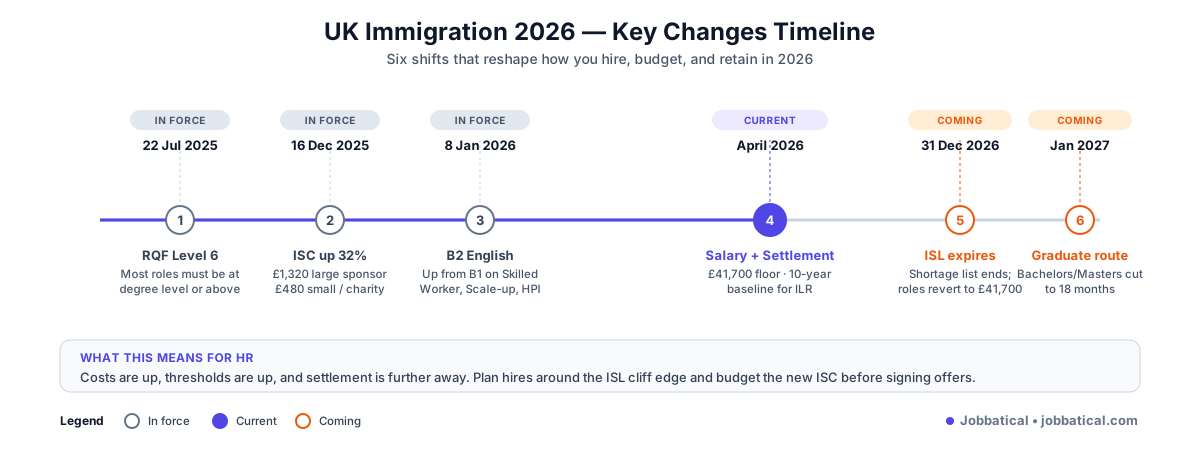
Die Einwanderungsbestimmungen im Vereinigten Königreich wurden auf breiter Front verschärft. Zu den wichtigsten operativen Änderungen, die sich auf die Einstellungsbudgets Ihres Unternehmens und die Zeitpläne für die Einarbeitung neuer Mitarbeiter auswirken, gehören:
- Höhere Anforderungen an die Englischkenntnisse: Antragsteller in den Kategorien „Skilled Worker“, „Scale-up“ und „HPI“ müssen nun Englischkenntnisse auf dem Niveau „Upper-Intermediate“ ( B2) nachweisen (bisher B1).
- Gestiegene Kosten für Sponsoren: Die „Immigration Skills Charge“ (ISC) wurde für große Unternehmen auf 1.320 £ pro Jahr und für kleine Unternehmen oder gemeinnützige Organisationen auf 480 £ pro Jahr angehoben.
- Anhebung der Gehaltsuntergrenzen: Die Gehaltsuntergrenze für ein Standardvisum für Fachkräfte liegt nun bei 41.700 £ oder dem für den jeweiligen Berufscode geltenden Marktgehalt – je nachdem, welcher Wert höher ist.
- Strenge Mindestanforderungen an die Qualifikation: Für die meisten von Unternehmen geförderten Stellen muss das RQF-Niveau 6 (entspricht einem Bachelor-Abschluss) erfüllt sein.
- Schrumpfende Mangelberufe-Listen: Die „Immigration Salary List“ (ISL) läuft am 31. Dezember 2026 vollständig aus, wodurch Ihre zukünftigen Möglichkeiten für Gehaltsnachlässe eingeschränkt werden.
- Verlängerte Fristen für den Aufenthaltsstatus: Im Rahmen des neuen „Earned Settlement“-Modells des Vereinigten Königreichs verlängert sich der Standardweg zur unbefristeten Aufenthaltsgenehmigung (ILR) für die meisten Arbeitnehmer von fünf auf zehn Jahre.
Einreise vs. Niederlassung: Beachten Sie, dass die ursprünglichen Einreisebestimmungen und die neuen Kriterien für eine dauerhafte Niederlassung zwei verschiedene Dinge sind. Es ist wichtig, die Regeln für beide Bereiche zu verstehen, um Ihre internationalen Fachkräfte heute nach Großbritannien zu holen.
Die Berechtigung zur dauerhaften Niederlassung ist eine separate rechtliche Prüfung, die erst Jahre später erfolgt und in unserem Update zur „Earned Settlement“ behandelt wird.
┈┈┈┈┈┈┈┈┈┈┈┈┈┈┈┈┈┈┈┈┈┈┈┈┈┈┈┈┈┈┈┈┈┈┈┈┈┈┈┈┈┈┈┈┈┈┈
Strecken, die nicht unter das Punktesystem fallen
Nicht alle Einreisewege für das Vereinigte Königreich basieren auf einem Punktesystem. Das „Join Ship“-Visum für Seeleute, das „Youth Mobility Scheme“ und die regulären Besuchervisa fallen alle nicht unter das PBS und erfordern weder eine Genehmigung noch eine Punkteprüfung. Wenn eine Stelle unter eine dieser Kategorien fällt, entfällt das gesamte Sponsoring-Verfahren vollständig.
Einen offiziellen Überblick finden Sie im Arbeitgeberleitfaden zum punktebasierten System auf GOV.UK sowie auf den Seiten zum „Skilled Worker“-Visum.
┈┈┈┈┈┈┈┈┈┈┈┈┈┈┈┈┈┈┈┈┈┈┈┈┈┈┈┈┈┈┈┈┈┈┈┈┈┈┈┈┈┈┈┈┈┈┈
Wählen Sie für Ihren nächsten neuen Mitarbeiter den passenden Karriereweg
Die Wahl des falschen Verfahrens kostet Wochen und führt manchmal sogar zur Ablehnung des Antrags und zum Verlust eines Mitarbeiters. Das Jobbatical-Team ordnet jeden Kandidaten dem richtigen punktebasierten Verfahren zu, überprüft die Anforderungen an Qualifikationen und Gehalt und wickelt das Sponsoring von Anfang bis Ende ab.
Haftungsausschluss: Die Einreisebestimmungen ändern sich häufig; bitte informieren Sie sich bei offiziellen Stellen oder kontaktieren Sie uns, um die aktuellsten Informationen zu erhalten, bevor Sie Entscheidungen treffen.
┈┈┈┈┈┈┈┈┈┈┈┈┈┈┈┈┈┈┈┈┈┈┈┈┈┈┈┈┈┈┈┈┈┈┈┈┈┈┈┈┈┈┈┈┈┈┈
Häufig gestellte Fragen: Das punktebasierte Einwanderungssystem des Vereinigten Königreichs

.svg)
.svg)